








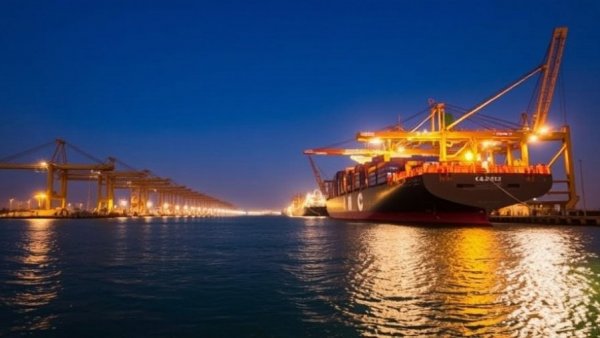
Understanding Shipping Disruptions: The Current Suez Canal Landscape
The reopening of the Suez Canal might appear to herald a return to normalcy in global shipping, but industry experts from DHL Global Forwarding caution against such optimism. With major logistics players grappling with enduring port congestion and the intricacies of adjusting shipping networks, relief may remain elusive until at least 2027.
Why Timely Shipping Still Faces Challenges
As the world's shipping lanes strive for normal operations, DHL estimates that over 10% of the global container fleet — about 3.6 million TEU — is still tied up in various stages of congestion. Despite the return of container ships to the Suez Canal, many ports still face significant backlogs. For context, this has drawn parallels to historical shipping disruptions where returning to regular routes took much longer than anticipated.
The Complex Path Ahead for Carriers and Cargo Owners
The challenge for carriers isn't solely a matter of getting vessels back through the canal, it's about the adjustments that need to be made. Carriers like Maersk and Hapag-Lloyd are beginning to reorganize their services, transitioning from the longer routes around the Cape of Good Hope back to the Suez. However, this change is far from straightforward. As Bjoern Schoon from DHL emphasizes, "Carriers must reposition ships, rebalance schedules, and manage services operating across different routings." These logistic puzzles create a landscape rife with unpredictability for manufacturers relying on timely shipments.
Economy in Flux: A Look at Future Trends
With the growth of the container fleet projected at about 4% this year, paired with a 5% increase in global demand, uncertainty looms large. Data suggests that more than 6.4 million TEU has been ordered in the current year alone. These statistics raise concerns regarding balance; with many manufacturers counting on stability, excessive capacity could lead to fluctuating freight rates. DHL suggests that although some Asia-Europe routes are seeing a decline in rates, others, particularly in the Middle East due to strong demand, remain inflated, further complicating cost structures for manufacturers.
Schedule Reliability: The Make or Break Factor
One consistent theme throughout DHL’s latest assessment is schedule reliability. Even as more vessels enter the system due to changes in routing, the complexity of managing these schedules means that manufacturers may still face delays. With past examples of shipping schedules being upended, manufacturers should prepare for the possibility of continued disruptions. As we approach 2027, the hope remains that congestion will ease, allowing for greater reliability in shipping schedules.
The Path Ahead: Actions for Manufacturers
Manufacturers must remain proactive during this transitional period. They should engage with logistics providers to stay updated on shipping timelines and potential changes. Moreover, understanding the evolving landscape of tariffs and trade will be critical as these elements directly affect cost structures in an increasingly complex global market. Companies can benefit from diversifying their supply chains to mitigate risks stemming from ongoing disruptions.
Conclusion: Navigating a Challenging Shipping Landscape
In summary, while the reopening of the Suez Canal marks a step towards normalcy, the journey towards consistent and reliable shipping is far from complete. For manufacturers, staying informed and adapting to the continually shifting shipping dynamics will be essential to navigate this challenging landscape successfully and thrive in the future.








Write A Comment