 Add Row
  Add
Add 









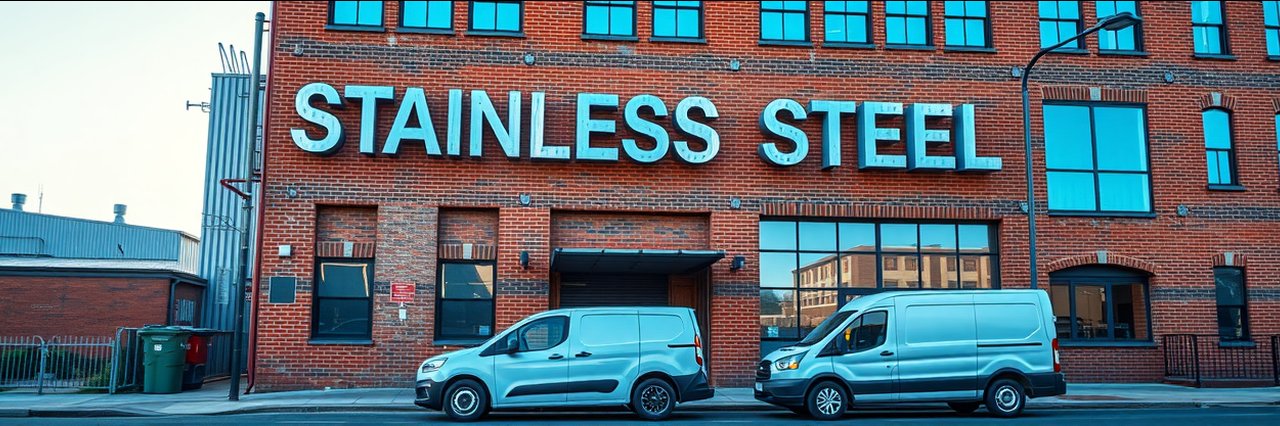
The Race for Higher Solar Output: Why PV Ribbon Manufacturing Matters Now
Around the globe, renewable energy is outpacing traditional power generation, a transformation driven largely by advancements in solar technologies. For anyone watching the rise of solar capacity, one detail is often overlooked: the efficiency of the solar cell’s discrete components, especially the PV ribbon. So, what if a hidden hero in the quest for a cleaner planet isn’t the panel itself, but the tiny lengths of flat wire that connect solar cells? The reality is, PV ribbon manufacturing plays a critical yet under-discussed role in whether a solar installation delivers on its promise of affordable, scalable energy.
PV ribbon—the conductor that interconnects and transmits current inside solar modules—directly influences the efficiency, performance, and durability of every installed system. While discussions often spotlight breakthroughs in panel design or new energy storage, PV ribbon is quietly shaping the future of solar power from within. Understanding the intricacies of PV ribbon manufacturing opens the door to reliable energy solutions, lower costs, and accelerated adoption of clean electricity worldwide. As the world commits to decarbonization, it is essential to grasp how and why innovations in manufacturing PV ribbon can unlock previously unreachable levels of solar performance.
Beyond the Panel: How PV Ribbon Manufacturing Drives Solar Advancements
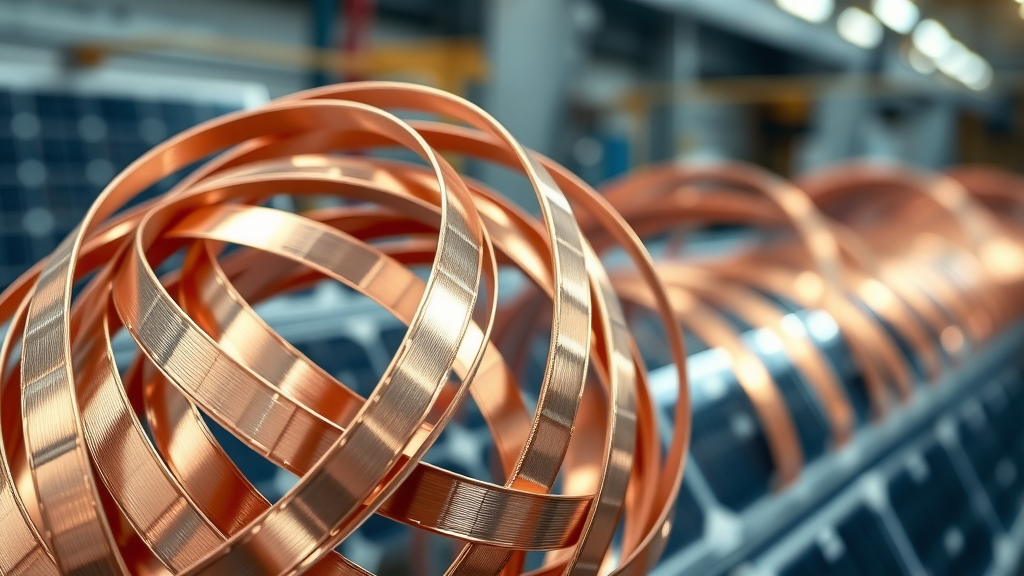
PV ribbon manufacturing is the specialized process of creating highly conductive, precision-engineered flat wires—usually crafted from copper and expertly coated—used to interconnect and carry current among solar cells within a module. Serving as the electrical backbone, these ribbons must balance flexibility, conductivity, and compatibility with a variety of photovoltaic technologies, including both crystalline and thin-film modules. Properly manufactured PV ribbons are not only vital for the transport of energy, but also for withstanding environmental stressors and thermal cycles encountered during the lifetime of a solar panel.
Neglecting the importance of quality PV ribbon can undermine an entire solar array. Poorly produced ribbons can cause electrical loss, soldering failures, or accelerated degradation—risks that are sometimes only realized after years of operation. In an energy landscape driven by reliability and return on investment, manufacturers who overlook the science and precision in PV ribbon production may inadvertently compromise efficiency and the expected lifespan of major energy installations. It’s clear: understanding—and prioritizing—PV ribbon manufacturing is a non-negotiable for any stakeholder demanding maximum performance and long-term solar value.
Why Precision PV Ribbon Manufacturing Is the Key to Unlocking Greater Solar Efficiency
As leading experts in precision metals, Ulbrich Specialty Strip Mill has advanced the field of PV ribbon manufacturing, demonstrating the impact of exacting tolerances and custom-engineered profiles on energy output. By specializing in tinned precision copper flat wire designed specifically for solar cell tabbing and string interconnect, this approach guarantees that each piece of PV ribbon provides optimal conductivity and maximum compatibility with state-of-the-art photovoltaic technologies. When every millimeter of metallic conductor is manufactured to the highest mechanical and chemical specifications, the result is not just high-performing solar modules, but a standard for efficiency that reverberates across the solar industry.
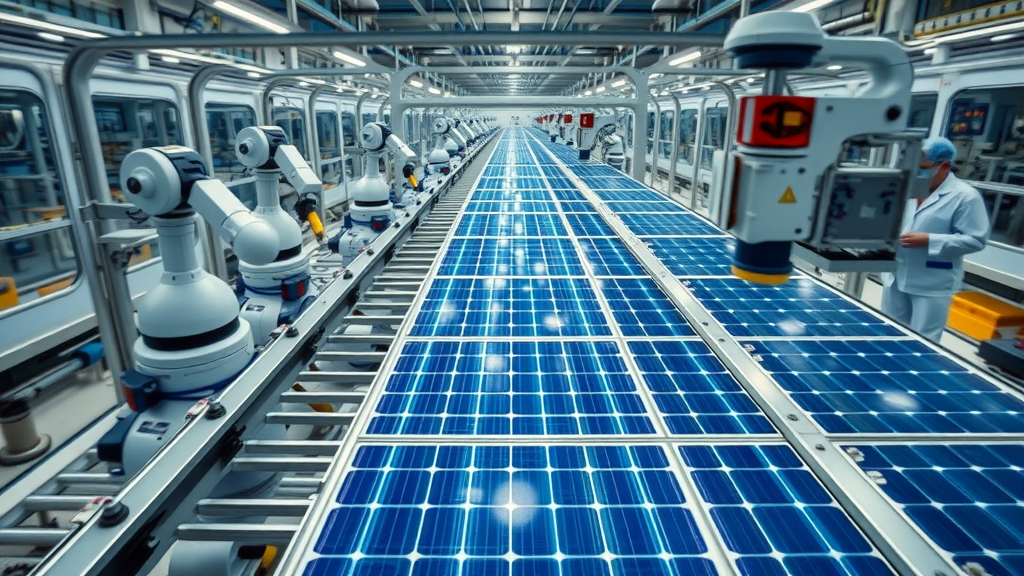
The true benefits of quality PV ribbon manufacturing emerge in real-world scenarios: higher module efficiency, reduced energy loss, and greater module longevity. A PV ribbon tailored to specific applications—whether standard or fully custom—supports robust panel design, making large-scale solar projects more viable and cost-effective over time. Moreover, by using top-grade copper alloys and sophisticated coating and plating, these ribbons handle extreme environmental conditions without faltering, acting as guardians of energy integrity throughout the system’s life. The focus on PV ribbon manufacturing exemplifies a commitment to reliability and precision—qualities that become increasingly valuable as solar technology expands into new markets and more demanding environments.
The Evolution of Solar Connectivity: From Raw Material to Power-Enhancing Ribbon
The journey of PV ribbon begins with world-class raw materials and follows a path through a set of tightly controlled production steps, such as precision rolling, annealing, coating, and slitting. Modern PV ribbon manufacturing thrives on continuous innovation in both materials and processes, as exemplified by the ability to deliver custom profiles and edges that match the demanding requirements of today’s fast-evolving solar sector. Using copper as a base—then refining it into flat wire profiles with specific mechanical properties—producers can ensure that each ribbon is matched not just to current solar design standards, but also to future improvements in cell architecture and assembly speeds.
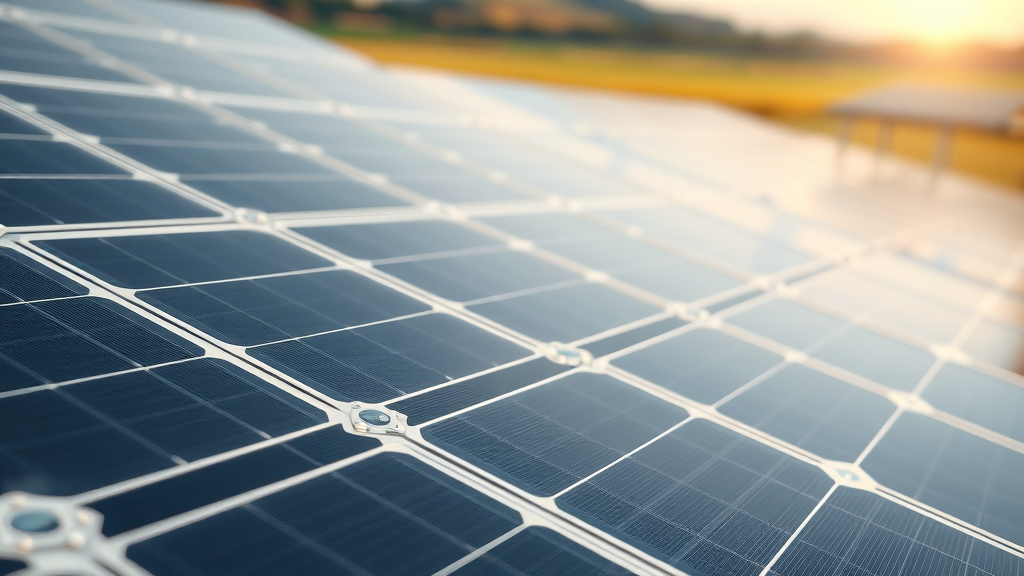
Advancements in precision rolling and surface finishing allow manufacturers to deliver PV ribbons that optimize module current flow and heat management. This leads to better-performing solar panels, higher production yields for panel manufacturers, and ultimately, more electricity fed into the grid per square foot of installed solar capacity. The story of PV ribbon manufacturing is thus one of constant adaptation: with each new generation of solar technology, ribbon producers step up to deliver specialized solutions that keep solar affordable, robust, and versatile enough to power everything from rooftop installations to vast utility-scale farms.
How Advanced Materials Science Fuels the Next Generation of Solar Innovation
Cutting-edge PV ribbon manufacturing is rooted in advanced materials science, blending metallurgy, testing, and custom alloy development to deliver products with exceptional physical and electrical characteristics. Selecting the right copper alloy, determining the ideal thickness, optimizing the tin coating thickness, and controlling edge geometries all require deep technical expertise. The capacity to provide over a hundred alloys, each precisely engineered for its end use, underscores the level of technical rigor involved in making top-performing PV ribbon. This scientific rigor is not just academic—it means greater energy capture in the field, improved module reliability, and the confidence to invest in solar as an energy backbone.
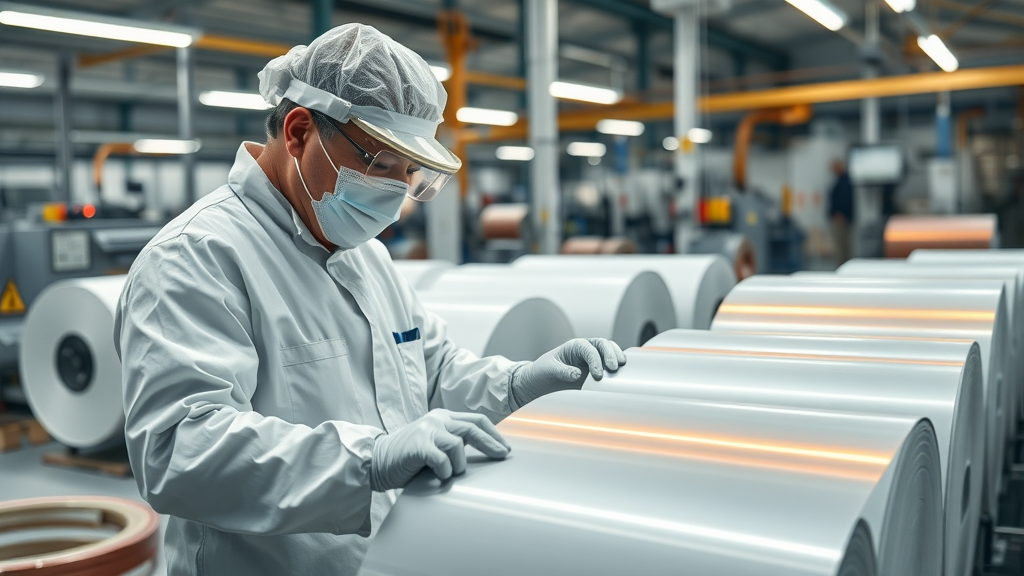
In the pursuit of peak efficiency, manufacturers are pushing boundaries by testing new material combinations and ribbon geometries that further mitigate resistive losses and enable greater layout flexibility. The ability to adapt to the changing demands of solar cell designers—whether that requires developing new tinning techniques or enhancing tensile strength for automated assembly—drives continual improvements throughout the industry. This relentless attention to scientific detail is the engine behind today’s most effective solar modules, ensuring that equally sophisticated PV ribbon solutions match every advancement in panel efficiency.
Sustainable Manufacturing and Strategic Partnerships in the Solar Supply Chain
Sustainability and robust supply chain management have become cornerstones of modern PV ribbon manufacturing, ensuring consistent quality and delivery even as global demand for solar products surges. The best manufacturers do more than produce metal—they offer development partnerships and supply chain solutions that mitigate risk, manage inventory, and guarantee timely delivery of critical materials. For solar original equipment manufacturers (OEMs), this means fewer disruptions, predictable costs, and smoother scale-up as projects transition from prototype to full-scale deployment.
Moreover, the commitment to stringent quality standards, traceability, and ongoing technical support provides customers with confidence that every ribbon will perform under even the most challenging conditions. As new markets for solar power open up around the world, having a manufacturing partner skilled in both metals fabrication and supply chain optimization is critical to minimizing downtime and maximizing project success. This holistic approach sets a new benchmark for excellence in the solar sector, where performance, reliability, and long-term value are paramount.
Ulbrich Specialty Strip Mill’s Approach: Precision, Partnership, and Innovation
Ulbrich Specialty Strip Mill operates with the core philosophy that “We Deliver Precision®,” viewing every PV ribbon order as an opportunity to craft a product precisely matched to the customer's unique requirements. The company's expertise in stainless steel, copper, and advanced alloys allows it to offer a customizable solution for virtually any solar application, enhancing module performance through meticulous attention to thickness, surface finish, and alloy selection. Their approach extends far beyond manufacturing excellence—Ulbrich works in partnership with clients, integrating development partnerships and metallurgy insights into every engagement for a seamless, end-to-end material solution.
Innovation is a hallmark at Ulbrich. With a legacy spanning nearly a century and deep roots in delivering custom-engineered metals for industries as varied as medical, aerospace, and energy, their commitment to solar is amplified by a focus on high-efficiency, fully customized PV ribbon products. This commitment is underscored by ongoing investments in state-of-the-art production facilities, extensive quality testing, and a culture that values technical rigor as the foundation of every project. Through these pillars of precision, partnership, and sustained innovation, Ulbrich’s contributions continue to shape the standards of PV ribbon manufacturing and, ultimately, the future of solar energy.
Reimagining Tomorrow’s Solar Success with PV Ribbon Manufacturing Excellence
The path to stronger, more efficient solar energy systems runs through the heart of PV ribbon manufacturing. As advancements in materials science, engineering, and supply chain management converge in this field, the role of high-quality PV ribbon becomes ever more critical—transforming what might seem a small component into a catalyst for global energy progress. Ulbrich Specialty Strip Mill stands at the forefront, not simply as a supplier, but as a standard-bearer in pushing the boundaries of what is possible in solar connectivity. Ultimately, investing in better PV ribbon manufacturing pays dividends everywhere solar is deployed, driving greater value from every ray of sunlight captured and converted to power.
For anyone charting the course for the next generation of energy solutions, focusing on the science and precision of PV ribbon manufacturing is an indispensable step. It’s here that the details matter most—and where the future of solar efficiency is being quietly, steadily, and relentlessly improved.
Contact the Experts at Ulbrich Specialty Strip Mill
If you’d like to learn more about how PV ribbon manufacturing could benefit your solar project or energy solutions, contact the team at Ulbrich Specialty Strip Mill. 📍 Address: 1 Dudley Ave, Wallingford, CT 06492, USA 📞 Phone: +1 203-269-2507 🌐 Website: https://www.ulbrich.com/
Ulbrich Specialty Strip Mill Location and Availability
🕒 Hours of Operation:📅 Monday: 7:00 AM – 4:00 PM📅 Tuesday: 7:00 AM – 4:00 PM📅 Wednesday: 7:00 AM – 4:00 PM📅 Thursday: 7:00 AM – 4:00 PM📅 Friday: 7:00 AM – 4:00 PM📅 Saturday: ❌ Closed📅 Sunday: ❌ Closed



Write A Comment