







Add Row
Add Element
Global Trade News
update
Global Trade News
update
Add Element
SCHEDULE YOUR INTERVIEW 
  • Home
  • Categories
    • Policy Pulse
    • Compliance Corner
    • Market Movers
    • Trade Trends
    • Export Essentials
    • Import Insights
    • Regulatory Roundup
    • Global Trade News Blog
    • More Spotlights
    • More Videos
  • update
  • update
  • update
  • update
  • update
  • update
  • update
3 Minutes Read

Trade Tariffs and Global Challenges: How One Business Survives


Trade Tariffs


Trade Tariffs and Global Challenges

Imagine a world where making a simple product means crossing oceans, navigating complex rules, and dealing with international politics. This is the reality for businesses like Cosmic Cowboy Trading, LLC , Peter  been riding the waves of global trade for decades. When President Trump launched his trade tariffs with China, many business owners felt like they were on a roller coaster. Peter Bort its owner, has been in the import-export business since 2002, saw firsthand how these changes shook up international trade.

The Big Problem: 

China is known as the “World’s Factory” — and for good reason. As of recent years, China is responsible for producing nearly 30% of the world’s manufacturing output, making it the largest manufacturing nation on the planet. That’s more than the U.S., Germany, and Japan combined in many categories! Trade tariffs may backfire.

Making Things Cost Money: Most Americans don't realize how hard it is to make products cheaply in the United States. Factory workers here want higher wages, which makes products expensive. China, on the other hand, can produce goods at much lower costs. Peter explains, "We can't get people in this country working for those prices.
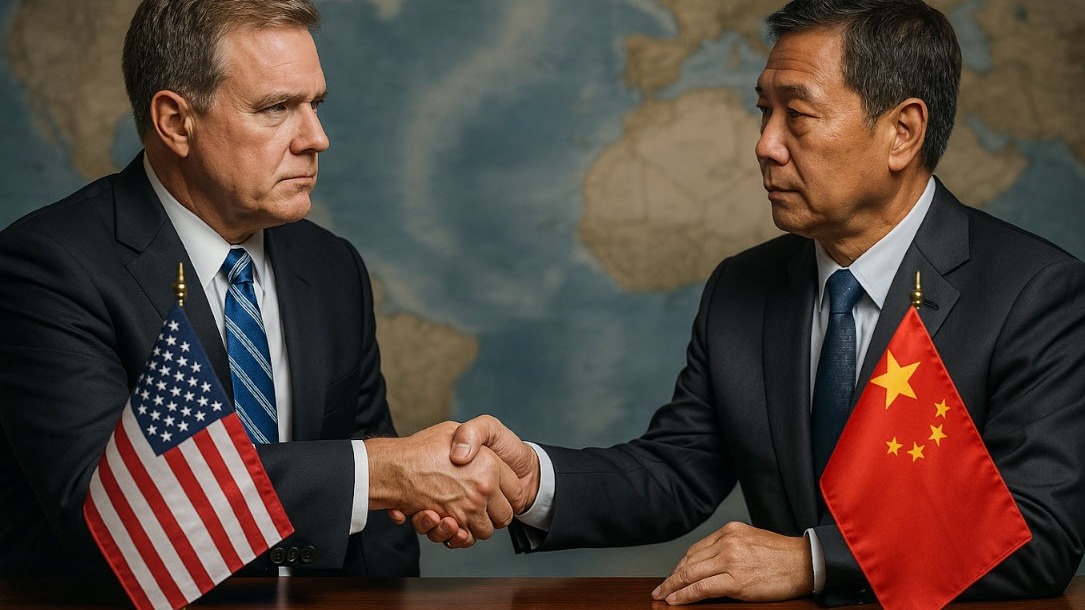
Trade Tariffs Agreements


It's impossible." The China Factor China isn't just a place that makes cheap stuff. They're actually masters at creating high-quality products, especially in technology and design. But there's a catch - they don't always play fair. Peter shared a shocking fact: Chinese individuals sometimes steal American business names, preventing those companies from selling products in China! 

Surprising Facts About China

  • No guns for police

  • Extremely low street crime

  • No terrorists

  • Highways so organized they can track your speed automatically

  • Factories run differently depending on who's in charge -- Chinese or Taiwanese

Trump's Trade Tariffs: The Real Story

The tariffs are meant to protect American businesses, but the reality is more complicated. Peter believes we can't simply cut ties with China. "China cannot do without us, and we cannot do without China," he says. 

What This Means for You Whether you're buying a phone, clothes, or computer parts, global trade affects your daily life.

The decisions made in boardrooms and government offices impact the prices and availability of products you use every day. 

The Future of Trade 

No one knows exactly what will happen, but one thing is clear: international business is like a complex dance, where every country tries to lead without stepping on each other's toes. Imagine a massive ballroom where countries are dancers - the United States twirls with its economic power, China glides with manufacturing expertise, and smaller countries weave between them. Sometimes they move in harmony, other times they clash with a variety of tariffs. 

Trade Tariffs are like sudden stops in the music, trade agreements are careful choreography, and economic sanctions are sharp turns that can throw everyone off balance. Some countries will stumble, some will adapt, and some will create entirely new dance moves we haven't even imagined yet. The global trade floor is always changing, with new partners, unexpected rhythms, and constant improvisation.

For daily, up-to-date information on Trade Tariffs and other subjects of interest visit Global Trade News

A Special Thank You  

This article would not have been possible without the candid insights and decades of experience shared by Peter Bort. His willingness to pull back the curtain on the complex world of global trade provides a rare, unfiltered look into an industry that touches all of our lives. Thank you, Peter, for your honesty, expertise, and willingness to share your story.

Global Trade News Blog

807 Views

0 Comments

Write A Comment

*
*
Related Posts All Posts
01.21.2026

Unlock Manufacturing Efficiency: The Role of Automated Brazing and Soldering Machines

Update Understanding Automated Brazing and SolderingIn the world of manufacturing, processes are always evolving, and automated brazing and soldering machines are leading the way. These machines streamline complex tasks, making them faster and more efficient. But what exactly is brazing and soldering? Essentially, these are methods used to join materials together using heat and a filler metal. Automated systems take the guesswork out of these processes, ensuring that every joint is as strong as possible.The Benefits of Automation in ProductionAutomation in welding processes brings several advantages to manufacturers. Firstly, it significantly reduces labor costs. Instead of relying on multiple workers to perform these tasks manually, one machine can do the work of several. This not only cuts down on expenses but also increases production speed. With fewer errors in the process, manufacturers can achieve a higher output of quality products.Innovations in Brazing TechnologyThanks to ongoing advancements in technology, modern brazing techniques have improved dramatically. For instance, high-tech processes like vacuum brazing banish contaminants, helping to create perfect joints essential for industries like aerospace and electronics. Furthermore, new filler metals allow for stronger bonds, enabling manufacturers to work with a wider variety of materials. These innovations mean that more complex components can be produced reliably and cost-effectively.Why Quality MattersWhen it comes to manufacturing, quality is key. Poorly made joints can lead to product failures, which may not only damage a company’s reputation but also increase costs significantly when products need to be recalled. Automated machines maintain consistent standards and high-quality output, ensuring that every piece is up to par. This is especially crucial in high-performance sectors such as medical devices and aerospace, where precision is nonexistent.How To Make The TransitionTransitioning to automated systems requires careful planning and investment, but the rewards are worth it. Manufacturers should conduct thorough research on the systems available that fit their specific needs. They should also consider available support from machine manufacturers, who often offer consultations to help integrate these new systems. Taking these steps will lead to a smoother transition into the benefits of automation.Conclusion: Embracing the Future of ManufacturingAs automation continues to shape the manufacturing landscape, businesses that capitalize on these advancements will stand out in a competitive market. With robots handling soldering and brazing, manufacturers can expect significant increases in efficiency, production, and product reliability. It’s time to embrace this change and be poised for a bright and productive future!

01.20.2026

How RivetKing Is Transforming Fastening Technology for Modern Manufacturing

Update The Transformation of Fastening Technology in ManufacturingIn an era where technology is constantly evolving, a 113-year-old company stands as a testament to innovation in the fastening industry: Industrial Rivet & Fastener Co., widely known as RivetKing. Recognized for their adeptness at modernizing old-school products, the company recently garnered 'Product of the Year' honors in the fastening category at the ASSEMBLY Show in 2025. Their commitment to continuous improvement reflects a broader trend in manufacturing where efficiency, safety, and adaptability are paramount.Understanding the Importance of Fasteners in ManufacturingRivets and other fasteners, though seemingly small components, play a critical role in the manufacturing process. As Steven Sherman, vice president of engineering at RivetKing states, "In assembly, it’s a matter of holding things together. It’s really a fascinating—no pun intended—way to assemble parts." This necessity is echoed across multiple industries, where the reliability of fasteners can significantly impact the quality of the end product.Embracing Technology with the MTC Tool ControllerA key innovation that sets RivetKing apart is the introduction of the MTC tool controller. This technology enhances process control and allows for data collection across their product lines, including their popular FreeSet cordless tools. By utilizing the controller, manufacturers can track fastener installations effectively, ensuring that no fastener is missed during assembly—a vital step in maintaining production quality.Innovative Products Designed for Modern NeedsRivetKing is pushing the boundaries of fastening technology with products like KingSet and FreeSet. These advancements automate the feeding of rivets and provide real-time data on setting force, critical for confirming correct installations. This automation reduces the need for extensive training, enabling manufacturers to maintain quality under pressure.[LSI Keyword: Future Trends in Fastening Technology]As industries evolve, RivetKing is also keen on exploring new applications such as lock bolts for solar farms and structural fasteners for AI data centers. These developments signify a proactive approach to adapting to the changing landscape of manufacturing and construction. Furthermore, the rising demand for sustainability in manufacturing practices has initiated a shift towards non-toxic materials and recyclable fasteners. Advances in nanotechnology and smart materials promise to further transform fastening technology in the coming years.Making Informed Decisions in ManufacturingFor manufacturers, understanding the advancements in fastening technology is not just beneficial but essential. As more applications develop, choosing the right fastener can be the difference between a reliable build and a costly failure. Utilizing modern tools like RivetKing's MTC controller can lead to more efficient processes, reduced waste, and higher overall product quality.Final Thoughts: The Future of Fastening TechnologyThe world of fastening technology underscores the intersection of tradition and innovation. As RivetKing demonstrates, a legacy of over a century can harmonize with the latest advancements to create reliable, modern solutions. As manufacturers, staying informed on these trends and utilizing the right technology is crucial to sustaining competitiveness in a rapidly evolving marketplace.

01.21.2026

China's Port Fee Changes: Minimal Impact on U.S. Manufacturer Shipping Costs

Update China's New Port Fees: A Minor Shift in U.S. Trade Dynamics Earlier this month, the maritime landscape witnessed a relatively low-impact change when China introduced new port fees targeting U.S.-linked vessels. While the policy took effect on October 14, many industry analysts were left surprised by the muted reaction from the U.S. shipping sector, as noted by Linerlytica. This is significant because such tariff-like measures often send ripples through global trade, setting off alarms among manufacturers and traders worldwide. Background on China's Port Fees The latest fees are aimed at ships controlled or owned by companies with a minimum of 25% U.S. ownership. Initial forecasts had suggested chaotic responses but instead saw various major carriers adapt quickly. For instance, U.S.-based Matson found itself on the receiving end, while giants like Maersk and Hapag-Lloyd effectively dodged the new fees by redirecting their vessels. These actions demonstrate an agile approach, typical in the fast-paced shipping industry, where companies must navigate tariffs and fees with strategic foresight. Impact on Shipping Costs Interestingly, while the anticipated disruption remained minimal, an unexpected 32% spike in shipping rates for containers moving from Shanghai to the U.S. West Coast was recorded shortly after the fee announcement. As manufacturers look to expedite shipments amidst looming tariff changes, it’s expected that freight rates will continue to climb as we approach the U.S. administration's potential policy shifts against China. Future Predictions for U.S.-China Trade The reciprocal nature of these port fees marks a distinctive juncture in U.S.-China relations. As both powers wield tariffs like geopolitical tools, clarity in policy and trade declarations will be critical. The likelihood of rate hikes and fee adaptations will continue, influenced by external pressures such as U.S. President Donald Trump’s recent tariff threats on other fronts. Understanding the Broader Context This situation is further complicated by some significant ambiguities in the regulations regarding definitions of 'ownership' and 'vessel operator.' With the goal of stabilizing trade relations hanging in the balance, resolving such definitions could determine the effectiveness of these port fees. If one nation acts broadly, the other may follow suit, exacerbating trade tensions. Implications for Manufacturers For manufacturers poised to engage in international trade, these developments serve as both warning and opportunity. Uncertainties in shipping costs can significantly affect budgets and pricing strategies. Thus, staying informed on port fees is advisable—particularly as industries brace for a landscape that shifts with government negotiations and policy adaptations. In summary, while China's port fee strategy appeared set to shake the U.S. shipping market, it instead resulted in only minor tremors. Yet, as global trade practices evolve—especially under the scrutiny of international tariffs—it becomes increasingly valuable for manufacturers to anticipate and adapt to these shifting dynamics. Stay proactive and informed. Manufacturers must navigate these complexities to ensure that trade practices remain favorable despite the shifting regulatory environment.

Terms of Service

Privacy Policy

Core Modal Title

Sorry, no results found

You Might Find These Articles Interesting

T
Please Check Your Email
We Will Be Following Up Shortly
*
*
*