




Add Row
Add Element
Global Trade News
update
Global Trade News
update
Add Element
SCHEDULE YOUR INTERVIEW 
  • Home
  • Categories
    • Policy Pulse
    • Compliance Corner
    • Market Movers
    • Trade Trends
    • Export Essentials
    • Import Insights
    • Regulatory Roundup
    • Global Trade News Blog
    • More Spotlights
    • More Videos
  • update
  • update
  • update
  • update
  • update
  • update
  • update
March 04.2025
2 Minutes Read

BMW CEO Advocates for EU Tariff Reductions on U.S. Car Imports

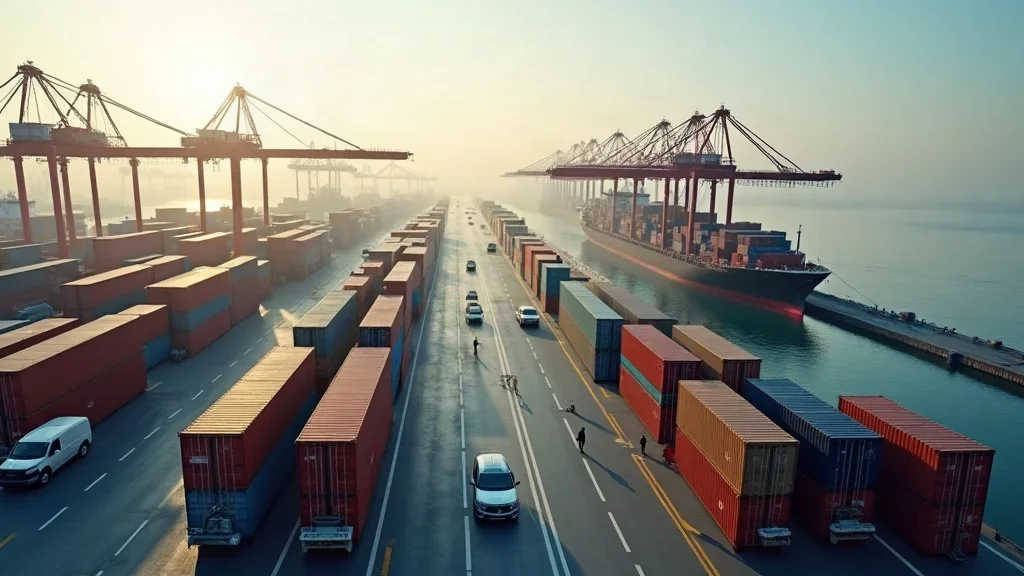
EU Tariff Reductions on U.S. Car Imports illustrated with colorful parked vehicles.

The Call for EU Tariff Reductions on U.S. Imports

In a provocative statement that could reshape transatlantic trade, BMW CEO Oliver Zipse has proposed a reduction in tariffs imposed by the European Union (EU) on U.S. car imports, lowering them from the current 10% rate to a mere 2.5%. This proposal aligns with existing tariffs on U.S. imports, reflecting a call for a more equitable trade environment, particularly in light of heightened tariff tensions under the Biden administration.

Economic Implications of Tariff Equality

The proposed change in tariffs is not an isolated discussion; it coincides with critical European Commission talks focusing on the future of the automotive industry. With European automakers battling against diminishing demand and fierce competition from China, reducing tariffs could potentially drive down vehicle prices and spur innovation across the industry. In 2023, Germany led the EU in passenger car exports, valued at over $183 billion, indicating the significant stakes involved in these tariff negotiations.

The Global Automotive Landscape

Both the EU and the U.S. play large roles in the global automotive sector. In 2023, the U.S. exported approximately $26.3 billion worth of passenger cars, while imports totaled $8.7 billion. A reduction in EU tariffs could allow U.S. manufacturers to better penetrate the European market, which has historically imposed higher tariffs on American vehicles.

Perspectives on Trade Barriers

Zipse's stance resonates with other industry leaders who also advocate for fewer trade barriers. For instance, Ola Kaellenius, the CEO of Mercedes-Benz, emphasized the need for a “grand bargain” with the U.S. to fend off the threat of a trade war. The need for collaboration is evident, as trade tensions can impact not just vehicle costs but also lead to job losses within the industry, further exacerbated by plant closures in Europe.

Benefits of Tariff Reductions for Consumers

A harmonization of tariffs at 2.5% on both sides would not just even the playing field but also benefit consumers. Currently, EU tariffs inflate the costs of American-made cars, contributing to the rising prices of vehicles in a market already struggling with high costs due to inflation. Lower tariffs could boost consumer choices and reduce vehicle prices significantly, offering respite to buyers facing financial strain.

An Uncertain Future and Adaptability

Despite the optimistic view of potential tariff reductions, the future remains uncertain. The Biden administration retains the power to implement their tariffs, adjusting the trade landscape once more after years of fluctuations. Maintaining a balanced and resilient production footprint, as Zipse suggests, could be pivotal for automotive manufacturers navigating these turbulent waters.

Conclusion: A Call for Action

As trade discussions unfold, the voices of industry leaders like Oliver Zipse can significantly influence policy. Stakeholders in the automotive industry, from manufacturers to consumers, should advocate for changes that promote free trade and lower tariffs. As the EU prepares for upcoming talks, it is imperative to keep the focus on mutual benefits that drive innovation, economic growth, and consumer satisfaction.
Trade Trends

54 Views

Write A Comment

*
*
Related Posts All Posts
02.24.2026

Investors Turn to Asset-Heavy Stocks for Stability Amid AI Disruptions

Update Investors Seek Shelter: Why Asset-Heavy Stocks are Thriving Amid AI Concerns With the rapid advancements in Artificial Intelligence (AI) sending shockwaves through the stock market, many investors are now looking for safer havens for their capital. The current climate, filled with uncertainty and volatility in tech stocks, is pushing seasoned investors towards asset-heavy companies. This shift suggests a significant change in investment strategies, especially for businesses involved in import and export. Understanding the Current Investment Climate As AI technologies continue to disrupt traditional business models, many investors are feeling anxious about their high-flying tech stocks, which have seen considerable declines this year. Companies that were once lauded for their innovation now face existential threats as AI tools rapidly evolve. In contrast, value stocks—those associated with tangible assets such as consumer staples, energy production, and manufacturing—are becoming increasingly attractive as they provide a buffer against this volatility. Value stocks, often seen as dull by momentum investors, are now a source of hope. A notable trend has emerged: as tech stocks experience downturns, companies engaged in manufacturing and trade are seeing a surge in interest. This illustrates a broader market reallocation where investors seek reputable, established firms grounded in real tangible assets rather than speculative technologies. The Appeal of Asset-Heavy Companies Why are asset-heavy stocks gaining ground? The answer lies in their intrinsic value, which remains relatively stable compared to numbers driven by market sentiment or technology hype. Companies involved in import and export, manufacturing, and energy production have enduring physical resources and infrastructures that can weather economic downturns. Moreover, as global trade ramps up post-pandemic, these sectors stand to benefit significantly. Investors are fleeing tech stocks to invest in companies that provide more predictable returns. Historical patterns indicate that sectors tied to hard assets—such as oil and gas, real estate, and industrials—tend to outperform during economic uncertainty. This strategy mitigates risk while also capitalizing on potential growth. Navigating Risks in the Age of AI As beneficial as asset-heavy investments are, there are still risks involved. The market’s shift toward AI could pose threats to value investing strategies. For instance, AI tools, which can analyze vast datasets in seconds, might lead to an increase in market herding behavior. As AI starts to dictate investment choices, it may compress the timeframe in which undervalued stocks remain, potentially leading to missed opportunities for discerning investors. If the majority of investors are using the same algorithms and tools, a consensus view might form too quickly, resulting in miscalculations and inflated asset prices. Buyers must navigate this crowded landscape carefully and remain vigilant, leveraging their unique insights and judgment rather than following the herd. Actionable Insights for Import and Export Companies For import-export businesses, understanding the dynamics of value investing in this tech-driven economy is crucial. Focusing on building strong foundational assets and diversifying across sectors can enhance resilience. Moreover, those in trade can pivot their business strategies to ensure they are integrating modern efficiencies without compromising the intrinsic values of their offerings. Investors should focus on companies demonstrating strong balance sheets, solid management, and a strategic approach to growth. Evaluating how these companies integrate or combat AI trends is essential for making informed investment decisions in today's market. Future Predictions: What Lies Ahead As we progress into the future, the interplay between AI advancements and traditional investment strategies will be fascinating to observe. While some may perceive AI as a threat to value investing, it can also be an opportunity for those willing to adapt. Investors who harness AI to enhance their understanding without losing their critical thinking skills will likely succeed in this increasingly complex market landscape. In conclusion, while the AI revolution challenges many old norms, it simultaneously offers a unique pathway for rethinking traditional investment approaches. Understanding where tangible value lies, particularly in the manufacturing and trade sectors, can empower import-export companies to thrive. If you're involved in import-export businesses or simply wish to stay ahead in this changing landscape, now is the time to reassess your strategies and align with the evolving market dynamics. Explore how you can leverage both traditional and innovative strategies to secure your investments and sustain growth.

02.23.2026

What the Secret Iran-Russia Missile Deal Means for Global Trade

Update An Unexpected Alliance: Iran's Secret Missile Deal with RussiaIn a significant development that underscores the growing military ties between Iran and Russia, Tehran has formalized a secret arms agreement valued at approximately €500 million ($589 million). This deal, reported by the Financial Times, involves the procurement of advanced shoulder-fired missiles, specifically the Verba system, as Iran seeks to bolster its air defense capabilities following substantial damage inflicted during its conflicts, particularly that with Israel. The agreement, signed in Moscow last December, is set to see Russia deliver 500 launch systems and 2,500 9M336 missiles over a period extending from 2027 to 2029.The Strategic Importance of the Verba SystemThe Verba missile system represents a leap in technology for Iran's military forces. As one of Russia's most modern shoulder-fired, infrared-guided air defense systems, the Verba is adept at engaging cruise missiles, low-flying aircraft, and drones. Its portable nature and capability to be operated by small mobile units create a dynamic defensive network that does not rely on vulnerable fixed radar installations. This flexibility is crucial for a nation like Iran, which faces constant regional threats and ongoing international scrutiny.Response to Regional Conflicts and Military NeedsThe necessity for such systems was underscored by Iran's experiences in recent conflicts. Following airstrikes that targeted key nuclear facilities, Tehran's demand for advanced defensive technologies surged. The deal's negotiation, which commenced shortly after these conflicts, demonstrates Iran's urgency to fortify its military readiness amid escalating tensions with both Israel and the United States.Financial Implications and Military TradeFrom a trade perspective, the financial terms of the deal shed light on the depths of military commerce being conducted between these two nations. At an estimated €170,000 per missile unit and €40,000 for each launch system, the contract reflects not only a substantial financial transaction but also a strategic military partnership that could redefine regional power dynamics. As the global landscape shifts and alliances reconfigure, these arms deals signal Iran's intent to solidify its military position and expand its influence in the Middle East.The Broader Impact on Global Trade and SecurityFor import-export companies, the implications of such military agreements cannot be understated. As nations like Iran enhance their military capabilities, there is a ripple effect that impacts international trade policies, security protocols, and compliance measures across borders. Understanding the dynamics of these arms deals provides essential insights into shaping future trade strategies, particularly for businesses operating in regions affected by conflict.The Future of Iran-Russia Relations: A Growing Military Partnership?The Iran-Russia arms deal potentially sets the stage for deeper collaboration in military technology and defense strategies. With Tehran's growing need for advanced military equipment and Moscow's desire to strengthen ties with a crucial regional ally, this partnership is likely to evolve, impacting not only the geopolitical landscape but also international trade. Import/export companies must remain vigilant, as the developments in military capabilities could lead to shifts in trade relations, heightening the importance of compliance and adherence to international regulations.Conclusion: Understanding the StakesAs import/export firms navigate the complexities of international trade against the backdrop of shifting military alliances, staying informed about developments like the Iran-Russia arms deal becomes crucial. This agreement is more than just a financial transaction; it embodies the strategic decisions that affect not just the involved nations but also the broader fabric of global economic and security frameworks. By understanding these dynamics, companies can better position themselves to address the challenges and opportunities that arise in an ever-evolving landscape.

02.22.2026

Tariff Increase to 15%: What Import-Export Companies Need to Know

Update Tariff Challenges Post-Supreme Court Decision In a surprising move following a Supreme Court decision that did not favor his administration, former President Trump has announced an increase in global tariffs from 10% to 15%. This shift comes at a time of heightened scrutiny on trade practices, signaling a potentially volatile phase for import-export companies navigating international markets. The Direct Impact on Import-Export Companies For businesses engaged in import and export activities, the increase in tariffs brings both challenges and opportunities. A rise from 10% to 15% means a direct increase in costs for businesses relying on imported goods. Importers could see their profit margins shrink as they scramble to adapt their pricing strategies to absorb added expenses while remaining competitive. Exporters, on the other hand, might experience a shift in demand as foreign buyers reconsider the total cost implications of importing U.S. products. Understanding Tariffs: What They Mean for Your Business Tariffs serve as a financial tool employed to protect domestic industries but can also lead to unintended consequences. With increased tariffs, foreign manufacturers might raise their prices, affecting overall trade flows. For import-export companies, this necessitates a keen understanding of how tariff changes can impact their supply chains and pricing strategies. Exploring Financial Strategies to Counteract Tariff Effects The real question for import-export companies is how to navigate this new landscape effectively. Adopting financial strategies such as diversifying suppliers, renegotiating contracts, or even exploring local manufacturing options can mitigate the effects of rising tariffs. For example, connecting with domestic suppliers can help reduce dependency on international goods, thereby sidestepping some tariff consequences. Industry Response: Anticipating the Future of Global Trade The broader question of what this tariff hike means for the future of global trade looms large. Experts in trade policy suggest monitoring the changes closely, as these tariff modifications could signal a longer trend of protectionism that may ultimately reshape international trade agreements. Keeping an eye on the reactions from both domestic and international markets is vital for import-export companies planning their next moves. Common Misconceptions About Tariffs Myths surrounding tariffs often create confusion. A common misconception is that higher tariffs solely benefit domestic manufacturers. In reality, they can trigger retaliation from other countries, leading to escalated trade wars. Understanding these dynamics is crucial for business owners who need to make informed decisions that align with their long-term goals. Conclusion: Adapting to Change Even amid uncertainty, there are ways for import-export companies to thrive. By refining supply chain strategies and staying informed about policy changes, businesses can navigate through the complicated landscape that tariffs introduce. Embracing these challenges as opportunities for growth can lead to innovative solutions. Don't let uncertainty deter you; seize the moment to explore new strategies and strengthen your business model.

Terms of Service

Privacy Policy

Core Modal Title

Sorry, no results found

You Might Find These Articles Interesting

T
Please Check Your Email
We Will Be Following Up Shortly
*
*
*



