Global Trade News
update
Global Trade News
update
SCHEDULE YOUR INTERVIEW 
  • Home
  • Categories
    • Policy Pulse
    • Compliance Corner
    • Market Movers
    • Supply Chain
    • Export Essentials
    • Manufacture Technology
    • Regulatory Roundup
    • Market Intelligence
    • More Spotlights
    • More Videos
  • update
  • update
  • update
  • update
  • update
  • update
  • update
October 27.2026
3 Minutes Read

Is Your Ex Legally Obligated to Pay for Kids’ Education Funds?

Thoughtful mature woman in bright room, considering education funds.

Understanding Financial Commitments in Divorce

When irreconcilable differences arise in a marriage, couples can face not only emotional turmoil but complex financial issues as well. In cases where one spouse is responsible for managing funds intended for children—like the situation described where a mother entrusted her ex-husband with $20,000 for their daughters' education—legal obligations can become murky. These situations can be especially challenging because they blend emotional stakes with financial ones, creating a unique landscape that requires careful navigation.

Legal Obligations to Child Support and Education Funds

While courts primarily handle child support obligations through monthly payments, specific funds designated for education can pose additional questions. In this case, the former mother-in-law’s intent needs to be considered thoroughly. Was the $20,000 intended strictly for educational expenses? In many jurisdictions, if a trust or custodial account was set up, the ex-husband may be held accountable to the point where legal action can be pursued to enforce the original intent. Understanding how such financial arrangements truly work is vital here, as these tools are often employed to protect children’s financial futures while ensuring that funds are allocated correctly.

Evaluating the Role of Intent and Documentation

Documentation plays an essential role in such disputes. If the ex-husband has chosen to refuse payment, it may compel the affected party to seek legal advice regarding the enforcement of promises made by family members in the past. Establishing a clear intent on behalf of the former mother-in-law—whether it was a formal agreement, a legal trust, or simply an informal promise—will be crucial in determining the appropriate legal recourse. Moreover, having physical evidence or correspondences that indicate the nature of the funds can fortify legal positions and create a stronger case.

The Importance of Open Communication

In many instances, miscommunication or lack of communication can exacerbate conflicts. If both parties can discuss their respective expectations regarding the education funds, they might arrive at an understanding that can avoid court. Open dialogue gives both parents an opportunity to express their feelings about financial responsibilities and the importance of their children's future, thus paving a clearer path forward.

When Mediation May Help Resolve Disputes

In cases of financial disagreements post-divorce, mediation serves as an excellent approach. It provides a platform where both parties can negotiate without the adversarial nature of traditional legal proceedings. By working with a neutral mediator, involved parties can discuss the original intent of the educational funds, clarify any doubts, and explore potential compromises. This route not only saves time but also helps in preserving relationships, particularly in shared scenarios like raising children. Moreover, a successful mediation may set a positive precedent for future interactions, promoting a collaborative spirit in co-parenting efforts.

The Bigger Picture: Financial Planning for Future Generations

Ultimately, the situation highlights a broader conversation about financial responsibilities within families. In divorce cases or otherwise, ensuring that children have access to educational funds should always be a priority. Engaging with financial consultants can provide families—especially those involved in industries like import/export, which can face varying financial challenges and obligations—with tailored strategies to safeguard future generations. This investment in children’s education can be pivotal in fostering their success in a global marketplace, ultimately leading to a more financially literate and capable next generation.

Creating a Financial Safety Net for Children

Setting up dedicated savings accounts or investing in custodial education plans can help avert such conflicts in the future. For import-export companies and entrepreneurs, managing cash flow while ensuring funds are securely set aside for their children’s education is indeed a balancing act worth pursuing. Implementing financial practices such as automating transfers into educational accounts can simplify the process, providing peace of mind that obligations are met consistently. Balancing financial success while fulfilling family obligations is not only smart but essential to empowering the next generation. Investing in a child’s education does not just prepare them for a career but instills the values of financial responsibility and academic achievement that can last a lifetime. Addressing these intricate dynamics with care and foresight can pave the way for healthier family relationships and a brighter future for all involved.

Manufacture Technology

1 Views

Write A Comment

*
*
Please complete the captcha to submit your comment.
Related Posts All Posts
10.27.2026

Convergence of Composite Process Materials and Large-format Additive Manufacturing

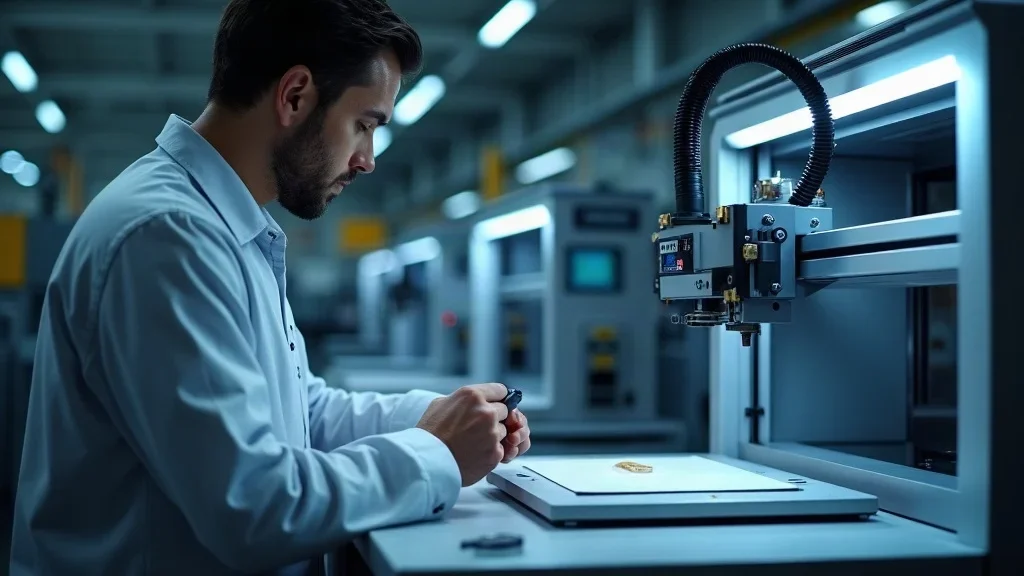
Imagine a bustling factory floor where massive, sleek machines rapidly construct intricate carbon fiber tools and lightweight structures, cutting lead time from weeks to days. This is not science fiction—it’s the reality brought to life by the intersection of composite process materials and large-format additive manufacturing composites (LFAM). As industries seek faster development cycles, greater design flexibility, and sustainable practices, the synergy between LFAM systems and advanced composite materials is revolutionizing how products are made—unlocking powerful opportunities and challenging old paradigms.Introduction to Large-Format Additive Manufacturing CompositesLarge-format additive manufacturing composites have quickly emerged as a transformative force in digital manufacturing, bringing together advanced material development and cutting-edge manufacturing techniques. LFAM systems empower industries to build large, complex geometries with fewer limitations than traditional methods, enabling the rapid prototyping and local manufacturing of reinforced composite structures. In factories and research labs worldwide, these systems leverage both fiber reinforcement and state-of-the-art process materials—such as those supplied by pioneers like Airtech—to efficiently produce reusable tooling, printed molds, and custom parts with enhanced durability and minimal material waste.Exploring the Growth and Impact of Additive Manufacturing in Composite MaterialsThe expansion of additive manufacturing in the composite materials sector is not just about speed—it’s about the possibility to reimagine what can be built and how. With continuous innovations in fiber composites, carbon fiber integration, and process parameters, industries like aerospace, automotive, and maritime are leveraging LFAM systems to create more complex structures, optimize supply chains, and reduce both labor and scrap. As the scale and sophistication of format additive manufacturing have increased, so have opportunities for creating lightweight structures with superior strength, as well as rapid adaptation to specific application needs or abrupt changes in demand.For those interested in how these manufacturing advancements are influencing global trade and supply chain strategies, recent coverage on Global Trade News highlights the broader implications of additive manufacturing technologies on international markets and logistics.Scenario: How Advanced Manufacturing is Shaping the Future of Large-Format Additive Manufacturing CompositesPicture an aerospace manufacturer needing to pivot quickly between custom aircraft components. With traditional composite materials and molding methods, development cycles could take months and generate significant composite scrap. Now, large-scale 3D printers, using fiber reinforcement and carbon fiber in the process material set, produce precision-engineered reusable tooling within days. This shift supports more resilient supply chains, enables the creation of complex concrete structures, and dramatically reduces energy deposition compared to legacy techniques. Such real-world transformations highlight both the impact and future promise of large-format additive manufacturing composites across high-performance industries.What You'll Learn About Large-Format Additive Manufacturing CompositesKey advancements in format additive manufacturingIntegration of composite materials and fiber reinforcementBenefits and challenges of LFAM systemsIndustry applications of carbon fiber and fiber compositesFundamentals of Large-Format Additive Manufacturing and Composite MaterialsDefining Format Additive Manufacturing and Its Role in CompositesFormat additive manufacturing—often used interchangeably with LFAM—refers to advanced manufacturing techniques that deposit layers of fiber-reinforced composite materials at a much larger scale than conventional 3D printing. This process enables unprecedented flexibility in the creation of complex geometries and lightweight structures, critical for applications in aerospace, automotive, and construction. Unlike binder jetting or traditional composite fabrication, LFAM systems blend digital manufacturing technologies with high-performance process materials, facilitating the creation of both functional prototypes and end-use components. The result is a significant reduction in build times, streamlined development cycles, and remarkable design freedom in fiber reinforced composites.Common Composite Materials Used in Large-Format Additive ManufacturingComposite materials commonly utilized in LFAM include thermoplastics like PEKK and PEEK, as well as epoxies reinforced with continuous fiber or chopped fiber infill. Carbon fiber is a staple for demanding applications, while glass fiber, aramid fiber, and custom hybrid blends are frequently used to tune properties for specific application requirements. The right choice of composite material directly impacts the structural integrity, mechanical performance, and sustainability of the final product. This matrix of options, combined with rapid prototyping capabilities, allows engineers to select material sets tailored to unique challenges, ensuring consistent part quality and minimal material scrap.Understanding Fiber Composites and Fiber ReinforcementFiber composites are engineered by embedding fibers—often carbon fiber, glass, or aramid—within a polymer or resin matrix, resulting in reinforced composite structures that offer exceptional strength-to-weight ratios. Fiber reinforcement, particularly the use of continuous fibers, drastically improves the load-bearing capacity and overall durability of parts created with large-format additive manufacturing composites. Innovations now allow for the automated placement of fiber within the build process, enabling designers to optimize energy deposition and material usage while pushing the boundaries of what’s possible with format additive manufacturing. As demand for high-performance, lightweight structures grows, the strategic use of fiber composites will continue to define the next generation of advanced manufacturing.LFAM Systems: Integrating Process Materials and TechnologiesHow LFAM Systems Enable Advanced Composite ManufacturingLFAM systems are engineered to support the integration of high-performance composite materials, fiber reinforcement strategies, and customized process materials all in one seamless workflow. What differentiates these systems from traditional manufacturing is their ability to dynamically adapt process parameters—such as feed rate, energy deposition, and fiber placement—to create reinforced composites with specific mechanical properties and minimized material waste. By combining software-driven digital manufacturing with advanced hardware, LFAM empowers manufacturers to lower build times, optimize material usage, and achieve outcomes that were once impossible using conventional techniques. Innovation in this space is driving greater scalability and flexibility, especially as demand increases for lightweight and durable custom components.Reusable Tooling and Printed Molds in Format Additive ManufacturingThe impact of LFAM extends beyond part fabrication into reusable tooling and printed molds, a space traditionally challenged by long lead times and significant labor. Companies like Airtech are transforming production by offering vacuum-bagging and additive-manufacturing tooling materials that can be additively fabricated into custom, reusable molds. These integrated process materials cut both production time and composite scrap, address scalability issues, and lower the overall labor footprint. As development cycles shrink, manufacturers can rapidly iterate mold and tool designs for specific applications, further reinforcing the business case for adopting LFAM in both prototyping and serial production.Fiber Reinforcement and Carbon Fiber in Large-Format Additive ManufacturingRole of Carbon Fiber in Composite Material ApplicationsCarbon fiber is celebrated in large-format additive manufacturing composites for its ability to impart superior tensile strength, rigidity, and weight savings. Its integration into composite material matrices—either as continuous fibers or chopped fiber inclusions—makes it indispensable for applications requiring both high structural integrity and reduced mass. In sectors like aerospace and automotive, where achieving lightweight structures is paramount, carbon fiber’s high strength-to-weight ratio translates to improved performance and energy efficiency. The flexibility of LFAM systems enables engineers to use carbon fiber selectively within the build, tailoring fiber reinforcement for optimal results while minimizing unnecessary use of costly materials.Innovations in Fiber Reinforcement for Superior Large-Format Additive Manufacturing CompositesNew developments in fiber reinforcement technology are rapidly advancing the capabilities of large-format additive manufacturing composites. Automated layup systems now allow for precision placement of continuous fibers, while hybrid material sets and reinforced composite blends can be tailored for specific mechanical or thermal performance targets. The introduction of smart process parameters enables real-time adjustment during builds, ensuring consistent layer bonding, reduced defect rates, and maximized material efficiency. As fiber composite technologies mature, expect a surge in reinforced composite structures optimized for complex geometries—giving designers new ways to address the demands of evolving industries.Case Studies: Real-World Applications of Format Additive ManufacturingAerospace: Reducing Lead Time and Composite ScrapAutomotive: Integrating Carbon Fiber and LFAM for Custom ToolingMaritime: Durable Composite Material Solutions via Format Additive ManufacturingComparing Traditional and Large-Format Additive Manufacturing for CompositesFormat Additive Manufacturing vs. Traditional Composite ProcessesFeatureTraditional CompositesLarge-Format Additive Manufacturing Composites (LFAM)Lead TimeLong (weeks to months)Short (days to weeks)Material ScrapHigh (manual trimming, offcuts)Low (integrated process materials)Design FlexibilityLimited by manual layup and toolingHighly flexible (complex geometries, digital workflows)Labor RequirementsManual, skilled labor-intensiveAutomated, reduced laborRepeatabilitySubject to human errorSoftware-controlled, highly repeatableScalabilityConstrained by tooling/setup timeScalable for local manufacturing and rapid prototypingKey Advantages of Using Large-Format Additive Manufacturing CompositesReduced Labor and Production Lead TimesMinimizing Material Scrap Through Integrated Process MaterialsDesign Flexibility With Fiber Composites and Carbon FiberChallenges and Limitations in Format Additive ManufacturingMaterial Compatibility in Composite Materials: Not all polymers and fibers are compatible with every LFAM system or process parameter set, complicating material development and limiting some applications.Complexity of Quality Control for Fiber Reinforced Parts: Ensuring consistent fiber orientation, layer adhesion, and strength can be more complex than with traditional molds, requiring advanced inspection methods and digital monitoring.Scalability Issues in Large-Format Additive Manufacturing: While LFAM systems expedite prototyping and certain types of production, scaling to true mass production across diverse markets can present supply chain, process tuning, and equipment investment hurdles.Industry Voices: Expert Perspectives on Large-Format Additive Manufacturing Composites“Airtech’s integration of vacuum-bagging and additive-manufacturing tooling materials is significantly transforming how reusable tooling and printed molds drive efficiency and sustainability in the composites industry.”Lists of Leading LFAM Systems and Composite Material InnovationsTop Providers of Format Additive Manufacturing Solutions: Market leaders focus on integrating advanced fiber composites, automation, and intuitive digital manufacturing interfaces for large-scale capability.Recent Innovations in Fiber Composite Process Materials: Examples include thermoplastic matrix enhancements, smart reactive resins, chopped fiber blends, and hybrid continuous fiber feedstocks—each improving performance, versatility, and sustainability.Best Practices for Adopting Large-Format Additive Manufacturing CompositesSelecting the Right Composite Material for Your Application: Assess the mechanical, thermal, and cost requirements for your specific application to choose the best fiber composites or carbon fiber reinforcement.Optimizing Process Materials to Reduce Scrap and Labor: Use integrated process materials (such as reusable tooling materials and vacuum-bagging solutions) to streamline production, minimize labor, and eliminate excess material waste.Ensuring Quality With Fiber Reinforced Components: Implement real-time digital monitoring and testing to maintain consistent quality, structural integrity, and targeted performance of reinforced composites through every stage of the LFAM process.Large-format additive manufacturing composites represent a significant leap forward in the fabrication of reinforced parts. By combining digital manufacturing techniques with advanced fiber composites, industries can create complex geometries, reduce build times, and minimize material waste. This new approach also allows for faster prototyping and more efficient local manufacturing, addressing many challenges faced by traditional composite manufacturing.FAQs on Large-Format Additive Manufacturing CompositesWhat are large-format additive manufacturing composites?Large-format additive manufacturing composites refer to the use of 3D printing systems designed for producing oversized, reinforced composite parts by layering thermoplastics or resins combined with fibers such as carbon fiber or glass. This approach provides greater speed, flexibility, and reduced waste compared to conventional processes.How does carbon fiber improve format additive manufacturing?Carbon fiber enhances the strength, rigidity, and lightweight properties of composite materials, making them ideal for demanding applications in aerospace and automotive. When used within LFAM systems, carbon fiber reinforcement can be tailored to optimize performance and minimize material consumption.Are format additive manufacturing and traditional composites compatible?Yes, the two are often complementary. LFAM parts can serve as molds or direct-use components in traditional composite workflows, and advances in hybrid process materials allow for seamless integration between both manufacturing approaches.What are the main benefits of LFAM systems in the composites sector?Key benefits include reduced production lead times, lower labor and scrap, enhanced design flexibility for complex shapes, and the ability to leverage fiber reinforcement for superior part performance.Key Takeaways for Industry AdoptionSeamless integration of composite materials and additive manufacturingLFAM systems drive lead time and scrap reductionsFiber reinforcement unlocks new application possibilitiesSee Large-Format Additive Manufacturing Composites in ActionWatch how engineers use a large-format 3D printer to build fiber-reinforced composite parts—showcasing process parameters, real-time adjustments, and finished structures used in demanding industrial applications.See how integrated process materials (such as Airtech’s vacuum-bagging innovations) work seamlessly with large-format additive manufacturing for tooling, molds, and composite structures—achieving new standards in efficiency and sustainability.Summary and Industry OutlookThe convergence of composite process materials and large-format additive manufacturing composites is transforming manufacturing through flexibility, efficiency, and the creation of highly functional, custom composite components. As innovation accelerates, industries embracing LFAM stand to lead the next era of sustainable, high-performance manufacturing.If you’re eager to stay ahead of the curve in advanced manufacturing and understand how these technological shifts are influencing global markets, the latest insights from Global Trade News offer a strategic perspective on trade regulations, supply chain resilience, and emerging opportunities. Exploring these resources can help you anticipate industry trends, adapt your business strategies, and leverage the full potential of composite innovations in a rapidly evolving landscape. Dive deeper to discover how global trade dynamics and manufacturing advancements are shaping the future of composites worldwide.Ready to Transform Your Composite Manufacturing?Have industry insights or news tips? Reach out and join our network of global trade professionals today! Schedule your interview with Global Trade News.

10.26.2026

FedEx’s Network 2.0: Revolutionizing How Your Packages Are Delivered

Update How FedEx is Changing Package Delivery Forever FedEx, a name we often hear when packages arrive at our doorstep, is making big changes. They are creating something called Network 2.0. This major overhaul aims to make the way they sort and deliver packages brighter, faster, and more organized than ever! With so many packages being sent daily, FedEx recognizes the importance of adapting to meet customer needs and expectations. The New Hub in Dallas: A Peek Inside Have you ever wondered how your favorite games or toys get to you so quickly? FedEx has a special facility in a suburb of Dallas that is part of their new system. This place is buzzing with activity, and it's quite impressive! Here, packages are sorted and sent out across the nation with amazing speed. The combination of skilled workers and cutting-edge technology ensures that packages are handled properly. This new technology helps make sure that packages are delivered efficiently, taking advantage of all the latest advancements in logistics. Technology Making a Difference The minds behind FedEx have teamed up with experts in technology to implement advanced sorting machines. These machines can quickly organize packages based on their size, weight, and destination, greatly speeding up the entire process. For example, instead of taking hours, the sorting can happen in mere minutes! This not only reduces the waiting time for packages but also minimizes errors in deliveries, ensuring that your new video game or favorite toy arrives at the correct location without delay. The Bigger Picture: Why This Matters to You So why should you care about FedEx’s new setup? Well, imagine being able to order a new video game or a cool toy and having it delivered the very next day. With improvements like these, it's becoming a reality! Fast delivery doesn't just make customers happy; it also helps stores keep their shelves stocked more efficiently. Retailers can focus on selling more goods rather than worrying about logistics. Overall, it's a win-win situation for everyone involved. Connecting with the Community FedEx isn’t just about technology; they're all about being part of the community too. The new facility in Dallas is expected to create many jobs and boost the local economy, meaning more people in the area will have work. This is especially important in today's world, where job opportunities can be limited. When FedEx invests in a community, it demonstrates their commitment to supporting local growth and development. It’s great to see companies looking out for their neighbors while improving their operations! Going Green: Environmental Considerations Another exciting aspect of FedEx’s new network is their commitment to sustainability. The advanced sorting machines and new logistics strategies not only improve speed but are designed to be more environmentally friendly. For instance, by optimizing delivery routes and reducing fuel consumption, FedEx aims to lower its carbon footprint. This responsibility toward our planet is crucial, especially as consumers become more environmentally conscious. Looking Forward: What Can We Expect? As FedEx rolls out Network 2.0, we can look forward to even more changes. Experts believe that other delivery companies will follow suit and adopt similar technologies. This means faster delivery services will become the norm, changing how we shop and receive goods across the country. Imagine a world where everything—from groceries to electronics—arrives at your home faster than ever before! In Conclusion: Future of Delivery at Your Doorstep So the next time you order something and it arrives at your door super fast, think of FedEx and their Network 2.0 program. Thanks to their commitment to innovation and community, your packages might just keep getting to you quicker and better than ever! Keep an eye out for how this transformation unfolds, as it’s only just beginning! With the blend of technology and community focus, FedEx is setting a new standard that promises to enhance our delivery experience significantly.

10.22.2026

Composite Testing and Qualification

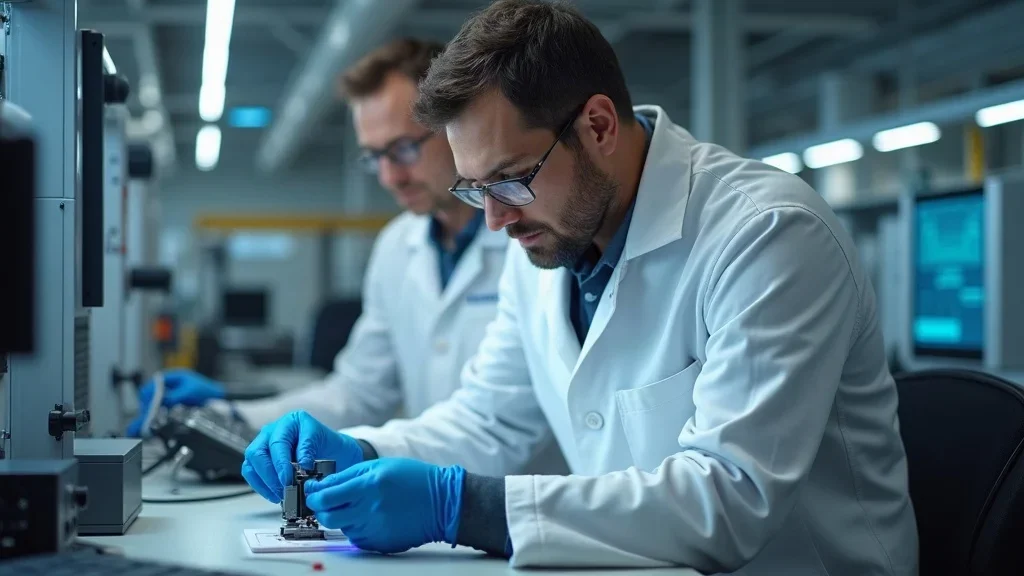
Imagine aerospace engineers crafting next-generation aircraft parts — every layer of composite material must be meticulously tested before it ever leaves the factory. As advanced composites redefine manufacturing, composite testing and qualification safeguard innovative design and ensure safe, reliable real-world performance. This article unpacks why rigorous composite material testing is essential as new materials shift from research labs to production lines in critical industries.Why Composite Testing and Qualification Matter in Modern Manufacturing Modern manufacturing, especially in aerospace and industry, depends on the integration of advanced composite materials for their exceptional weight-to-strength ratios, corrosion resistance, and tailored mechanical properties. However, as these complex materials become central to products that carry critical performance and safety requirements, composite testing and qualification move from being a research formality to an operational necessity. Rigorous testing plans and industry standards ensure that composite behavior is characterized and well understood by part designers. Every component and part needs to perform as designed. Composite material testing involves more than laboratory curiosity. Every tensile test, compression test, and assessment of shear strength is aimed at confirming the structural integrity and lifecycle of critical parts. This process also supports rapid industry adoption, as products are increasingly expected to meet both the technical aspirations of manufacturers and the uncompromising safety standards set by regulators. Whether it’s industrial robotics or commercial airplanes, composite testing and qualification reduce risk, boost reliability, and directly shape the future of manufacturing quality.Observed Trends: From Innovation to Implementation in Composite Material UsageThe transformation of innovative composite materials from early-stage development to large-scale production has accelerated quickly in recent years. Surging demand for lighter, stronger, and more adaptable materials is driven by industries like aerospace, automotive, and energy, which require products that outperform legacy metals and polymers. As a result, what begins as a promising lab innovation must undergo rigorous composite material testing — using various test methods and lab-based testing machines — to validate every mechanical property before entering mass production.Industry leaders now recognize the critical bridge that testing lab processes provide between R&D and manufacturing. Organizations build robust test plans encompassing tensile strength, compressive strength, and shear strength to predict and minimize potential failure modes. This supports safe, reliable product launches — ensuring products meet market and regulatory expectations for a variety of applications. For a deeper dive into how global standards and regulations impact the adoption of advanced materials, you may find the insights on trade regulations and market trends particularly relevant.Reducing Risks as Advanced Composite Materials Enter Aerospace and IndustryAs composite structural components become the standard in safety-critical environments (such as aircraft and industrial machinery), the consequences of inadequate composite testing rise exponentially. Strict adherence to industry standards like ASTM ensures performance, durability, and uniform quality across manufacturing sites and supply chains. Every structural composite material undergoes inspection and qualification to confirm that it can withstand real-world stresses — from vibration to temperature swings and load cycles.Composite material testing further helps manufacturers catch outliers and mitigate risk before components are installed in their final environments. With third-party certification and expertly managed inspection workflows, these testing services offer crucial validation so that only the highest-quality products reach airline fleets or factory floors. The result is a seamless transition from groundbreaking research to reliable, risk-mitigated production.Damage Tolerance and DurabilityDamage tolerance is an important consideration in composite material qualification, particularly for aerospace structures. Engineers evaluate the effects of impact damage, manufacturing imperfections, and other defects on residual strength and structural behavior. This evidence helps designers define acceptable damage limits, inspection needs, and requirements for safe operation.Durability assessment addresses how composite properties may change with repeated loading, moisture, temperature, and other environmental exposures. Fatigue and environmental testing help engineers characterize long-term behavior and establish appropriate material allowables, maintenance strategies, and component performance requirements.What You'll Learn About Composite Testing and QualificationEssential definitions: composite testing, qualification, and certificationCommon test methods for composite material testingThe role of testing laboratories in quality assuranceHow composite testing supports industrial and aerospace applicationsCritical ASTM standards guiding composite testing and qualificationFrequently asked questions in composite material testingUnderstanding Composite Materials: Types and PropertiesDefining Composite Material and Composite MaterialsA composite material is engineered by combining two or more materials to produce a new product with unique, superior properties not found in the individual constituents. Modern composite materials commonly blend a strong fiber (such as carbon fiber or glass fiber) with a matrix (like a polymer, metal, or ceramic), yielding exceptional strength-to-weight ratios, durability, and corrosion resistance. The growing variety of composites has enabled breakthroughs in high-performance industry sectors, from aerospace and automotive to renewable energy and industrial machinery.These blended materials require specialized evaluation — as their mechanical properties, performance under stress, and susceptibility to different failure modes vary based on fiber orientation, resin choices, and manufacturing methods. Composite materials testing thus supports safer deployment and wider adoption of these innovative products by confirming their reliability for every intended use case.Comparing Common Composite Material SystemsComposite materials are engineered to provide different combinations of strength, stiffness, weight, durability, and temperature resistance. The most appropriate material system depends on the application's performance requirements.Carbon fiber composites are valued for their exceptional strength-to-weight ratio and stiffness, making them well suited for aerospace, automotive, and high-performance applications. Glass fiber composites provide a more economical balance of strength, corrosion resistance, and durability, while aramid fiber composites offer excellent impact resistance and toughness.For more demanding environments, metal matrix composites can provide improved wear resistance and high-temperature stability. Ceramic matrix composites are designed for extreme-temperature applications where thermal stability and oxidation resistance are critical. Sandwich structures combine lightweight cores with strong outer skins to achieve high rigidity with minimal weight.The table below compares these commonly used composite material systems, including their reinforcement materials, typical matrices, principal advantages, and applications. TABLE: Comparing Key Properties of Composite Material SystemsComposite TypeFiber / Reinforcement MaterialTypical MatrixMain AdvantagesCommon ApplicationsCarbon Fiber CompositeCarbon fiberPolymer, typically epoxy or resin systemsVery high strength-to-weight ratio, excellent stiffness, good fatigue resistanceAerospace, automotive, sporting goodsGlass Fiber CompositeGlass fiberPolyester, vinyl ester, or epoxyCost-effective, corrosion resistant, good strength with moderate weightMarine, wind energy, civil infrastructureAramid Fiber CompositeAramid fiber, such as KevlarEpoxy or vinyl esterExcellent impact resistance, toughness, and low weightBallistic protection, aerospace, automotive panelsMetal Matrix Composite (MMC)Carbon, silicon carbide, or other reinforcing materialsAluminum, titanium, or other metalsHigh-temperature stability, wear resistance, improved stiffness and strengthAircraft components, automotive engines, high-performance machinerySandwich StructureFoam core, honeycomb, or other lightweight core materialsComposite laminate skinsHigh rigidity with low weight, plus thermal and sound insulationAerospace interiors, railway carriages, marine structuresCeramic Matrix Composite (CMC)Ceramic fibers, commonly silicon carbideCeramic matrix, commonly silicon carbideHigh-temperature capability, thermal stability, low density, and oxidation resistance in suitable systemsAerospace engines, turbine components, and other high-temperature industrial applications Beyond strength, weight, and temperature performance, engineers must also consider how composite materials respond to damage and how well they retain their properties throughout their service life. Damage Tolerance and DurabilityStrength and stiffness are only part of the material-selection process. Engineers must also consider damage tolerance — the ability of a composite structure to continue performing after impacts, cracks, delamination, manufacturing defects, or other forms of localized damage. This is especially important in aerospace, transportation, energy, and other safety-critical applications where damage may not always be immediately visible. Different composite systems respond differently to impact and fatigue, making inspection methods, allowable defect limits, and repair strategies important parts of the design process.Durability focuses on how well a composite maintains its mechanical and physical properties over extended service. Moisture, temperature cycling, ultraviolet exposure, chemicals, vibration, fatigue loading, and oxidation can all influence long-term performance. Carbon fiber, glass fiber, aramid, metal matrix, and ceramic matrix composites each have different environmental and fatigue characteristics. As a result, composite material testing should evaluate not only initial strength but also how the material performs after repeated loading, environmental exposure, and expected service-related damage. Composite Testing and Qualification: Core PrinciplesOverview of Composite Testing and Material Testing Laboratory ProcessesThe heart of composite testing and qualification lies in its laboratory protocols and test plans. Specialized testing laboratories conduct a suite of assessments — like tensile testing, compression testing, and shear testing — each designed to measure how a material responds to forces simulating real-world service conditions. Testing labs employ state-of-the-art testing machines — from universal test frames to dynamic analyzers — to quantify properties such as tensile strength, compressive strength, and failure points. By documenting mechanical properties using standardized test methods, labs supply objective data to manufacturers, end-users, and regulatory bodies alike.These systematic procedures ensure that key composite material characteristics are validated not once, but through repeated, tightly controlled test methods across samples and product runs. Modern testing services are often accredited by international authorities, adding another layer of quality assurance to the manufacturing and deployment process, particularly in sectors where safety and reliability cannot be compromised. The Difference Between Composite Material Testing, Inspection, and CertificationWhile composite material testing focuses on determining mechanical properties and performance through laboratory analysis, the broader picture involves several connected activities: inspection, qualification, and certification. Inspection is typically embedded in the production process itself — where quality control officers check for visible defects, correct fiber alignment, or unintended resin-rich areas. Qualification builds on testing data to confirm that composite structures will perform safely in their intended operational environment, across entire batches or product lines.Certification, often granted by independent organizations, serves as a seal of approval that materials and parts comply with established industry benchmarks (such as ASTM standards or aerospace-specific protocols). Together, these practices form a risk-reducing chain that ensures every composite product — whether for jets, turbines, or infrastructure — is consistently reliable and ready for a variety of applications.Industry Standards in Composite Testing and QualificationKey ASTM Standards for Composite Material TestingASTM D3039 – Tensile Testing of Composite MaterialsASTM D6641 – Compression Test for CompositesASTM D5379 – Shear Strength TestingOther relevant composite material test methods The backbone of any successful composite testing and qualification program is adherence to prominent international standards, especially those published by ASTM International. Standards like ASTM D3039 define protocols for tensile testing of polymer-matrix composites, providing guidance on sample geometry, loading rates, and data analysis. Likewise, ASTM D6641 details the compression test method, while ASTM D5379 directs technicians in shear strength assessments — all designed to deliver consistent, reproducible measurements across testing labs.Closely following these test methods ensures manufacturers generate credible, comparable data that supports material development, qualification, and ongoing quality assurance. Additional standards are applied as composite programs move from laboratory validation to volume manufacturing, with new test methods evolving to match innovations in materials testing and manufacturing technologies.Test Methods, Techniques, and Laboratory Services for Composite TestingCommon Composite Testing Methods: Tensile Test, Compression Test, Shear Strength, and MoreTesting for composite material properties is typically structured around a core set of mechanical evaluations. Tensile tests measure how a composite reacts to pulling forces, revealing its maximum load and how much it stretches before failing. The tensile modulus calculated here predicts how rigid or elastic a sample is under stress. The compression test applies force to crush a sample, analyzing its ability to withstand pressure without buckling or deforming — crucial for parts subject to compressive loading.Shear strength tests examine how layers within a composite slide or break against each other, which is key for predicting delamination and other common failure modes. Additional materials testing or polymer testing services — such as fatigue tests, impact resistance, and thermal stability checks — broaden the assessment to ensure products meet both predictable loads and rare, extreme conditions. The outcome of these assessments guides engineers in design, material selection, and production quality control.Role of Testing Machines and Modern Testing Labs in Composite QualificationThe reliability of composite component qualification depends on sophisticated testing machines and the skilled personnel operating them in modern testing labs. Automated systems precisely control testing variables and collect data, reducing human variability and ensuring repeatable results for every composite test. Technicians and engineers review data points from digital monitoring systems, enabling real-time feedback to design and manufacturing workflows.Accreditations, such as those from ISO or Nadcap for aerospace, require strict process control and traceability within each material testing laboratory. These labs provide testing services that cover everything from initial development to ongoing production audits, partnering with both manufacturers and regulatory bodies to independently validate safety and performance claims. Specialized Composite Material Testing Services for Aerospace and IndustryAs demand for composites grows, specialized composite testing services have emerged to address the unique requirements of aerospace and industrial customers. These labs offer advanced capabilities such as mechanical testing under simulated operational environments, environmental aging chambers, and non-destructive examinations like ultrasound or X-ray imaging. By providing comprehensive analysis, they ensure each product’s path from concept to deployment is verified for both regulatory compliance and sustained in-service reliability.Such tailored material testing and qualification programs help aircraft manufacturers, automotive OEMs, and energy producers move confidently into mass production, knowing their products have been thoroughly validated by independent experts.Inspection, Qualification, and Certification: Minimizing Risk in ProductionInspection and Quality Control: Integrating Testing into the Production WorkflowQuality control doesn’t end at the laboratory. Inspection processes are embedded alongside testing, with every production run monitored for defects, dimensional accuracy, and material uniformity. Inspectors use both visual and advanced nondestructive techniques to check that each composite component meets design and safety criteria, reinforcing confidence before components enter assembly or shipment.Integrating inspection with composite material testing creates a feedback loop — driving continual process improvement, catching issues before they escalate, and ensuring that customer and regulatory demands for safety and reliability are met at every stage of production.Qualification Processes: Ensuring Consistency and Safety in Advanced MaterialsQualification is the formal process by which a new composite material or structure is judged suitable for its intended application, based on a thorough analysis of all relevant test methods and operational data. This may include reviewing statistical variation across batches, benchmarking against existing products, and confirming that all mechanical and physical properties are within specified limits. In critical sectors like aerospace, qualification may also include full-scale prototypes subjected to real-world stresses.By standardizing qualification protocols, manufacturers reduce risk and increase customer trust, knowing that each part or product is supported by objective, repeatable lab results and independent validation. Certification: Third-Party Validation in Composite Testing and QualificationCertification adds an extra layer of assurance for both manufacturers and end-users. Independent third-party organizations certify composite materials and components against industry and regulatory standards, confirming that all test methods, inspection, and qualification steps have been carried out to the highest standards. This not only assures buyers of consistent quality but is often a legal requirement for industries such as aviation and automotive.Certification helps mitigate liability, facilitates global market access, and drives innovation without compromising the critical demands of safety and reliability.Quotes from Industry Experts on Composite Testing and Qualification“Use of composites requires full understanding of material behavior. Aerospace designers use a statistical approach to determine design allowables. These are the property values used to design and certify an aircraft. These allowable values are statistically calculated from multiple samples for multiple batches of a material. Often multiple layups need to be characterized. At Element we take special care in specimen preparation and testing so that any variation is due to natural variations of the material itself and not machining or testing artifacts. These allow our clients to fully utilize these unique materials.”— John Moylan, Technical Director, Composites, Element Materials TechnologyPeople Also Ask About Composite Testing and QualificationWhat is composite testing?Composite testing refers to the evaluation of composite materials' mechanical properties and overall performance by applying specialized material testing methods, including tensile, compression, and shear strength evaluations. These tests help determine whether materials meet stringent requirements for structural integrity, reliability, and application in industries such as aerospace and manufacturing. Rigorous composite material testing ensures new composites perform safely and consistently in mission-critical roles.What are the ASTM standards for composite testing?The main ASTM standards for composite testing include established protocols such as ASTM D3039 (tensile properties), ASTM D6641compression properties), and ASTM D5379 (shear properties). These standards outline required test ASTM D6641methods for preparation, execution, and analysis, ensuring that manufacturers consistently evaluate composite material performance. Compliance with these standards is essential for meeting regulatory and quality benchmarks in demanding sectors.What are the four types of composites?The four primary types of composites are fiber-reinforced composites, particulate composites, structural composites, and nanocomposites. Each class is engineered to optimize specific properties — such as tensile strength, toughness, or thermal resistance — and is used across a wide range of industrial, transportation, and high-performance applications.What are the 9 main types of composite materials?The nine main types of composite materials include glass fiber, carbon fiber, aramid fiber, metal matrix, ceramic matrix, polymer matrix, hybrid composites, sandwich structures, and nanocomposites. Each is tailored for specialized performance requirements, allowing engineers to address specific challenges in fields like aerospace, automotive, energy, and infrastructure.FAQs on Composite Testing and QualificationHow do I select a composite material testing laboratory?When choosing a testing laboratory, consider accreditation (such as ISO or Nadcap for aerospace), expertise with required test methods, and access to state-of-the-art testing machines. Review the lab’s track record with regulatory compliance and the scope of testing services provided.Which test methods are considered best practice for aerospace composites?Aerospace programs typically rely on ASTM standards like D3039, D6641, and D5379, along with additional composite material testing protocols for fatigue, impact, and environmental exposure, ensuring comprehensive performance validation.Can testing services assist with certification for international standards?Yes, most testing laboratories offer end-to-end testing services that support certification for global standards, providing documentation and assisting manufacturers through regulatory and third-party approval processes.What role do testing machines play in composite qualification?Modern testing machines automate and precisely control loading, measurement, and data collection for composite qualification. Their reliability and accuracy are critical for obtaining repeatable results and building trust in product claims.Key Takeaways for Composite Testing and Qualification ProgramsComposite testing and qualification underpin safety and reliability for emerging applications.Industry standards such as ASTM provide a framework for consistent, effective material testing.Specialized testing services and labs play a critical role in reducing risk as composites move from development to production.Certification and third-party inspection validate composite materials for global markets.Schedule an Interview: Join Global Trade News for Industry InsightsHave industry insights or news tips? Reach out and join our network of global trade professionals today! Schedule your interview with Global Trade News.As you continue to explore the world of composite testing and qualification, consider broadening your perspective with a look at the latest developments in global trade, regulations, and market dynamics. Staying informed about international standards and evolving compliance requirements can give your organization a strategic edge—discover more expert analysis and industry updates at Global Trade News.


cropper
update
Global Trade News
cropper
update


An educational, content-centric platform that delivers unbiased, comprehensive, and real-time regulatory news and analysis, empowering stakeholders to make informed decisions in a complex global trade environment.


Global Trade News is a subsidiary of RP Design Web Services.

  • update
  • update
  • update
  • update
  • update
  • update
  • update
  • update
  • update
  • update
  • update
  • update
  • update
  • update

COMPANY

  • Privacy Policy
  • Terms of Use
  • Advertise
  • Contact Us
  • Menu 5
  • Menu 6

AVAILABLE FROM 8AM - 5PM

City, State

Cheshire, CT

ABOUT US

A media channel that delivers the latest insights on trade regulations, import/export compliance, policy shifts, and global market trends.  Present both US and international perspectives to provide companies with a holistic view of the evolving trade landscape.

© 2026 Global Trade News All Rights Reserved. PO Box 1189 , Cheshire, CT 06410 . Contact Us . Terms of Service . Privacy Policy

eyJjb21wYW55IjoiR2xvYmFsIFRyYWRlIE5ld3MiLCJhZGRyZXNzIjoiUE8gQm94IDExODkgIiwiY2l0eSI6IkNoZXNoaXJlIiwic3RhdGUiOiJDVCIsInppcCI6IjA2NDEwIiwiZW1haWwiOiJzYWxlc0BycGRlc2lnbi5jb20iLCJ0b3MiOiJQSEErUEhOMGNtOXVaejQ4WlcwK1YyaGxiaUI1YjNVZ2MybG5iaTFwYmlCM2FYUm9JSFZ6TENCNWIzVWdZWEpsSUdkcGRtbHVaeVp1WW5Od095QjViM1Z5SUhCbGNtMXBjM05wYjI0Z1lXNWtJR052Ym5ObGJuUWdkRzhnYzJWdVpDQjViM1VnWlcxaGFXd2dZVzVrTDI5eUlGTk5VeUIwWlhoMElHMWxjM05oWjJWekxpQkNlU0JqYUdWamEybHVaeUIwYUdVZ1ZHVnliWE1nWVc1a0lFTnZibVJwZEdsdmJuTWdZbTk0SUdGdVpDQmllU0J6YVdkdWFXNW5JR2x1SUhsdmRTQmhkWFJ2YldGMGFXTmhiR3g1SUdOdmJtWnBjbTBnZEdoaGRDQjViM1VnWVdOalpYQjBJR0ZzYkNCMFpYSnRjeUJwYmlCMGFHbHpJR0ZuY21WbGJXVnVkQzQ4TDJWdFBqd3ZjM1J5YjI1blBqd3ZjRDRLQ2p4d1BqeGhJR2h5WldZOUltaDBkSEE2THk5M2QzY3VaMjl2WjJ4bExtTnZiU0krYUhSMGNEb3ZMM2QzZHk1bmIyOW5iR1V1WTI5dFBDOWhQand2Y0Q0S0NqeHdQaVp1WW5Od096d3ZjRDRLQ2p4d1BqeHpkSEp2Ym1jK1UwVlNWa2xEUlR3dmMzUnliMjVuUGp3dmNENEtDanh3UGxkbElIQnliM1pwWkdVZ1lTQnpaWEoyYVdObElIUm9ZWFFnWTNWeWNtVnVkR3g1SUdGc2JHOTNjeUI1YjNVZ2RHOGdjbVZqWldsMlpTQnlaWEYxWlhOMGN5Qm1iM0lnWm1WbFpHSmhZMnNzSUdOdmJYQmhibmtnYVc1bWIzSnRZWFJwYjI0c0lIQnliMjF2ZEdsdmJtRnNJR2x1Wm05eWJXRjBhVzl1TENCamIyMXdZVzU1SUdGc1pYSjBjeXdnWTI5MWNHOXVjeXdnWkdselkyOTFiblJ6SUdGdVpDQnZkR2hsY2lCdWIzUnBabWxqWVhScGIyNXpJSFJ2SUhsdmRYSWdaVzFoYVd3Z1lXUmtjbVZ6Y3lCaGJtUXZiM0lnWTJWc2JIVnNZWElnY0dodmJtVWdiM0lnWkdWMmFXTmxMaUJaYjNVZ2RXNWtaWEp6ZEdGdVpDQmhibVFnWVdkeVpXVWdkR2hoZENCMGFHVWdVMlZ5ZG1salpTQnBjeUJ3Y205MmFXUmxaQ0FtY1hWdmREdEJVeTFKVXlaeGRXOTBPeUJoYm1RZ2RHaGhkQ0IzWlNCaGMzTjFiV1VnYm04Z2NtVnpjRzl1YzJsaWFXeHBkSGtnWm05eUlIUm9aU0IwYVcxbGJHbHVaWE56TENCa1pXeGxkR2x2Yml3Z2JXbHpMV1JsYkdsMlpYSjVJRzl5SUdaaGFXeDFjbVVnZEc4Z2MzUnZjbVVnWVc1NUlIVnpaWElnWTI5dGJYVnVhV05oZEdsdmJuTWdiM0lnY0dWeWMyOXVZV3hwZW1GMGFXOXVJSE5sZEhScGJtZHpMand2Y0Q0S0NqeHdQbGx2ZFNCaGNtVWdjbVZ6Y0c5dWMybGliR1VnWm05eUlHOWlkR0ZwYm1sdVp5QmhZMk5sYzNNZ2RHOGdkR2hsSUZObGNuWnBZMlVnWVc1a0lIUm9ZWFFnWVdOalpYTnpJRzFoZVNCcGJuWnZiSFpsSUhSb2FYSmtJSEJoY25SNUlHWmxaWE1nS0hOMVkyZ2dZWE1nVTAxVElIUmxlSFFnYldWemMyRm5aWE1zSUVsdWRHVnlibVYwSUhObGNuWnBZMlVnY0hKdmRtbGtaWElnYjNJZ1kyVnNiSFZzWVhJZ1lXbHlkR2x0WlNCamFHRnlaMlZ6S1M0Z1dXOTFJR0Z5WlNCeVpYTndiMjV6YVdKc1pTQm1iM0lnZEdodmMyVWdabVZsY3l3Z2FXNWpiSFZrYVc1bklIUm9iM05sSUdabFpYTWdZWE56YjJOcFlYUmxaQ0IzYVhSb0lIUm9aU0JrYVhOd2JHRjVJRzl5SUdSbGJHbDJaWEo1SUc5bUlHVmhZMmdnVTAxVElIUmxlSFFnYldWemMyRm5aU0J6Wlc1MElIUnZJSGx2ZFNCaWVTQjFjeTRnU1c0Z1lXUmthWFJwYjI0c0lIbHZkU0J0ZFhOMElIQnliM1pwWkdVZ1lXNWtJR0Z5WlNCeVpYTndiMjV6YVdKc1pTQm1iM0lnWVd4c0lHVnhkV2x3YldWdWRDQnVaV05sYzNOaGNua2dkRzhnWVdOalpYTnpJSFJvWlNCVFpYSjJhV05sSUdGdVpDQnlaV05sYVhabElIUm9aU0JUVFZNZ2RHVjRkQ0J0WlhOellXZGxjeTRnVjJVZ1pHOGdibTkwSUdOb1lYSm5aU0JoYm5rZ1ptVmxjeUJtYjNJZ1pHVnNhWFpsY25rZ2IyWWdaVzFoYVd3Z2IzSWdVMDFUTGlCVWFHbHpJR2x6SUdFZ1puSmxaU0J6WlhKMmFXTmxJSEJ5YjNacFpHVmtJR0o1SUhWekxpQkliM2RsZG1WeUxDQndiR1ZoYzJVZ1kyaGxZMnNnZDJsMGFDQjViM1Z5SUdsdWRHVnlibVYwSUhObGNuWnBZMlVnY0hKdmRtbGtaWElnWVc1a0lHTmxiR3gxYkdGeUlHTmhjbkpwWlhJZ1ptOXlJR0Z1ZVNCamFHRnlaMlZ6SUhSb1lYUWdiV0Y1SUdsdVkzVnlJR0Z6SUdFZ2NtVnpkV3gwSUdaeWIyMGdjbVZqWldsMmFXNW5JR1Z0WVdsc0lHRnVaQ0JUVFZNZ2RHVjRkQ0J0WlhOellXZGxjeUIwYUdGMElIZGxJR1JsYkdsMlpYSWdkWEJ2YmlCNWIzVnlJRzl3ZEMxcGJpQmhibVFnY21WbmFYTjBjbUYwYVc5dUlIZHBkR2dnYjNWeUlHVnRZV2xzSUdGdVpDQlRUVk1nYzJWeWRtbGpaWE11SUZsdmRTQmpZVzRnWTJGdVkyVnNJR0YwSUdGdWVTQjBhVzFsTGlCS2RYTjBJSFJsZUhRZ0puRjFiM1E3VTFSUFVDWnhkVzkwT3lCMGJ5QThhR2xuYUd4cFoyaDBJR05zWVhOelBTSmpiMjF3WVc1NVVHaHZibVZWY0dSaGRHVWlQaXN4TWpBek1qY3hOems1TVR3dmFHbG5hR3hwWjJoMFBpNGdRV1owWlhJZ2VXOTFJSE5sYm1RZ2RHaGxJRk5OVXlCdFpYTnpZV2RsSUNaeGRXOTBPMU5VVDFBbWNYVnZkRHNnZEc4Z2RYTXNJSGRsSUhkcGJHd2djMlZ1WkNCNWIzVWdZVzRnVTAxVElHMWxjM05oWjJVZ2RHOGdZMjl1Wm1seWJTQjBhR0YwSUhsdmRTQm9ZWFpsSUdKbFpXNGdkVzV6ZFdKelkzSnBZbVZrTGlCQlpuUmxjaUIwYUdsekxDQjViM1VnZDJsc2JDQnVieUJzYjI1blpYSWdjbVZqWldsMlpTQlRUVk1nYldWemMyRm5aWE1nWm5KdmJTQjFjeTQ4TDNBK0NnbzhjRDQ4YzNSeWIyNW5QbGxQVlZJZ1VrVkhTVk5VVWtGVVNVOU9JRTlDVEVsSFFWUkpUMDVUUEM5emRISnZibWMrUEM5d1Bnb0tQSEErU1c0Z1kyOXVjMmxrWlhKaGRHbHZiaUJ2WmlCNWIzVnlJSFZ6WlNCdlppQjBhR1VnVTJWeWRtbGpaU3dnZVc5MUlHRm5jbVZsSUhSdk9qd3ZjRDRLQ2p4dmJENEtDVHhzYVQ1d2NtOTJhV1JsSUhSeWRXVXNJR0ZqWTNWeVlYUmxMQ0JqZFhKeVpXNTBJR0Z1WkNCamIyMXdiR1YwWlNCcGJtWnZjbTFoZEdsdmJpQmhZbTkxZENCNWIzVnljMlZzWmlCaGN5QndjbTl0Y0hSbFpDQmllU0IwYUdVZ1UyVnlkbWxqWlNZak16azdjeUJ5WldkcGMzUnlZWFJwYjI0Z1ptOXliU0FvYzNWamFDQnBibVp2Y20xaGRHbHZiaUJpWldsdVp5QjBhR1VnSm5GMWIzUTdVbVZuYVhOMGNtRjBhVzl1SUVSaGRHRW1jWFZ2ZERzcElHRnVaRHd2YkdrK0NnazhiR2srYldGcGJuUmhhVzRnWVc1a0lIQnliMjF3ZEd4NUlIVndaR0YwWlNCMGFHVWdVbVZuYVhOMGNtRjBhVzl1SUVSaGRHRWdkRzhnYTJWbGNDQnBkQ0IwY25WbExDQmhZMk4xY21GMFpTd2dZM1Z5Y21WdWRDQmhibVFnWTI5dGNHeGxkR1V1SUVsbUlIbHZkU0J3Y205MmFXUmxJR0Z1ZVNCcGJtWnZjbTFoZEdsdmJpQjBhR0YwSUdseklIVnVkSEoxWlN3Z2FXNWhZMk4xY21GMFpTd2dibTkwSUdOMWNuSmxiblFnYjNJZ2FXNWpiMjF3YkdWMFpTd2diM0lnZDJVZ2FHRjJaU0J5WldGemIyNWhZbXhsSUdkeWIzVnVaSE1nZEc4Z2MzVnpjR1ZqZENCMGFHRjBJSE4xWTJnZ2FXNW1iM0p0WVhScGIyNGdhWE1nZFc1MGNuVmxMQ0JwYm1GalkzVnlZWFJsTENCdWIzUWdZM1Z5Y21WdWRDQnZjaUJwYm1OdmJYQnNaWFJsTENCM1pTQm9ZWFpsSUhSb1pTQnlhV2RvZENCMGJ5QnpkWE53Wlc1a0lHOXlJRHh6ZEhKdmJtYytQSE53WVc0Z2MzUjViR1U5SW1OdmJHOXlPaU5HUmpBd01EQTdJajUwWlhKdGFXNWhkR1VnZVc5MWNpQmhZMk52ZFc1MEwzQnliMlpwYkdVZ1lXNWtJSEpsWm5WelpTQmhibmtnWVc1a0lHRnNiQ0JqZFhKeVpXNTBJRzl5SUdaMWRIVnlaU0IxYzJVZ2IyWWdkR2hsSUZObGNuWnBZMlVnS0c5eUlHRnVlU0J3YjNKMGFXOXVJSFJvWlhKbGIyWXBMand2YzNCaGJqNDhMM04wY205dVp6NDhMMnhwUGdvOEwyOXNQZ29LUEhBK0ptNWljM0E3UEM5d1BnbzhhR2xuYUd4cFoyaDBJR05zWVhOelBTSmpiMjF3WVc1NVRtRnRaVlZ3WkdGMFpTSStSMnh2WW1Gc0lGUnlZV1JsSUU1bGQzTThMMmhwWjJoc2FXZG9kRDQ4WW5JZ0x6NEtQR2hwWjJoc2FXZG9kQ0JqYkdGemN6MGlZMjl0Y0dGdWVVRmtaSEpsYzNOVmNHUmhkR1VpUGxCUElFSnZlQ0F4TVRnNUlDd2dRMmhsYzJocGNtVXNJRU5VSURBMk5ERXdQQzlvYVdkb2JHbG5hSFErUEdKeUlDOCtDanhvYVdkb2JHbG5hSFFnWTJ4aGMzTTlJbU52YlhCaGJubFFhRzl1WlZWd1pHRjBaU0krS3pFeU1ETXlOekUzT1RreFBDOW9hV2RvYkdsbmFIUStQR0p5SUM4K0NqeG9hV2RvYkdsbmFIUWdZMnhoYzNNOUltTnZiWEJoYm5sRmJXRnBiRlZ3WkdGMFpTSStjMkZzWlhOQWNuQmtaWE5wWjI0dVkyOXRQQzlvYVdkb2JHbG5hSFErIiwicHJpdmFjeSI6IlBIQStQSE4wY205dVp6NVFVa2xXUVVOWlBDOXpkSEp2Ym1jK1BDOXdQZ29LUEhBK1BITjBjbTl1Wno1VWFHVWdhVzVtYjNKdFlYUnBiMjRnY0hKdmRtbGtaV1FnWkhWeWFXNW5JSFJvYVhNZ2NtVm5hWE4wY21GMGFXOXVJR2x6SUd0bGNIUWdjSEpwZG1GMFpTQmhibVFnWTI5dVptbGtaVzUwYVdGc0xDQmhibVFnZDJsc2JDQnVaWFpsY2lCaVpTQmthWE4wY21saWRYUmxaQ3dnWTI5d2FXVmtMQ0J6YjJ4a0xDQjBjbUZrWldRZ2IzSWdjRzl6ZEdWa0lHbHVJR0Z1ZVNCM1lYa3NJSE5vWVhCbElHOXlJR1p2Y20wdUlGUm9hWE1nYVhNZ2IzVnlJR2QxWVhKaGJuUmxaUzQ4TDNOMGNtOXVaejQ4TDNBK0NnbzhjRDQ4YzNSeWIyNW5Qa2xPUkVWTlRrbFVXVHd2YzNSeWIyNW5Qand2Y0Q0S0NqeHdQanhsYlQ1WmIzVWdZV2R5WldVZ2RHOGdhVzVrWlcxdWFXWjVJR0Z1WkNCb2IyeGtJSFZ6TEM0Z1lXNWtJR2wwY3lCemRXSnphV1JwWVhKcFpYTXNJR0ZtWm1sc2FXRjBaWE1zSUc5bVptbGpaWEp6TENCaFoyVnVkSE1zSUdOdkxXSnlZVzVrWlhKeklHOXlJRzkwYUdWeUlIQmhjblJ1WlhKekxDQmhibVFnWlcxd2JHOTVaV1Z6TENCb1lYSnRiR1Z6Y3lCbWNtOXRJR0Z1ZVNCamJHRnBiU0J2Y2lCa1pXMWhibVFzSUdsdVkyeDFaR2x1WnlCeVpXRnpiMjVoWW14bElHRjBkRzl5Ym1WNWN5WWpNems3SUdabFpYTXNJRzFoWkdVZ1lua2dZVzU1SUhSb2FYSmtJSEJoY25SNUlHUjFaU0IwYnlCdmNpQmhjbWx6YVc1bklHOTFkQ0J2WmlCRGIyNTBaVzUwSUhsdmRTQnlaV05sYVhabExDQnpkV0p0YVhRc0lISmxjR3g1TENCd2IzTjBMQ0IwY21GdWMyMXBkQ0J2Y2lCdFlXdGxJR0YyWVdsc1lXSnNaU0IwYUhKdmRXZG9JSFJvWlNCVFpYSjJhV05sTENCNWIzVnlJSFZ6WlNCdlppQjBhR1VnVTJWeWRtbGpaU3dnZVc5MWNpQmpiMjV1WldOMGFXOXVJSFJ2SUhSb1pTQlRaWEoyYVdObExDQjViM1Z5SUhacGIyeGhkR2x2YmlCdlppQjBhR1VnVkU5VExDQnZjaUI1YjNWeUlIWnBiMnhoZEdsdmJpQnZaaUJoYm5rZ2NtbG5hSFJ6SUc5bUlHRnViM1JvWlhJdVBDOWxiVDQ4TDNBK0NnbzhjRDQ4YzNSeWIyNW5Qa1JKVTBOTVFVbE5SVklnVDBZZ1YwRlNVa0ZPVkVsRlV6d3ZjM1J5YjI1blBqd3ZjRDRLQ2p4d1BqeHpkSEp2Ym1jK1dVOVZJRVZZVUZKRlUxTk1XU0JWVGtSRlVsTlVRVTVFSUVGT1JDQkJSMUpGUlNCVVNFRlVPand2YzNSeWIyNW5Qand2Y0Q0S0NqeHZiRDRLQ1R4c2FUNVpUMVZTSUZWVFJTQlBSaUJVU0VVZ1UwVlNWa2xEUlNCSlV5QkJWQ0JaVDFWU0lGTlBURVVnVWtsVFN5NGdWRWhGSUZORlVsWkpRMFVnU1ZNZ1VGSlBWa2xFUlVRZ1QwNGdRVTRnSm5GMWIzUTdRVk1nU1ZNbWNYVnZkRHNnUVU1RUlDWnhkVzkwTzBGVElFRldRVWxNUVVKTVJTWnhkVzkwT3lCQ1FWTkpVeTRnTEM0Z1FVNUVJRlZUTENCSlZDWWpNems3VXlCRFZWTlVUMDFGVWxNc0lFVllVRkpGVTFOTVdTQkVTVk5EVEVGSlRWTWdRVXhNSUZkQlVsSkJUbFJKUlZNZ1QwWWdRVTVaSUV0SlRrUXNJRmRJUlZSSVJWSWdSVmhRVWtWVFV5QlBVaUJKVFZCTVNVVkVMQ0JKVGtOTVZVUkpUa2NzSUVKVlZDQk9UMVFnVEVsTlNWUkZSQ0JVVHlCVVNFVWdTVTFRVEVsRlJDQlhRVkpTUVU1VVNVVlRJRTlHSUUxRlVrTklRVTVVUVVKSlRFbFVXU3dnUmtsVVRrVlRVeUJHVDFJZ1FTQlFRVkpVU1VOVlRFRlNJRkJWVWxCUFUwVWdRVTVFSUU1UFRpMUpUa1pTU1U1SFJVMUZUbFF1UEM5c2FUNEtDVHhzYVQ1TlFVdEZVeUJPVHlCWFFWSlNRVTVVV1NCVVNFRlVJQ2hwS1NCVVNFVWdVMFZTVmtsRFJTQlhTVXhNSUUxRlJWUWdXVTlWVWlCU1JWRlZTVkpGVFVWT1ZGTXNJQ2hwYVNrZ1ZFaEZJRk5GVWxaSlEwVWdWMGxNVENCQ1JTQlZUa2xPVkVWU1VsVlFWRVZFTENCVVNVMUZURmtzSUZORlExVlNSU3dnVDFJZ1JWSlNUMUl0UmxKRlJTd2dLR2xwYVNrZ1ZFaEZJRkpGVTFWTVZGTWdWRWhCVkNCTlFWa2dRa1VnVDBKVVFVbE9SVVFnUmxKUFRTQlVTRVVnVlZORklFOUdJRlJJUlNCVFJWSldTVU5GSUZkSlRFd2dRa1VnUVVORFZWSkJWRVVnVDFJZ1VrVk1TVUZDVEVVc0lFRk9SQ0FvYVhZcElFRk9XU0JGVWxKUFVsTWdTVTRnVkVoRklGTlBSbFJYUVZKRklGZEpURXdnUWtVZ1EwOVNVa1ZEVkVWRUxqd3ZiR2srQ2drOGJHaytRVTVaSUUxQlZFVlNTVUZNSUVSUFYwNU1UMEZFUlVRZ1QxSWdUMVJJUlZKWFNWTkZJRTlDVkVGSlRrVkVJRlJJVWs5VlIwZ2dWRWhGSUZWVFJTQlBSaUJVU0VVZ1UwVlNWa2xEUlNCSlV5QkVUMDVGSUVGVUlGbFBWVklnVDFkT0lFUkpVME5TUlZSSlQwNGdRVTVFSUZKSlUwc2dRVTVFSUZSSVFWUWdXVTlWSUZkSlRFd2dRa1VnVTA5TVJVeFpJRkpGVTFCUFRsTkpRa3hGSUVaUFVpQkJUbGtnUkVGTlFVZEZJRlJQSUZsUFZWSWdRMDlOVUZWVVJWSWdVMWxUVkVWTklFOVNJRXhQVTFNZ1QwWWdSRUZVUVNCVVNFRlVJRkpGVTFWTVZGTWdSbEpQVFNCVVNFVWdSRTlYVGt4UFFVUWdUMFlnUVU1WklGTlZRMGdnVFVGVVJWSkpRVXd1UEM5c2FUNEtDVHhzYVQ1T1R5QkJSRlpKUTBVZ1QxSWdTVTVHVDFKTlFWUkpUMDRzSUZkSVJWUklSVklnVDFKQlRDQlBVaUJYVWtsVVZFVk9MQ0JQUWxSQlNVNUZSQ0JDV1NCWlQxVWdSbEpQVFNCUFVpQlVTRkpQVlVkSUlFOVNJRVpTVDAwZ1ZFaEZJRk5GVWxaSlEwVWdVMGhCVEV3Z1ExSkZRVlJGSUVGT1dTQlhRVkpTUVU1VVdTQk9UMVFnUlZoUVVrVlRVMHhaSUZOVVFWUkZSQ0JKVGlCVVNFVWdWRTlUTGp3dmJHaytDand2YjJ3K0NnbzhjRDQ4YzNSeWIyNW5Qa3hKVFVsVVFWUkpUMDRnVDBZZ1RFbEJRa2xNU1ZSWlBDOXpkSEp2Ym1jK1BDOXdQZ29LUEhBK1dVOVZJRVZZVUZKRlUxTk1XU0JWVGtSRlVsTlVRVTVFSUVGT1JDQkJSMUpGUlNCVVNFRlVJRUZPUkNCVFNFRk1UQ0JPVDFRZ1FrVWdURWxCUWt4RklFWlBVaUJCVGxrZ1JFbFNSVU5VTENCSlRrUkpVa1ZEVkN3Z1NVNURTVVJGVGxSQlRDd2dVMUJGUTBsQlRDd2dRMDlPVTBWUlZVVk9WRWxCVENCUFVpQkZXRVZOVUV4QlVsa2dSRUZOUVVkRlV5d2dTVTVEVEZWRVNVNUhJRUpWVkNCT1QxUWdURWxOU1ZSRlJDQlVUeXdnUkVGTlFVZEZVeUJHVDFJZ1RFOVRVeUJQUmlCUVVrOUdTVlJUTENCSFQwOUVWMGxNVEN3Z1ZWTkZMQ0JFUVZSQklFOVNJRTlVU0VWU0lFbE9WRUZPUjBsQ1RFVWdURTlUVTBWVElDaEZWa1ZPSUVsR0lFaEJVeUJDUlVWT0lFRkVWa2xUUlVRZ1QwWWdWRWhGSUZCUFUxTkpRa2xNU1ZSWklFOUdJRk5WUTBnZ1JFRk5RVWRGVXlrc0lGSkZVMVZNVkVsT1J5QkdVazlOT2p3dmNENEtDanh2YkQ0S0NUeHNhVDVVU0VVZ1ZWTkZJRTlTSUZSSVJTQkpUa0ZDU1V4SlZGa2dWRThnVlZORklGUklSU0JUUlZKV1NVTkZPend2YkdrK0NnazhiR2srVkVoRklFTlBVMVFnVDBZZ1VGSlBRMVZTUlUxRlRsUWdUMFlnVTFWQ1UxUkpWRlZVUlNCSFQwOUVVeUJCVGtRZ1UwVlNWa2xEUlZNZ1VrVlRWVXhVU1U1SElFWlNUMDBnUVU1WklFZFBUMFJUTENCRVFWUkJMQ0JKVGtaUFVrMUJWRWxQVGlCUFVpQlRSVkpXU1VORlV5QlFWVkpEU0VGVFJVUWdUMUlnVDBKVVFVbE9SVVFnVDFJZ1RVVlRVMEZIUlZNZ1VrVkRSVWxXUlVRZ1QxSWdWRkpCVGxOQlExUkpUMDVUSUVWT1ZFVlNSVVFnU1U1VVR5QlVTRkpQVlVkSUlFOVNJRVpTVDAwZ1ZFaEZJRk5GVWxaSlEwVTdQQzlzYVQ0S0NUeHNhVDVWVGtGVlZFaFBVa2xhUlVRZ1FVTkRSVk5USUZSUElFOVNJRUZNVkVWU1FWUkpUMDRnVDBZZ1dVOVZVaUJVVWtGT1UwMUpVMU5KVDA1VElFOVNJRVJCVkVFN1BDOXNhVDRLQ1R4c2FUNVRWRUZVUlUxRlRsUlRJRTlTSUVOUFRrUlZRMVFnVDBZZ1FVNVpJRlJJU1ZKRUlGQkJVbFJaSUU5T0lGUklSU0JUUlZKV1NVTkZPeUJQVWp3dmJHaytDZ2s4YkdrK1FVNVpJRTlVU0VWU0lFMUJWRlJGVWlCU1JVeEJWRWxPUnlCVVR5QlVTRVVnVTBWU1ZrbERSUzQ4TDJ4cFBnbzhMMjlzUGdvS1BIQStQSFUrUW5rZ2NtVm5hWE4wWlhKcGJtY2dZVzVrSUhOMVluTmpjbWxpYVc1bklIUnZJRzkxY2lCbGJXRnBiQ0JoYm1RZ1UwMVRJSE5sY25acFkyVXNJR0o1SUc5d2RDMXBiaXdnYjI1c2FXNWxJSEpsWjJsemRISmhkR2x2YmlCdmNpQmllU0JtYVd4c2FXNW5JRzkxZENCaElHTmhjbVFzSUNaeGRXOTBPM2x2ZFNCaFozSmxaU0IwYnlCMGFHVnpaU0JVUlZKTlV5QlBSaUJUUlZKV1NVTkZKbkYxYjNRN0lHRnVaQ0I1YjNVZ1lXTnJibTkzYkdWa1oyVWdZVzVrSUhWdVpHVnljM1JoYm1RZ2RHaGxJR0ZpYjNabElIUmxjbTF6SUc5bUlITmxjblpwWTJVZ2IzVjBiR2x1WldRZ1lXNWtJR1JsZEdGcGJHVmtJR1p2Y2lCNWIzVWdkRzlrWVhrdVBDOTFQand2Y0Q0S0NqeHdQaVp1WW5Od096d3ZjRDRLUEdocFoyaHNhV2RvZENCamJHRnpjejBpWTI5dGNHRnVlVTVoYldWVmNHUmhkR1VpUGtkc2IySmhiQ0JVY21Ga1pTQk9aWGR6UEM5b2FXZG9iR2xuYUhRK1BHSnlJQzgrQ2p4b2FXZG9iR2xuYUhRZ1kyeGhjM005SW1OdmJYQmhibmxCWkdSeVpYTnpWWEJrWVhSbElqNVFUeUJDYjNnZ01URTRPU0FzSUVOb1pYTm9hWEpsTENCRFZDQXdOalF4TUR3dmFHbG5hR3hwWjJoMFBqeGljaUF2UGdvOGFHbG5hR3hwWjJoMElHTnNZWE56UFNKamIyMXdZVzU1VUdodmJtVlZjR1JoZEdVaVBpc3hNakF6TWpjeE56azVNVHd2YUdsbmFHeHBaMmgwUGp4aWNpQXZQZ284YUdsbmFHeHBaMmgwSUdOc1lYTnpQU0pqYjIxd1lXNTVSVzFoYVd4VmNHUmhkR1VpUG5OaGJHVnpRSEp3WkdWemFXZHVMbU52YlR3dmFHbG5hR3hwWjJoMFBnPT0ifQ==

Terms of Service

Privacy Policy

Core Modal Title

Sorry, no results found

You Might Find These Articles Interesting

T
Please Check Your Email
We Will Be Following Up Shortly
*
*
*