









Could the future of technology supply chains hinge on the growth of U. S. semiconductor manufacturing capacity? As global tech industries face critical disruptions and fierce competition, the United States stands at a pivotal crossroads: will renewed investment in domestic chipmaking truly change the game for innovation and supply resilience? This article dives into the key factors shaping the American semiconductor landscape, from advanced materials to new fabs, and why this capacity could make all the difference for the world’s digital infrastructure.
Exploring U.S. Semiconductor Manufacturing Capacity: A Vital Question for Global Tech
The conversation around U. S. semiconductor manufacturing capacity has never been more pressing. With everything from smartphones to sophisticated medical equipment relying on advanced chips, the stakes are high. Global disruptions and tense trade environments have put the spotlight front and center on domestic production—a move that could empower supply chains far beyond North American borders. Today, the strength of American chipmaking capacity isn't just a matter of economic security; it's a question that impacts global innovation, job creation, and national competitiveness. As you read, we’ll break down what’s fueling this capacity—from specialty chemicals and advanced materials to the state-of-the-art factories shaping tomorrow’s tech.
“We also need that same type of research, development, and advancement as it relates to the overall infrastructure within the fab as well.” — Eugene Alpin, Arkema”

What You'll Learn About U.S. Semiconductor Manufacturing Capacity
The current state of U.S. semiconductor manufacturing capacity
How specialty chemicals and advanced materials shape chip production
Key supply-chain reliability factors in U.S. chip fabrication
Major challenges and developments in U.S. semiconductor production
Current U.S. Semiconductor Manufacturing Capacity: State of the Industry
In the rapidly evolving tech world, the current state of U. S. semiconductor manufacturing capacity has become a central focus for both policymakers and industry leaders. The official website of the United States government highlights that recent initiatives aim to reclaim the nation’s competitive edge in global chip production and reduce reliance on international supply chains. This resurgence is fueled by massive investments, public-private partnerships, and a renewed spirit reflective of the triumph of the American spirit. Industry reports on gov websites note that the United States is committed to growing its domestic manufacturing base, boasting several new facilities under construction that will bolster capacity and enhance supply-chain security. As state government agencies ramp up support for workforce training and equipment acquisition, the American semiconductor sector is positioned for real impact.
Yet, challenges persist. Existing U. S. fabs primarily focus on mature nodes, while frontier innovations—such as extreme ultraviolet (EUV) lithography—are still led by Asia’s established players. Even so, the shift in policy, technology, and commercial activity in recent years signals strong momentum. The question now is not if, but how fast the U. S. can scale advanced capacity and lead the next era of semiconductor innovation, firmly securing its spot in the digital economy.
As the U.S. semiconductor sector evolves, it’s important to consider how broader trade regulations and shifting global markets influence domestic chipmaking strategies. For a deeper look at the latest developments in international trade and their impact on technology supply chains, explore the latest insights on global trade news.
Key Drivers: Specialty Chemicals and Advanced Materials
Influence of specialty chemicals on manufacturing processes
Role of advanced materials in chip performance and yield
It’s no exaggeration to say that specialty chemicals form the bedrock of modern chip fabrication. U. S. fabs rely on an array of high-purity gases, photoresists, and etchants sourced from vetted suppliers to ensure microchips are fabricated with nanometer precision. These chemicals, sourced and tested rigorously by organizations in the United States, are processed in facilities certified by official government agencies—highlighting the importance of secure websites and stringent controls for sensitive information. The need for reliable, high-quality specialty chemicals is only growing as chip designs become increasingly complex, pushing yield requirements and material performance to new extremes.
Advanced materials, such as engineered silicon wafers and high-k dielectrics, further improve chip speeds, conserve energy, and drive overall device performance. Innovation in this realm is tightly linked with research centers that share information on these sites and across archive sites for collaborative advancement. As the U. S. scales production, domestic access to these critical resources cannot be overstated—they form a strategic supply-chain anchor that distinguishes leaders from laggards in the semiconductor race.

Supply-Chain Reliability: Are U.S. Fabs Prepared for Global Demands?
Overview of supply-chain reliability in U.S. semiconductor sector
Impact of logistics and domestic sourcing on production
Supply-chain reliability is rapidly becoming the linchpin for successful semiconductor fabrication in the United States. As states government initiatives aim to restore domestic capacity, American fabs have responded by forging new logistics partnerships, accelerating supply contracts, and focusing on domestic sourcing for both raw materials and specialty equipment. Recent disruptions in international shipping—highlighted by archived site data—have only reinforced the advantages of a stable, homegrown supply chain. Facilities that share sensitive information responsibly and use secure communication are gaining the trust of large tech partners looking to secure future supply.
Reliable logistics don’t just keep assembly lines running—they directly affect output, quality, and innovation. Locating production closer to the end market, improving warehouse management, and synchronizing with official government standards enhance not only supply resilience but also the ability of U. S. chipmakers to meet surging global demands. As production expands, efficient supply chains give American fabs the means to outperform rivals and safeguard critical technology development for decades to come.
“It requires a good level of communication between all parties within the supply chain.” — Eugene Alpin, Arkema”
Production Challenges for U.S. Semiconductor Manufacturing Capacity
Skilled labor shortages and workforce training needs
Technology and equipment acquisition challenges
Regulatory hurdles and funding ecosystem
The road to expanding U. S. semiconductor manufacturing capacity is lined with both promise and persistent hurdles. One of the most pressing challenges is the shortage of skilled workers. Despite significant investments in STEM programs and on-the-job training across official websites, the demand for technicians, engineers, and process specialists continues to outpace supply. Innovative solutions—like scholarships, vocational programs, and partnerships with leading universities—are buzzing with the energy to close this gap and build a sustainable, high-tech workforce for the next generation.
Another barrier is the cost and complexity of acquiring next-generation manufacturing equipment. Whether it’s cutting-edge EUV scanners or precision robotics, American fabs must navigate not only global competition but also regulatory requirements established by states government agencies. Securing funding to procure and operate these machines, while complying with evolving standards, creates a significant challenge—even as the ecosystem of official government programs expands to offer grants, incentives, and support networks that spur industry growth. Overcoming these hurdles is essential for the triumph of the American spirit in semiconductor innovation.

Comparison of U.S. vs. Global Semiconductor Manufacturing Capacity |
||||
Region |
Current Capacity (% of global total) |
Specialty Chemicals Access |
Advanced Materials Innovation |
Number of Major Fabs |
|---|---|---|---|---|
United States |
~12% |
Strong, domestic focus |
Growing rapidly |
30+ (with new projects) |
Taiwan |
~60% |
Extensive, Asia-driven |
Global leader |
50+ |
South Korea |
~15% |
Robust Asian network |
Frontier R&D |
20+ |
Europe |
~8% |
Strong regional |
Steady innovation |
15+ |
People Also Ask: Key Questions on U.S. Semiconductor Manufacturing Capacity
What percentage of semiconductors are manufactured in the USA?
Discussion of U.S. production share on the global scale
Historical trends and recent capacity increases
The United States presently manufactures around 12% of the global supply of semiconductors, according to official website and archive sites data. This marks a decrease from several decades ago when nearly 37% of chips were made on American soil—reflecting larger industry trends toward offshoring and globalized supply chains. However, through aggressive investments and the opening of newly built fabs, the percentage is poised for a comeback, with organizations in the United States working to increase this share and restore the country’s prominence in advanced chipmaking.

Why can't the US produce chips like Taiwan?
Analysis of technological and infrastructural disparities
The importance of specialty chemicals and advanced materials
While U. S. semiconductor manufacturing capacity is accelerating, the nation faces real headwinds against the dominance of Taiwan. Taiwan hosts highly concentrated expertise, legacy infrastructure, and a deeply integrated ecosystem for both specialty chemicals and advanced materials. Archived versions of the official websites explain how Taiwan’s streamlined approvals, skilled clusters, and seamless access to the world’s best raw materials have enabled its foundries to outpace American equivalents in both efficiency and yield. Conversely, the United States is working diligently to expand similar ecosystems—backed by gov websites and official government incentives—that will, over time, close these technological and supply-chain gaps.
How many chip fabs are being built in the US?
Overview of newly announced and under-construction U.S. chip fabs
Significance for domestic manufacturing capacity
Recent years have seen a flurry of groundbreaking ceremonies on American soil, with more than a dozen state-of-the-art chip fabs currently under construction or recently announced by leading semiconductor giants. These sites, highlighted on gov website maps and secure websites for project updates, promise to boost U. S. semiconductor manufacturing capacity by expanding both geographic coverage and technical sophistication. New fabs in Arizona, Texas, Ohio, and New York are set to enhance supply-chain security and fortify America’s role as a key node in the global chip supply ecosystem.

Who is the largest semiconductor manufacturer in the US?
Profile of the leading U.S. semiconductor manufacturer
Contribution to overall U.S. semiconductor manufacturing capacity
The title of the largest semiconductor manufacturer in the US goes to Intel, whose facilities and research labs account for a significant portion of the nation’s total chip output. With major fabs from Arizona to Oregon, Intel not only anchors the domestic supply chain but also powers global scale innovation—its contribution is frequently cited in organization in the United States government reports and celebrated as the triumph of the American spirit in tech advancement. Intel’s aggressive investment in process technology and expansion of new fabs further solidifies its stature as a cornerstone of U. S. capacity.
Key Takeaways on U.S. Semiconductor Manufacturing Capacity
U.S. semiconductor manufacturing capacity is poised for significant growth.
Strategic importance of specialty chemicals and advanced materials cannot be understated.
Ongoing investments and new fabs are reshaping the domestic landscape.
Supply-chain reliability and overcoming production challenges remain top priorities.
Frequently Asked Questions About U.S. Semiconductor Manufacturing Capacity
How does U.S. capacity compare globally? — The U.S. is actively closing the gap with international leaders, focusing on advanced manufacturing, while global share remains around 12%.
What role do government incentives play? — Policies and grants offered by official government organizations help fuel expansion, lower barriers, and encourage innovation at all levels of chipmaking.
What advancements are leading the charge in U.S. chip manufacturing? — Ongoing breakthroughs in EUV lithography, 3D stacking, and advanced material science are redefining possibilities for U.S. fabs.
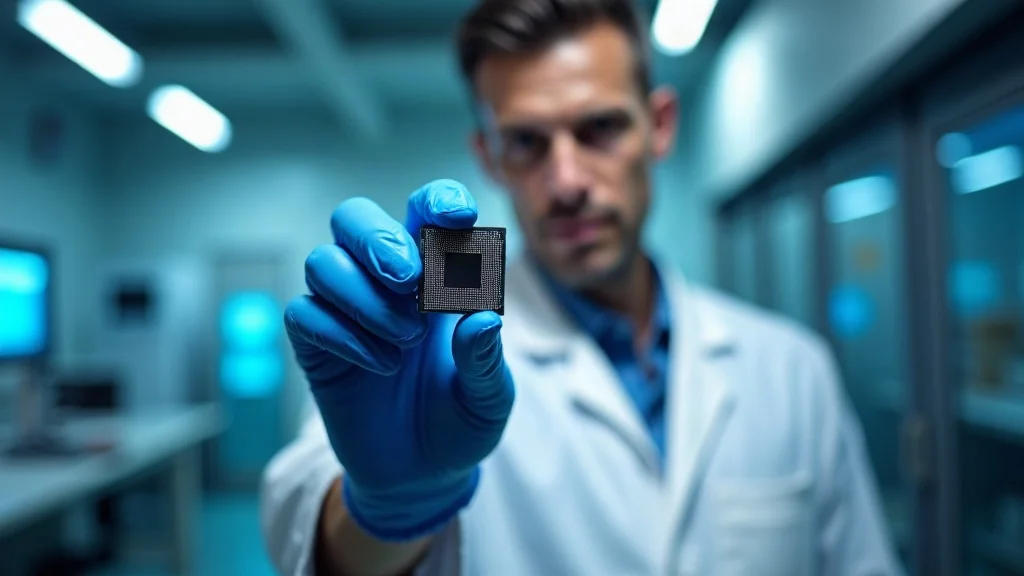
Embrace the Future: Discover the Impact of U.S. Semiconductor Manufacturing Capacity
The expansion of U. S. semiconductor manufacturing capacity isn’t just a headline—it’s a pivotal turning point for American innovation, global supply-chain resilience, and the triumph of the American spirit. Want to see what the future holds? Sign up for our technology insights newsletter and receive exclusive reports on the evolution of America’s chip industry, direct from our experts. Together, let’s celebrate American ingenuity and shape tomorrow’s digital world.
If you’re interested in how these manufacturing shifts intersect with broader economic trends and regulatory changes, there’s even more to uncover. The world of global trade is evolving rapidly, and understanding the latest trade regulations and market movements can provide a strategic edge for anyone invested in technology or supply chains. For comprehensive coverage and expert perspectives on these critical topics, visit Global Trade News and stay ahead of the curve as the landscape continues to transform.




Write A Comment