








Add Row
Add Element
Global Trade News
update
Global Trade News
update
Add Element
SCHEDULE YOUR INTERVIEW 
  • Home
  • Categories
    • Policy Pulse
    • Compliance Corner
    • Market Movers
    • Trade Trends
    • Export Essentials
    • Import Insights
    • Regulatory Roundup
    • Global Trade News Blog
    • More Spotlights
    • More Videos
  • update
  • update
  • update
  • update
  • update
  • update
  • update
May 01.2025
2 Minutes Read

International Investors Navigate New Travel Challenges for Berkshire Hathaway Annual Meeting

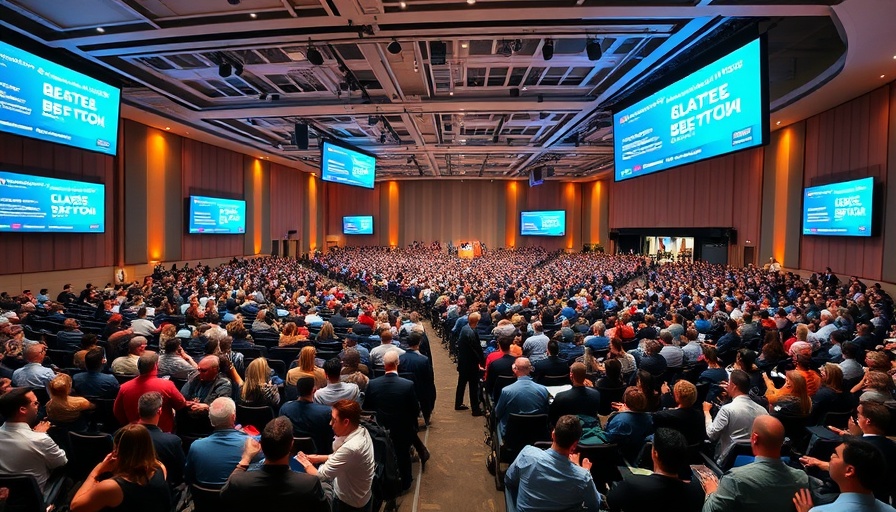
Global finance conference in crowded auditorium with attendees.

Why Berkshire Hathaway's Annual Meeting Matters

Every year, the Berkshire Hathaway annual meeting in Omaha, Nebraska, draws attention from across the globe, often referred to as the "Woodstock for Capitalists." This iconic event presents shareholders not just a chance to hear from Warren Buffett, but also an opportunity to connect with like-minded individuals about investing and finance. However, this year, international attendees face unique challenges that have left many contemplating their travel plans.

Political Climate and Travel Concerns

The increasing tension between the United States and various countries, especially China, has made international travel more daunting. For example, Chinese investors like Xin Jin, who once felt a strong urge to attend, now describe their visits as filled with uncertainty. This feeling is echoed among other investors who are hesitant about crossing borders due to the potential for issues with customs and international relations.

Impacts on Shareholder Demographics

Investors from abroad often find themselves in a dilemma, weighing their admiration for Buffett against the backdrop of changing geopolitical landscapes. According to finance expert David Kass, the demographic of attendees has shifted increasingly toward a younger international crowd. This shift suggests that despite the obstacles, the allure of Buffett's wisdom and the community he gathers remains enticing.

No More Guided Tours?

A troubling trend for foreign shareholders this year is the significant decrease in organized trips to Omaha. Historically, many agencies have helped international investors navigate their way to the event; however, the current climate has created hesitance among these organizations, complicating the travel plans of eager attendees. This could mean fewer international voices at the meeting, which typically stirs vibrant discussions around business and investing.

The Broader Picture of Global Finance

These travel concerns are part of a larger narrative in global finance. The sense of unease surrounding travel reflects a broader concern about international investment in the U.S. market. The recently heightened tensions do not just affect Berkshire's meeting but have implications for future trade relations and investment opportunities. It's crucial that shareholders remain informed about these shifts to make educated decisions regarding their investments.

Wrap-Up: The Road Ahead for Investors

As we approach this year's meeting, it's more important than ever for international investors to stay proactive. Understanding the political framework and market conditions can help them articulate their investment strategies wisely, despite external pressures. Whether they are attending in person or participating virtually, these shareholders embody the tenacity of global investing, reminding us all of the interconnectedness of our financial pursuits.

Market Movers

86 Views

Write A Comment

*
*
Related Posts All Posts
01.21.2026

Metalformers Report Decline in Shipments but Optimism for 2026

Explore the latest insights from metalformers as they report declining shipments, yet anticipate improved economic conditions, highlighting the impact of tariffs and workforce trends.

01.18.2026

Manufacturers Navigate Shifting Economic Conditions: Insights for November 2025

Manufacturers' outlook for economic activity remains steady, despite a dip in shipping levels. Explore detailed insights and trends impacting the metal forming industry.

01.16.2026

Goldman Sachs CEO Explores Future of Prediction Markets: What It Means for Investors

Update The Shift Toward Prediction Markets: A New Frontier for Goldman Sachs In a significant move reflecting the evolving landscape of finance, Goldman Sachs CEO David Solomon recently announced that the investment bank is exploring opportunities in prediction markets. This engagement with prediction markets signifies a growing institutional interest in financial avenues that have historically been relegated to the fringes. Over the last few weeks, Solomon has met with leaders from two prominent prediction market companies, demonstrating the bank's proactive approach to potential new revenue streams. What Are Prediction Markets and Why Are They Gaining Traction? Prediction markets are platforms where participants can buy and sell contracts based on the outcomes of future events, like elections or market trends. Companies like Kalshi and Polymarket are at the forefront of this financial innovation, allowing traders to speculate on events that extend beyond conventional market predictions. This form of trading has garnered increased attention due to its unique approach to aggregating information and forecasting outcomes, often more accurately than traditional polling methods. Institutional Interest: Goldman’s Calculated Exploration The strategic interest from Goldman Sachs isn’t just about entering prediction markets; it illustrates how these markets may increasingly resemble traditional financial instruments. Solomon noted that some prediction contracts operate under the oversight of the Commodity Futures Trading Commission (CFTC), likening them to derivative contracts familiar to Wall Street investors. In context, both the growth of prediction markets and the backing of regulatory bodies such as the CFTC point to a more significant acceptance of these platforms within mainstream finance. The Regulatory Landscape: Opportunities and Challenges As Goldman Sachs delves deeper into prediction markets, they are also acutely aware of the regulatory landscape. The ongoing discussions in Washington around the Digital Asset Market Clarity Act highlight how banks and cryptocurrency entities are navigating complex and often conflicting regulatory environments. Solomon’s discussions with policymakers underscore the bank’s commitment to doing due diligence in assessing how prediction markets can align with existing regulations. What Does This Mean for Investors? For individual investors and traders, Goldman Sachs’ foray into prediction markets may indicate an impending shift in how investment strategies are developed and employed. This move could lead to more robust offerings that integrate traditional asset classes with innovative financial products like prediction contracts. While Solomon cautioned that widespread adoption may take time, the implications for investors are clear: as institutional interest grows, so too does the potential for innovation in how markets operate. A Future to Watch: Key Takeaways Goldman Sachs’ exploration of prediction markets is reflective of broader trends in global finance that prioritize innovative methodologies for trading and investing. If successful, Goldman’s entrée into this space may encourage other financial institutions to follow suit, potentially reshaping the investing landscape for retail and institutional investors alike. As these developments unfold, staying informed about prediction markets will become increasingly important for investors keen to capitalize on emerging trends.

Terms of Service

Privacy Policy

Core Modal Title

Sorry, no results found

You Might Find These Articles Interesting

T
Please Check Your Email
We Will Be Following Up Shortly
*
*
*