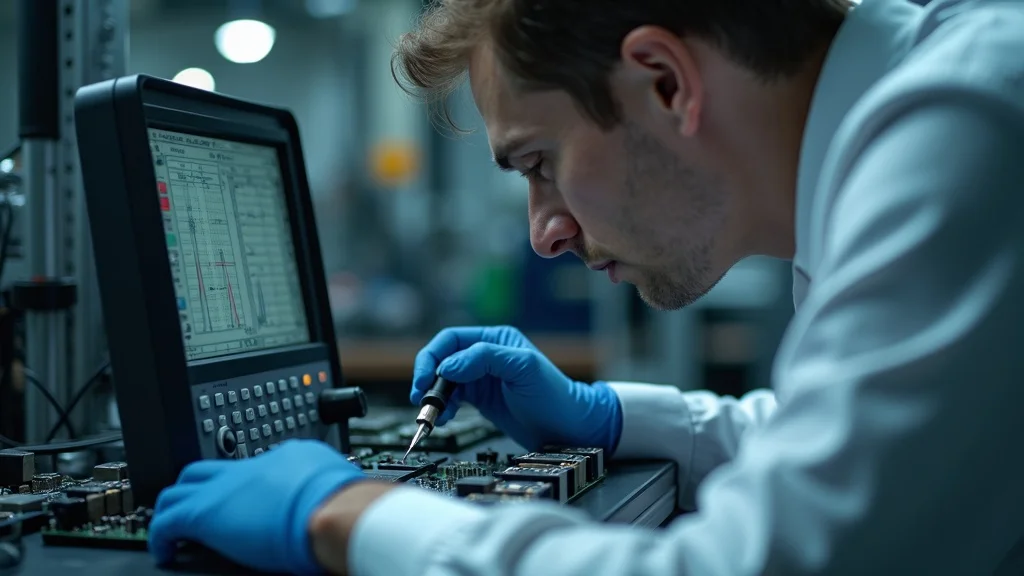
Add Row
Add Element
Global Trade News
update
Global Trade News
update
Add Element
SCHEDULE YOUR INTERVIEW 
  • Home
  • Categories
    • Policy Pulse
    • Compliance Corner
    • Market Movers
    • Trade Trends
    • Export Essentials
    • Import Insights
    • Regulatory Roundup
    • Global Trade News Blog
    • More Spotlights
    • More Videos
  • update
  • update
  • update
  • update
  • update
  • update
  • update
October 20.2025
6 Minutes Read

Insights from a Servo Motor Repair Industry Veteran: Trends, Challenges, and Opportunities

Did you know that over 80% of industrial automation relies on servo motors, yet many manufacturers face costly downtime due to motor failures? Understanding the nuances of servo motor repair expert insights is critical to maintaining operational efficiency in today’s fast-paced manufacturing environment. This article delves into the intricate world of servo motor repair, revealing the expertise, challenges, and advancements shaping the industry through the perspective of Michael Norman, the seasoned professional behind ServoTech Incorporated.

What You'll Learn: Key Insights from a Servo Motor Repair Expert

  • The evolution and importance of servo motor repair services in modern manufacturing

  • Common motor failure causes and how expert repair services address them

  • Challenges faced by the servo motor repair industry, including workforce and supply chain issues

  • Technological advancements and capabilities that set leading repair services apart

  • Best practices and actionable tips for maintaining servo motors to prevent costly downtime

Overview of Servo Motor Repair Services and Industry Trends

Defining Servo Motor Repair and Its Role in Industrial Automation

Servo motor repair involves comprehensive refurbishment of high-precision motors integral to automated manufacturing equipment. These motors operate as closed-loop systems, integrating sophisticated feedback devices to allow precise control over machine movements, such as indexing and rotary tables, CNC machines, and robotic arms. The repair process requires restoring critical components like stator windings, bearings, encoders, and electronic feedback systems to factory specifications to ensure optimal performance and extended equipment lifespan.

Michael Norman of ServoTech states that their approach goes beyond simple fixes: they "treat the unit as a whole, refurbishing your entire motor back to factory specifications rather than just fixing what's wrong." This comprehensive service mitigates recurring failures and helps prevent unscheduled machine downtime, which can be financially crippling for manufacturers relying on continuous production lines.
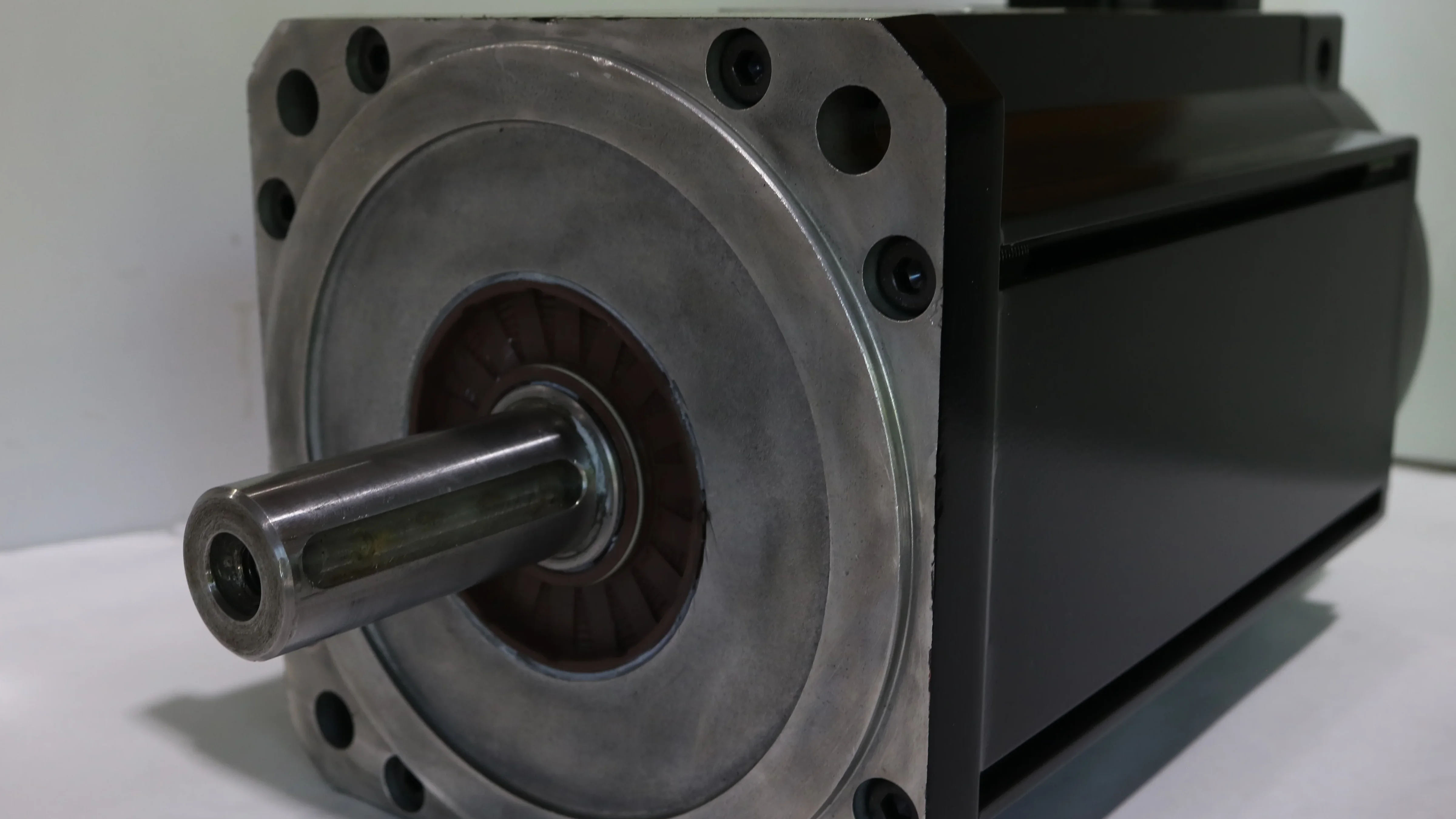
Current Trends in Servo Motor Repair Services

The servo motor repair industry is evolving alongside advancements in industrial automation. Today's machines employ increasingly sophisticated motors equipped with advanced encoders and electronic feedback systems, requiring specialized diagnostic and programming capabilities. Industry leaders invest heavily in proprietary software and diagnostic tools to troubleshoot, refurbish, and reprogram motors and encoders from a wide variety of manufacturers, including FANUC, Yaskawa, Panasonic, Mitsubishi, Siemens, and Allen-Bradley.

Michael points out, “We invest heavily in equipment and software, spending around $10,000 a month to stay current with over 100 manufacturers worldwide.” This ongoing investment allows ServoTech to provide precise repairs and encoder programming and calibration that many competitors cannot match.

Common Motor Failure Issues and Repair Solutions

Typical Causes of Motor Failure in Servo Motors

Servo motors can fail for many reasons, often related to harsh industrial environments and prolonged wear. Common issues include winding insulation degradation, bearing wear, encoder failures, electronic component damage, and overheating. Physical damage caused by improper handling or machine malfunctions also contributes to motor breakdowns. Early diagnosis is critical to prevent collateral damage to expensive machinery and costly production downtime.

Michael describes the complexity of these failures, stating that “encoder feedback devices can transmit up to 1.4 million pulses per revolution, so precision diagnosis and repair of these components is essential.” Understanding these failure modes allows repair experts to tailor accurate, long-lasting solutions rather than superficial fixes.

Industrial technician inspecting a burned out, damaged servo motor in workshop

How Expert Motor Repair Services Diagnose and Fix Motor Issues

Common Motor Failure

Repair Technique

Result / Benefit

Winding insulation failure

Complete rewind of stator coils using precision tools

Restores motor electrical integrity, lasting durability

Bearing degradation

Replacement with OEM-grade bearings and precision fitting

Reduces noise, vibration, and premature wear

Encoder malfunction

Diagnostic testing and programming or replacement of encoders

Ensures accurate feedback for closed-loop control

Electronic component damage

Comprehensive electronic board repair or replacement

Restores motor control functions and communication

Physical damage and wear

OD grinding and mechanical refurbishment

Extends mechanical life, improves fit and running smoothness

Challenges Facing the Servo Motor Repair Industry Today

Workforce Shortages and Changing Work Ethic

The servo motor repair industry is confronting a significant workforce challenge. Finding skilled technicians with both mechanical and electronic expertise is increasingly difficult. Michael Norman shares, “Help is hard to find; I have to hire 10 to 15 people to get one good employee. Today's workforce mindset is very different from what we had.”

This shortage impacts turnaround times and the ability to scale operations. Veteran technicians with deep knowledge are rare, and companies struggle to attract younger workers who often prioritize work-life balance differently, complicating operational sustainability.

Supply Chain Disruptions and Tariff Impacts on Repair Services

Supply chain disruptions and tariffs have added new complexities to repair services. Many critical components such as encoders and electronic parts are imported from countries like Japan, Germany, and Taiwan. These imports are subject to tariffs that increase costs, which are often passed on to customers.

Michael explains, “I am for the tariffs because the long-term gains for the United States will help us. Short term, it’s Fcrippling the industry.” He notes that tariffs add about 10% to costs but believes encouraging domestic manufacturing is vital for America's industrial future.

Technological Capabilities and Competitive Advantages in Servo Motor Repair

Advanced Diagnostic Tools and Software for Servo Motor Repairs

Today's servo motor repair services rely on cutting-edge diagnostic tools that test motors dynamically on factory drives, analyze vibration and balance, and calibrate complex encoders. Michael emphasizes the importance of owning a broad spectrum of software and test equipment to service over 100 manufacturers globally.

This advanced testing ensures every motor is returned in "like-new condition," minimizing repeat failures and maximizing customer trust and uptime.
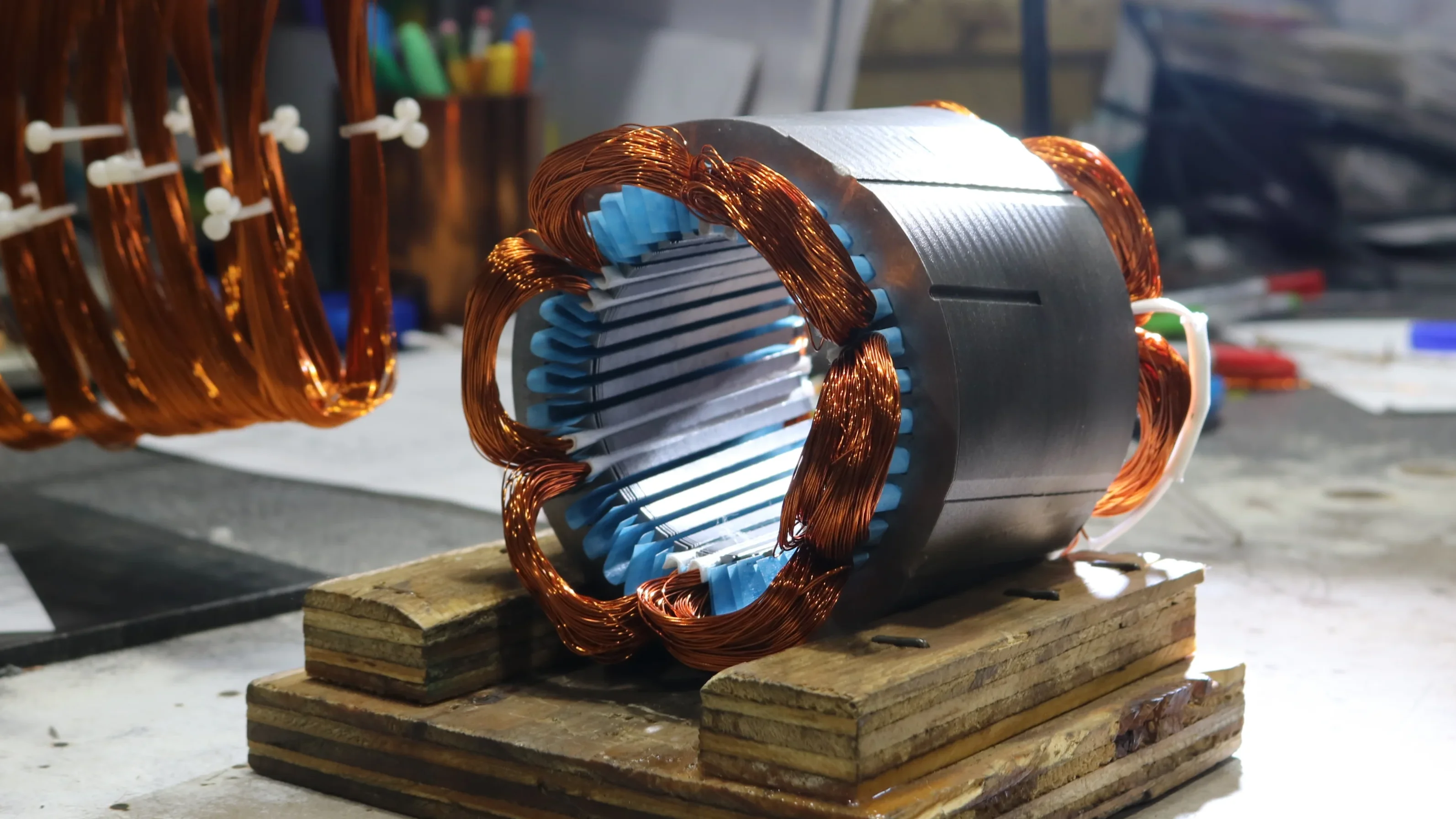
How ServoTech USA Stands Out Among Competitors

Unlike companies that stockpile inventory, ServoTech focuses on technical mastery and comprehensive refurbishment. Michael explains, “We don’t keep a million dollars worth of stock because that’s not in our wheelhouse. Instead, we provide capabilities that others lack and do better work.”

This client-first philosophy means ServoTech will work with customers to find exactly what they need and find a solution that works for everyone, ensuring reliability and satisfaction.


Servo motor repair team celebrating successful motor refurbishments in industrial facility

Best Practices and Preventive Maintenance for Servo Motors

Routine Maintenance Checklist to Avoid Motor Failures

Preventive maintenance is crucial to reducing downtime and extending motor lifespan. A systematic approach includes regular inspection of critical components and feedback devices, timely replacement of worn parts, and using OEM components during repairs.

After repair, dynamic testing on factory drives verifies motor performance before returning units to service, securing smooth operation in automation systems.

Tips from Industry Experts on Extending Servo Motor Lifespan

  • Regular inspection of encoders and feedback devices

  • Timely replacement of worn components

  • Use of OEM parts for repairs and replacements

  • Dynamic testing on factory drives post-repair

  • Maintaining detailed service records


Technician performing precise encoder testing in servo motor repair lab

People Also Ask (PAA): Common Questions About Servo Motor Repair

  • What are the signs that a servo motor needs repair? Unusual noises, overheating, inconsistent motor performance, and error codes from the machine’s control system often signal required repairs.

  • How long does a typical servo motor repair take? Most standard repairs are completed within 5 to 10 business days, after an evaluation period of up to around 3 days. Along with a rapid response option that will have the motor refurbished in 48 hours as long as parts are in stock, after receiving the PO or acknowledgement from the customer.

  • Can all servo motors be refurbished to factory specifications? Expert services refurbish motors to meet or exceed factory specs, ensuring long-term reliability.

  • What is the warranty on repaired servo motors? Leading repair firms like ServoTech offer up to a one-year warranty from the date of installation.

  • How do tariffs affect the cost of servo motor repair services? Tariffs on imported parts add around 10-15% to parts costs, reflected in service pricing but support domestic industry revival.

Key Takeaways from a Servo Motor Repair Industry Veteran

  • Servo motor repair requires comprehensive refurbishment, not just quick fixes.

  • Workforce challenges and supply chain issues are significant hurdles in the industry.

  • Investing in advanced diagnostic tools is essential to maintain competitive repair services.

  • Preventive maintenance is critical to reduce costly downtime and extend motor life.

  • Tariffs, while increasing short-term costs, may encourage domestic manufacturing growth.

Conclusion: Embracing Expertise and Innovation in Servo Motor Repair



Mike of ServoTech USA concludes, "This client-first philosophy means Servotech will work with customers to find exactly what they need and find a solution that works for everyone, ensuring reliability and satisfaction." Prioritizing deep expertise, technological investment, and honest customer commitment is key to thriving in the servo motor repair industry.

Call to Action

  • Contact ServoTech USA to learn more about expert servo motor repair services.

  • Schedule a consultation to discuss your motor repair needs and minimize downtime.

  • Subscribe to our blog for ongoing insights and updates in industrial motor repair.

Sources:

  • https://servotechusa.com

  • https://globaltradenewsus.com

More Spotlights

145 Views

Write A Comment

*
*
Related Posts All Posts
01.19.2026

Understanding How Direct Ship℠ Can Lower Production Costs for Manufacturers

Update Understanding How Direct Ship℠ Can Lower Production Costs for ManufacturersIn today's ever-changing landscape of international trade, manufacturers are facing more challenges than ever before. Fluctuating trade agreements and tariffs can complicate the procurement of materials and significantly elevate production costs. For manufacturers, finding an efficient way to manage these costs is vital for staying competitive in the global market.Why Tariffs Matter in ManufacturingThe rapid pace at which tariffs are introduced and modified can lead to increased costs for businesses relying on foreign suppliers. For instance, as of early April 2025, products originating from China are subject to hefty tariffs, whereas certain products from Canada and Mexico are exempt under trade agreements like the USMCA. These incentives can lead manufacturers to adjust their sourcing strategies, making it crucial to stay informed about changing policies and regulations.MacroFab’s Innovative Direct Ship℠ ServiceTo address these challenges, MacroFab has developed a unique service known as Direct Ship℠. This service allows manufacturers to sidestep high-tariff regions by procuring materials in the countries that offer favorable tariff rates. This means that products can be assembled and shipped directly from the factory to the desired location, effectively reducing total deliverable costs.Direct Ship℠ significantly benefits medium to high-volume production lines, especially those operating with a considerable portion of their costs tied to material pricing. By directing procurement to lower-cost regions, manufacturers can see substantial savings without compromising the quality of their products.The Benefits of Using MacroFab’s Direct Ship℠Adopting MacroFab’s Direct Ship℠ empowers manufacturers with numerous advantages:Instant Quoting: Get quick estimates for production costs, helping you budget effectively.Real-Time Supply Chain Insights: Monitor tariffs and changes in material costs, allowing for informed decision-making.Order Visibility: Track your orders from start to finish, reducing uncertainties in the supply chain.Streamlined Communication: Have a single point of contact for support, simplifying the management process.Actionable Insights for ManufacturersFor manufacturers considering the shift to Direct Ship℠, it's crucial to analyze your bill of materials. Products where components account for over 60% of the total cost can see significant benefits from this service. By planning strategically, companies can transition their supply chain to take advantage of more favorable tariffs and maintain competitive pricing in a fluctuating market.The Future of Manufacturing with Direct Ship℠As international trade continues to evolve, manufacturers must stay agile and responsive. Embracing services like Direct Ship℠ not only alleviates the burden of high tariffs but also fosters deeper relationships with suppliers across various regions. This approach can lead to a sustainable, long-lasting competitive advantage.If you are a manufacturer looking to streamline your production costs and adapt to changing trade relationships effectively, consider integrating MacroFab's Direct Ship℠ into your operations. Reducing production costs isn’t just about cutting prices; it’s about strategic planning and smart sourcing, ensuring your business can thrive even in challenging conditions. Contact MacroFab today to discover how Direct Ship℠ can transform your manufacturing process.

01.19.2026

How Manufacturers Can Navigate the New 2025 Tariffs Landscape

Update Understanding the 2025 Tariffs Landscape The year 2025 has already set a precedent for rapid changes in trade policies, with tariffs fluctuating unpredictably. For manufacturers, these shifts create a landscape that necessitates quick adaptations. As tariffs increase—especially on imports from China—businesses are compelled to reevaluate their sourcing strategies to safeguard their margins and ensure continuity in production. What Tariffs are Impacting Manufacturers? As of April 2025, manufacturers face particularly steep tariffs impacting key materials. Notably, China is subject to aggressive 145% tariffs on numerous electronics. Additionally, a flat 25% tariff on aluminum and steel imports across all nations adds to the burden. The removal of tariffs on Canada and Mexico complicates the equation further and requires various stakeholders to stay updated on the latest tariff shifts. Utilizing Technology in Tariff Management Manufacturers can leverage cutting-edge platforms such as MacroFab to counteract tariff implications. The FabIQ AI Engine aids in analyzing Bills of Materials (BOMs) and incorporates real-time tariff changes, thus enabling businesses to respond to pricing dynamics swiftly. By using MacroFab's tools, manufacturers can gain cost transparency and lock in pricing through Tariff ProtectionSM, reducing their exposure to abrupt cost increases. Adaptive Strategies for Smarter Sourcing The current tariff-heavy market demands a strategic approach to sourcing. Here are some actionable tips for manufacturers: Quote Early: Since prices can shift within days, it’s crucial to get quotes frequently. Focus on Domestic Sources: Whenever possible, prioritize U.S. or USMCA-compliant suppliers to mitigate tariff impacts. Optimize Your BOM: Utilize automated tools for BOM optimization to minimize part counts or substitute components for lower tariffs. Benefit from Direct Shipping: Embrace solutions like MacroFab’s Direct ShippingSM, which can streamline logistics and maintain cost-effectiveness. Why Adaptability is Key The days of inflexible supply chains have passed. Companies that achieve success in 2025 will be those that can adapt with agility. This involves not only a keen understanding of current tariffs but also forecasting potential future shifts. Smart manufacturers are investing in adaptable design and sourcing strategies that make it easier to pivot whenever necessary. Looking Ahead: Future Tariff Trends The trend toward tighter tariffs is likely to continue, especially under policies focused on reducing reliance on foreign components. Industry leaders anticipate new tariffs may emerge, impacting everything from semiconductors to renewable energy technologies. As these developments unfold, manufacturers must stay proactive and prepare to reassess their supply chains. Transforming Challenges into Opportunities The current tariff environment represents both a challenge and an opportunity for manufacturers. By prioritizing smart sourcing strategies and leveraging technology, they can turn uncertainties into a competitive advantage. Engaging with solutions like those offered by MacroFab can offer insights and flexibility crucial for steering clear of tariff pitfalls. Manufacturers are therefore encouraged to not only adapt but optimize their operations to withstand the evolving tariff landscape, ensuring a resilient and responsive production environment.

01.19.2026

Unlock Stable Production Costs with Tariff Protection Now!

Update Understanding Tariff Protection: Your Path to Stable Pricing In today's volatile trade environment, the threat of fluctuating tariffs is a daily challenge for manufacturers, especially in the electronics sector. As prices change unpredictably due to tariff policy shifts, engineers and companies face one looming question: how can they lock in their production costs without the worry of unexpected price hikes? MacroFab has stepped up to provide a solution that introduces clarity and stability to manufacturers in these uncertain times. The innovative firm is using advanced technology to analyze tariffs that impact components and materials used in electronic products, enabling manufacturers to see how tariffs could affect their overall costs. Leveraging AI for Cost Transparency At the heart of MacroFab's offering is the FabIQ platform, which provides real-time insights into tariff fees that might affect your products. By evaluating over 75,000 products along with strong partnerships with leading trade data companies, the platform empowers manufacturers to anticipate costs effectively. The AI-driven engine is not just about calculating costs; it also helps identify alternatives with potentially lower tariffs, ensuring that engineers can maintain budget control. This seamless integration of AI allows businesses to effortlessly navigate modern production complexities without losing sight of their financial goals. Introducing Tariff Protection Service Perhaps the most significant shift in MacroFab's offering is the launch of its Tariff Protection service for all pre-paid orders. This service guarantees that, regardless of how tariffs change post-order, manufacturers will not be charged extra. Here’s how it works: The MacroFab Platform provides a detailed itemized quote that breaks down estimated tariff fees. Customers pay for their order in full at the time of purchase. If tariffs increase after the order is placed, the original delivered price remains unchanged. This initiative significantly alleviates the anxiety associated with tariff volatility, allowing engineers and companies to focus on what they do best: building innovative products. The Need for Predictable Manufacturing Costs The recent tariff policies that have reshaped the landscape for printed circuit board (PCB) manufacturing must be considered. Rising costs and changing regulations have driven many manufacturers toward increased anxiety about budgeting. As reported, many companies have encountered profit margin squeezes due to tariffs increasing the cost of raw materials significantly. Understanding and strategically navigating these costs using tools like MacroFab's Tariff Protection can be critical for manufacturers looking to preserve their profitability. In today’s market, having a stable path for production pricing can be the difference between success and failure. Looking Ahead: Why Locking in Prices Matters As tariffs continue to evolve, manufacturers need to be proactive rather than reactive. By using innovative services that offer cost predictability like MacroFab's, businesses can position themselves to respond to competitive pressures effectively. Locking in your pricing not only allows for budgetary certainty but also grants peace of mind. If you have a build coming up, now is the right time to take charge. Avoid tariff dilemmas by securing your order with MacroFab's Tariff Protection and let them manage the risk for you. Conclusion: Your Next Steps in Navigating Tariff Challenges For manufacturers looking to thrive amidst the turmoil of fluctuating tariffs, embracing smart solutions that foster transparency and reliability is imperative. MacroFab’s Tariff Protection service exemplifies how innovative technology can drive success in a challenging economic environment. Don’t let the unpredictability of tariffs hold you back in your production journey. Connect with MacroFab today to lock in your pricing and give your business the competitive edge it needs.

Terms of Service

Privacy Policy

Core Modal Title

Sorry, no results found

You Might Find These Articles Interesting

T
Please Check Your Email
We Will Be Following Up Shortly
*
*
*