Global Trade News
Global Trade News
SCHEDULE YOUR INTERVIEW 
  • Home
  • Categories
    • Policy Pulse
    • Compliance Corner
    • Market Movers
    • Trade Trends
    • Export Essentials
    • Import Insights
    • Regulatory Roundup
    • Global Trade News Blog
    • More Spotlights
    • More Videos
August 14.2026
11 Minutes Read

How to Choose the Right OEM Contract Manufacturer Now

Imagine launching your breakthrough product only to face costly delays, quality issues, or a breach of confidentiality due to the wrong manufacturing partner. Choosing the right OEM contract manufacturer is a critical decision that can define your product’s reputation, supply chain strength, and long-term business success. This comprehensive guide demystifies the OEM contract manufacturing landscape, helping original equipment manufacturers (OEMs) select partners who don’t just assemble components—they safeguard your vision, intellectual property, and future growth.

Introduction to OEM Contract Manufacturer Selection

In today’s global market, the stakes for picking a reliable OEM contract manufacturer have never been higher. An effective OEM and contract manufacturing partnership not only ensures your products are built with precision, but also upholds the values of your brand through quality control, compliance, and proactive communication. The best manufacturing partner becomes an extension of your own operations—able to scale on demand, maintain confidentiality, and consistently deliver to specification. As OEMs face expanded product lines and more complex supply chain requirements, the selection process must prioritize not just price and capability, but trust and adaptability for the long haul.

In this guide, we’ll break down the core differences between contract manufacturing and OEM models, walk you through vital criteria to evaluate, and give you a candid look into what makes an OEM-ready partner. You’ll gain practical insights on auditing facilities, securing your intellectual property, and building collaborative frameworks for successful product development and launch. Whether you’re scaling up or re-evaluating your existing relationships, these actionable strategies ensure every OEM can select a manufacturing partner who will meet current needs and grow with your ambitions.

oem contract manufacturer meeting for product design and manufacturing services in a modern boardroom, professionals reviewing blueprints

What You'll Learn in This OEM Contract Manufacturer Guide

  • How contract manufacturing and OEM contract manufacturers differ and align

  • What makes an OEM-ready contract manufacturer

  • The evaluation process for selecting a manufacturing partner

  • Key relationship dynamics for long-term, reliable partnerships

  • Insights into confidentiality, quality control, and communication

Understanding OEM Contract Manufacturer Models

Defining Contract Manufacturing and OEM Contract Manufacturer Roles

At the core of every supply chain is the relationship between OEMs (Original Equipment Manufacturers) and their contract manufacturers. Though often used interchangeably, these terms refer to distinct roles within product development and manufacturing. An OEM contract manufacturer is a specialist entity that produces goods or components based on the OEM’s unique product design, specifications, and intellectual property mandates. Unlike generic manufacturing, the OEM model involves a deep partnership: the OEM retains intellectual property ownership, sets the product specification, and controls quality, while the contract manufacturer provides the logistics, expertise, and resources to realize the finished product at scale.

The contract manufacturing model is attractive to OEMs looking to leverage external capabilities without incurring the initial cost of building manufacturing facilities from scratch. By delegating production to skilled partners, OEMs can reduce lead times, manage inventory flexibly, and concentrate resources on product dev, marketing, and support. Choosing between contract manufacturing and direct production comes down to factors like product type, compliance requirements, and long-term strategic goals. In all cases, the right manufacturing partner should demonstrate capacity for product development, a record of on-spec manufacturing, and a history of upholding property rights and confidentiality.

Key Criteria for Selecting an OEM Contract Manufacturer

Assessing the Manufacturing Services Portfolio

Before entering any OEM contract, it’s vital to evaluate the breadth and depth of the manufacturing services on offer. Top-tier contract manufacturers should not only provide the machinery and capacity necessary for original equipment builds, but also show expertise in product dev, rapid product development, and scaling operations to match varying demand. Scrutinize their experience with similar product types and their ability to transition from early-stage prototyping to full-scale production seamlessly. Assess whether their manufacturing model supports customization, advanced product design needs, and efficient supply chain integration for finished products and components alike.

A robust OEM contract manufacturer partners with you during product development, helps refine your specifications, and offers valuable process improvements. Look at how thoroughly they understand your specific product, their responsiveness on lead times, and the effectiveness of their product specification controls. Mastery of both automated and manual manufacturing techniques, as well as flexible adaptation for product type changeovers, signals a partner who can scale with your business and absorb shifts in market or technology trends.

  • Breadth of manufacturing services and oem manufacturing capabilities

  • Experience with original equipment

  • Product dev and product development processes

When evaluating potential partners, it's also helpful to stay informed about the latest shifts in global trade and manufacturing trends. For timely updates and in-depth analysis on how international regulations and market dynamics can impact your OEM contract manufacturing decisions, consider exploring Global Trade News for expert perspectives.
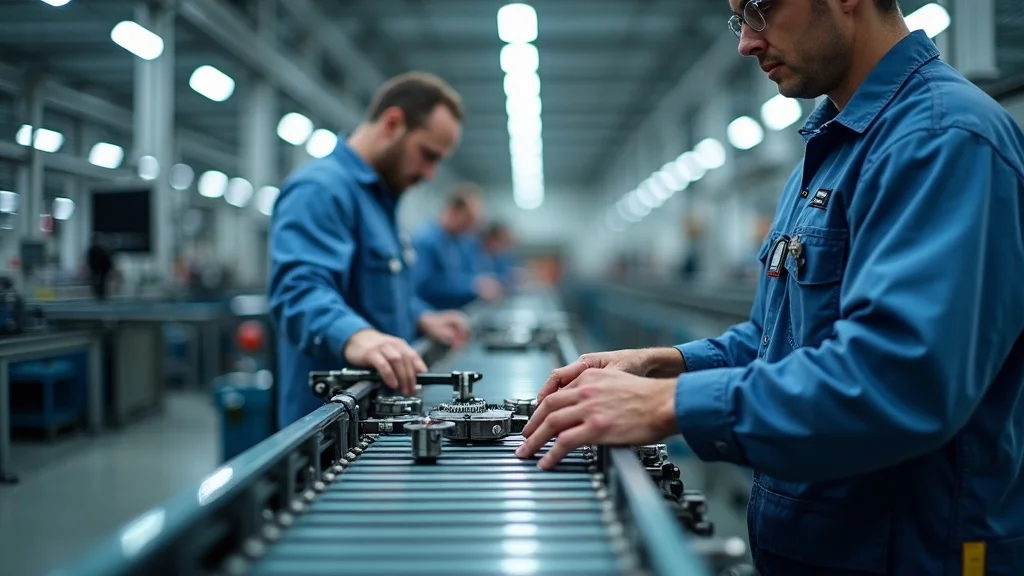
contract manufacturer assembly line modern oem manufacturing services with skilled operators and automated equipment

Criteria

Why This Matters

Questions for the Partner

Quality Control & Compliance

Ensures the finished product meets your spec and market regulations

How are non-conformances managed and reported?

Manufacturing Services Portfolio

Supports your product dev cycle from prototype to mass production

What capabilities are in-house vs. outsourced?

Intellectual Property Protection

Protects your design, trade secrets, and competitive edge

How is IP managed across borders and teams?

Scalability

Aligns with your planned growth and demand fluctuations

What’s the largest production increase managed to date?

Communication & Collaboration

Prevents delays and errors during product development and delivery

What reporting structures are in place for OEMs?

Quality Control & Compliance in OEM Contract Manufacturing

Stringent quality control lies at the center of every successful OEM and contract manufacturing partnership. Your chosen partner should have documented, transparent quality control processes—from incoming material inspection to in-process checks and comprehensive final testing. Compatibility with your industry’s compliance requirements, such as ISO certifications, RoHS, or FDA standards, is essential, especially when products cross international borders. Look for an OEM contract manufacturer with a proven track record, a willingness to share quality metrics, and a commitment to proactive problem-solving throughout the manufacturing process.

As one manufacturing director notes:

"Our approach to quality control is defined by the same standards our OEM partners demand. Consistency and transparency are non-negotiable." – Manufacturing Director

This attitude is what enables trust, reduces costly recalls, and assures OEMs that products will be delivered on time, every time, to agreed specifications. The ideal manufacturing partner will invite audits, continuously optimize for precision and cost, and implement digital tracking for error reduction and process improvements.

Intellectual Property and Confidentiality with OEM Contract Manufacturers

Safeguarding intellectual property is non-negotiable in OEM and contract manufacturing. OEMs must ensure that their design files, proprietary processes, and unique product specifications are protected not just in contracts, but embedded in every level of the partnership. This is particularly critical in cross-border supply chains, where intellectual property rights enforcement can vary.

A trustworthy OEM contract manufacturer recognizes that confidentiality isn’t just a legal requirement, but a pillar of long-term collaboration. Look for partners who enforce NDAs with their teams and offer clear protocols for document control, secure IT infrastructure, and tightly managed access to sensitive production data. Effective management of property rights and clear processes for handling original designs demonstrate a manufacturer’s commitment to protecting your business beyond the initial contract.

intellectual property agreement with oem contract manufacturer, two professionals shaking hands over signed contract in high-tech facility

The OEM and Contract Manufacturer Relationship: Building Trust

Communication, Collaboration, and Setting Expectations

Open communication and clear expectations are vital to successful OEM contract manufacturer relationships. Proactive dialogue prevents misalignments on specifications, production timelines, and quality benchmarks, reducing the risks of errors and delays. Successful OEMs and contract manufacturers hold regular checkpoints, use shared tracking platforms, and support direct feedback cycles. Jointly defined performance indicators and well-established reporting structures help both sides react quickly when issues arise, fostering a culture of continuous improvement.

  • The role of proactive communication in contract manufacturing

  • Key performance indicators and reporting structures

  • Establishing clear product specs and revisions

Setting clear product specs and proactive revision control ensures that both the OEM and their manufacturing partner can navigate iterations and scaling demands smoothly. By fostering collaboration from product dev stages through to final shipment, OEMs minimize lead times and maximize the competitive advantages of their finished product. The result is a partnership capable of thriving in even the most dynamic markets.

Long-Term Partnership and Scalability with an OEM Contract Manufacturer

Scalability is a hallmark of a top OEM contract manufacturing relationship. As your product line evolves and market demand shifts, your contract manufacturer must be agile enough to ramp up production, integrate new technologies, and adopt revised product development workflows. The best long-term partnerships are founded on shared growth, with both parties investing in process innovation and supply chain improvements that allow for fast pivots.

"They grew alongside us, scaling production and staying agile to our changing requirements. That’s a true OEM contract manufacturing partner." – OEM Executive

This level of agility and cooperation not only accelerates time-to-market for new product types, but also locks in a competitive edge as the industry evolves. Choose a partner with a demonstrated ability to scale and allocate resources strategically—not just the lowest initial cost provider. Their ability to adapt, anticipate your needs, and remain committed through every stage of your business lifecycle signals true OEM-ready capability.

Evaluating and Auditing Your Potential OEM Contract Manufacturer

How to Conduct Facility Audits and Performance Assessments

A hands-on facility audit is an indispensable part of partnering with any OEM contract manufacturer. Start with a detailed checklist covering manufacturing services, equipment maintenance, worker training, and safety compliance. Besides technical capabilities, observe the organization’s approach to quality control, documentation, and real-time operational monitoring. Interviewing frontline staff and managers uncovers not just what is possible, but how your prospective partner puts their policies into practice day-to-day.

  1. Prepare a checklist for manufacturing services and quality control capabilities

  2. Interview frontline staff and managers

  3. Review documentation for compliance and intellectual property protection

  4. Assess supply chain strength and resilience

Strong audit outcomes reveal a contract manufacturer’s readiness to handle original equipment builds, product spec changes, and the strictest confidentiality demands. Reviewing supply chain robustness ensures your project won’t stall due to global disruptions or single-source dependencies. Ultimately, these audits provide confidence that your manufacturing partner can support your business objectives from prototype to full-scale launch.

oem contract manufacturer professional facility audit for quality control and compliance in organized factory

Mitigating Risk: Supply Chain and Intellectual Property Considerations

Preventing Supply Chain Disruptions in OEM Contract Manufacturing

Resilient supply chain strategies are crucial for minimizing risk and ensuring timely delivery in OEM and contract manufacturing. Evaluate your partner’s sourcing policies, backup vendor relationships, and their proactive contingency planning for raw material shortages, geopolitical shifts, or demand spikes. An OEM contract manufacturer with a strong, diversified supply network can adapt to changing circumstances without impacting your finished product lead times or quality.

Transparent inventory management, real-time tracking, and aligned logistics reporting help both OEMs and manufacturers anticipate issues before they become disruptions. When these elements are embedded in your partnership, product development cycles stay on track—even in turbulent global markets.

Intellectual Property Management Across Borders

Globalization amplifies the importance of managing intellectual property rights when working with OEM contract manufacturers. Varying legal frameworks and enforcement practices worldwide expose OEMs to potential risks of property rights breaches, unauthorized duplication, or loss of competitive advantage. Ensure that your partner adheres to international best practices, implements robust IT security, and maintains airtight documentation of every product design revision, whether created locally or abroad.

Regular IP audits and cross-border training solidify your partner’s commitment to upholding intellectual property ownership at every stage. This level of diligence fosters trust and is often seen as a non-negotiable criteria by OEMs making large, recurring contract decisions.

oem contract manufacturer global supply chain management and intellectual property security across borders

People Also Ask: Common OEM Contract Manufacturer Questions

Is contract manufacturer the same as OEM?

No, a contract manufacturer is a company that produces goods on behalf of another company according to specific designs and instructions, while an OEM (Original Equipment Manufacturer) is the company that owns the product design, intellectual property, and market presence. Contract manufacturers handle the production; OEMs manage product development, design, and branding.

Do OEMs use contract manufacturers?

Yes, many OEMs (original equipment manufacturers) use contract manufacturers to leverage specialized manufacturing services, increase efficiency, and scale production. By partnering with OEM contract manufacturers, OEMs can focus on product dev, marketing, and customer relationships while manufacturing partners ensure quality and timely delivery of finished products.

What is an OEM contract?

An OEM contract is a binding agreement outlining the terms under which a contract manufacturer produces goods for an OEM. This contract specifies product specifications, intellectual property protections, quality control procedures, timelines, and pricing. It forms the foundation for protecting property rights and ensuring that both parties understand their responsibilities throughout the manufacturing process.

What is an OEM manufacturer?

An OEM manufacturer, also known as an Original Equipment Manufacturer, is a company that designs, owns, and markets products—often relying on contract manufacturers for production. OEM manufacturers are responsible for product development, defining specifications, and maintaining brand standards, while entrusting actual manufacturing to specialized partners.

Best Practices: Building a Resilient OEM and Contract Manufacturer Partnership

  • Regular performance reviews and feedback cycles

  • Joint innovation sessions for product development

  • Investing in secure communication and seamless onboarding processes

A winning partnership with an OEM contract manufacturer is built on transparency, mutual feedback, and agile processes. Schedule recurring reviews to share performance metrics, resolve issues, and refine product dev workflows as your needs evolve. Joint innovation sessions tap into your partner’s process expertise, accelerating new product launches and solidifying a competitive advantage. Equally, invest in secure, real-time communication platforms for handling sensitive intellectual property and efficiently onboarding new projects or staff.

oem contract manufacturer and oem team collaborative innovation session on product development

Evaluation Item

Criteria Met?

Reviewer’s Notes

Documented quality control procedures

[ ] Yes [ ] No

Strong IP and confidentiality safeguards

[ ] Yes [ ] No

Flexible and scalable manufacturing capacity

[ ] Yes [ ] No

Transparent supply chain oversight

[ ] Yes [ ] No

Effective communication and reporting systems

[ ] Yes [ ] No

FAQs About OEM Contract Manufacturers

  • How do I verify a contract manufacturer’s certifications?
    Start by requesting copies of relevant certificates (ISO, safety, industry-specific) and then confirm their validity with the issuing agency. Arrange on-site audits and talk with customers for independent references. Reliable OEM contract manufacturers are open about their compliance credentials.

  • What legal protections are essential in an OEM contract manufacturer agreement?
    Crucial elements include confidentiality clauses, clear intellectual property rights assignments, defined quality control standards, and dispute resolution mechanisms. Well-structured contracts specify manufacturing process, product design ownership, and recourse in the event of non-compliance.

  • When should an OEM consider switching contract manufacturers?
    Consider a switch if consistent quality issues arise, the partner fails to scale with your growth, or there are breaches of confidentiality or delayed lead times. The ability to adapt and deliver according to your evolving needs is foundational for any manufacturing partner.

Key Takeaways on Choosing the Right OEM Contract Manufacturer

  • OEM contract manufacturer relationships drive product quality and business growth.

  • Due diligence in quality control, intellectual property, and communication pays long-term dividends.

  • The right manufacturing partner will act as a strategic extension of your OEM business.

Next Steps: Find the OEM Contract Manufacturer That’s Right for You

Ready to take your sourcing strategy to the next level? Define your product requirements, assemble your audit checklist, and schedule site visits with shortlisted partners. Consider not just today’s needs, but also tomorrow’s innovation and scaling ambitions as you make your decision.

Have industry insights or news tips? Reach out and join our network of global trade professionals today! Schedule your interview with Global Trade News.

Conclusion: Setting the Standard in OEM Contract Manufacturing

Choosing the right OEM contract manufacturer sets the foundation for resilient, innovative, and mutually prosperous partnerships—merging your vision with their capability to deliver at scale, on spec, and with total trust.

As you refine your approach to selecting an OEM contract manufacturer, remember that staying ahead in today’s fast-evolving trade environment requires more than just operational excellence. For broader context on global trade regulations, market shifts, and strategic supply chain insights that can shape your manufacturing partnerships, visit Global Trade News. Their expert coverage can help you anticipate industry changes, adapt your sourcing strategies, and unlock new opportunities for growth. Take the next step by deepening your understanding of the global forces influencing OEM success—your future-ready manufacturing strategy starts with informed decisions.


Market Movers

63 Views

Write A Comment

*
*
Please complete the captcha to submit your comment.
Related Posts All Posts
09.04.2026

Get Your Factory Automation Solutions Quote Today—Save Big!

Picture this: You’re on the brink of a major transformation. The hum of your facility gets smarter every day, robots glide along production lines, and the future of your manufacturing business hangs in the balance—all depending on one critical step: getting that factory automation solutions quote right. Your decision here could mean the difference between soaring efficiency and unexpected expenditure. This guide arms you with everything you need to request, analyze, and compare automation quotes confidently—so you can propel your organization to the next level of business success.Unlocking the Power of a Factory Automation Solutions QuoteA factory automation solutions quote isn’t just about line-item pricing or a simple cost projection. It’s your roadmap to achieving a truly intelligent, responsive, and competitive manufacturing operation in the age of automation. The quote encapsulates your project vision, from artificial intelligence integration to machine learning-driven planning systems. More importantly, a well-structured automation quote exposes both the overt and hidden considerations shaping your investment—like how each automation part will affect product quality, or whether planned automation and technology upgrades will truly magnify the efficiency of your operation. Getting a comprehensive and accurate quote positions you to avoid perplexing problems, control unpredictable costs, and reach new heights of operational excellence without magnifying the inefficiency that can lurk behind flashy new tech.Why a Factory Automation Solutions Quote is Critical for Modern ManufacturingIn today’s world of industrial automation, every manufacturing operation is striving to do more with less—to work smarter, not just harder. An accurate automation quote provides the clarity you need to invest in automation systems that boost both efficient operation and product quality. It serves as the foundation for mapping out your digital transformation, aligning stakeholders, and navigating the sometimes complex dance between existing processes and new automation technologies. Most importantly, having a clear, detailed quote helps business leaders and their teams anticipate potential challenges—whether those come from system integration hurdles, unforeseen licensing fees, or the critical aspect of change management needed for adoption. If you want your operation to magnify efficiency—not inefficiency—starting with the right factory automation solutions quote is non-negotiable. Opening Scenario: The Moment Before You Request an Automation QuoteImagine standing on the threshold of your next big investment. You’ve seen automation and technology woven into the very fabric of prosperous factories, and your leadership team is eager to achieve the same. Before clicking ‘Request Quote,’ it’s easy to feel overwhelmed by what comes next: How do you ensure your quote covers every part and process, from machine learning modules to ongoing customer support? How do you compare apples-to-apples when so many providers pitch their own strengths and support numbers? The answers—and pitfalls—revolve around how precisely your quote reflects your true business needs and your team’s readiness to navigate change management, all while avoiding inefficiency and magnifying operational success.As you prepare to evaluate different automation proposals, it’s also helpful to stay informed about the latest shifts in global trade and supply chain regulations, since these can directly impact equipment sourcing and project timelines. For timely updates and practical guidance, consider exploring current global trade news and insights that may influence your automation investment decisions.What You'll Learn About Factory Automation Solutions QuotesHow to interpret and compare factory automation solutions quotesKey questions that affect quote accuracy and completenessInsights from manufacturers on scoping, budgeting, and unexpected costsHidden costs to watch for in industrial automation projectsTop 12 Must-Know Insights for Requesting Your Factory Automation Solutions Quote1. Define Exact Project Scope in Your Factory Automation Solutions QuoteThe first and most decisive factor in obtaining a valuable factory automation solutions quote is crafting a crystal-clear project scope. Define your production goals—including volume, speed, and product quality benchmarks. Next, detail each needed system integration, whether that’s connecting legacy equipment with new automation parts or deploying artificial intelligence modules for machine learning-based planning systems. What are the must-have capabilities? Do you need real-time monitoring, predictive maintenance, or specialized robotics? By clarifying these details up front, you not only prevent scope creep but also ensure that each automation quote you receive is based on a shared understanding—enabling a truly efficient operation from day one of implementation. 2. List of Key Stakeholders to Involve in the Automation Quote ProcessToo many automation projects falter simply because the right people weren’t involved from the start. To secure a factory automation solutions quote that accurately meets your business needs, assemble a team that includes operations managers (for process insights), finance leaders (for budgeting and cost assessment), IT (for connectivity and network planning), and change management experts (for training and adoption strategies). By covering all bases, your automation quote process will reveal hidden integration challenges, minimize costly surprises, and boost ownership across departments—turning your investment in automation and technology into a powerful driver of business success.3. Automation Quote: Essential Components BreakdownEvery robust factory automation solutions quote should clearly outline these essential components:Hardware: Robots, control systems, and workstations.Software: Automation platforms, HMI interfaces, artificial intelligence modules.Installation: Complete setup and calibration by certified technicians.Testing: Commissioning, quality checks, and proof of integration.Training: Structured programs for operators and support staff.Ongoing Support: Updates, troubleshooting, system health monitoring, and customer support number access.Understanding each part will help you interpret varying price points and prevent “post-purchase” sticker shock.4. Compare Factory Automation Solutions Quotes Apples-to-ApplesWhen evaluating multiple quotes, consistency is key. Scrutinize each proposal’s warranty coverage, future upgrade paths (is your automation system flexible?), and post-installation service policies. Do support levels—such as a dedicated customer support number or on-site repair response—align with your operational risk profile? Can the provider back up their claims with case studies and references? Drill down into the fine print to make sure you’re pricing similar solutions, not mixing apples and oranges. 5. Key Factors Impacting Your Factory Automation Solutions Quote PriceThe price for industrial automation isn’t set in stone—it pivots on several critical factors:Production Volume: High-output lines typically require more sophisticated automation systems.Process Complexity: Multi-stage operations or custom workflows call for higher customization and integration.Integration Requirements: Need seamless legacy equipment upgrades or advanced machine learning modules? The costs for planning systems integration can add up.Customization: Specialized robotics or tailored training often means higher upfront investment but can also magnify the efficiency of your business model for years to come.Factor these into every automation quote to align expectations and avoid pitfalls related to inefficient operation or unplanned expenses.6. Uncovering Hidden Costs in Industrial AutomationEven the most detailed factory automation solutions quote can hide costs beneath the surface. Don’t overlook:Legacy Systems Integration: Modern automation applied to an inefficient operation will magnify the inefficiency.Training: Successful adoption of automation technologies depends on thorough staff preparation and training.Maintenance: Ongoing upkeep contracts and spare parts for your automation systems may not be covered in the initial quote.Licensing Fees: Software, control systems, or artificial intelligence platforms may require annual renewals.Ask providers to clearly itemize these potential extras so you don’t get caught off guard after installation.7. Manufacturer’s Perspective: Scoping and Budgeting a Factory Automation Solutions Quote"We discovered that upfront planning made all the difference in keeping budgets on track. Unexpected delays in change management were our biggest surprise." — Operations Director, Industrial Manufacturer 8. The Role of Change Management in Successful Automation Quote ImplementationEven the most advanced automation part or the most flexible planning systems will struggle if people aren’t on board. Successful implementation means preparing staff with clear training, rolling out change management initiatives that minimize resistance, and putting in place support numbers or resources for ongoing guidance. If not, inefficient operation will magnify, rather than solve, the business challenges you hoped to address. Change management isn’t just a “nice to have”—it’s absolutely mission-critical.9. Critical Questions to Ask Before Accepting a Factory Automation Solutions QuoteBefore signing, challenge providers with these questions:What is included—and what is excluded—in the quoted price?Are project timelines and delivery guarantees clearly stated?What are the policies for ongoing support, troubleshooting, and future upgrades?These questions help avoid perplexing problems and ensure your automation quote stands up to real-world operational demands.10. How to Evaluate Industrial Automation ProvidersChoosing the right partner goes beyond price: Certifications: Ensure providers meet industry standards for safety and quality in automation systems. Case Studies: Request proof of successful industrial automation implementations in similar environments. Local Service Presence: Proximity can make all the difference for rapid support or replacement parts. Responsiveness: Quick, clear answers to your questions indicate strong customer support culture and reliability. These criteria build confidence in your investment and limit costly interruptions in case of support needs or upgrades.11. Case Study: Real-World Example of a Factory Automation Solutions QuoteRecently, a medium-sized manufacturer approached multiple vendors for a factory automation solutions quote. Defining their production goals was step one, followed by specifying which legacy planning systems must interface with new artificial intelligence-powered robotics. The quote comparison phase highlighted major differences in support numbers, post-install training, and network integration. Initially overlooked—until a change management consultant flagged it—was a significant licensing fee for machine learning modules. Ultimately, the decision-makers chose the vendor whose automation quote clearly outlined every cost and included robust on-site training to ensure their staff would confidently adopt the new system. The result? Reduced downtime, improved product quality, and a clear path to future business success. 12. The Importance of Post-Installation Support in Your Automation QuoteThe journey doesn’t end when the robots power up. Post-installation support is crucial for long-term business success. A thorough factory automation solutions quote should include: Comprehensive training for operators and support staff Regular software and system updates for automation technologies Troubleshooting and rapid-response customer support Performance reviews to track ROI and process optimization Don’t settle for less—solid post-install service is your safety net for continuous, efficient operation.Industrial Automation Solutions Quote Comparison TableQuote ComponentProvider AProvider BProvider CHardwareRobotics + SensorsRobotics OnlyCustom RoboticsSoftwareBasic HMI, AI ModulesAdvanced AI, Cloud IntegrationStandard PLC OnlyInstallationCertified Team, 2 weeksStandard Crew, 3 weeksPartner Subcontractor, 4 weeksTesting & TrainingComprehensive, Onsite + RemoteBasic Onsite OnlyLimited, No RemotePost-Install Support24/7 Support NumberBusiness Hours OnlyEmail/Ticket SystemIntegration OptionsLegacy + Modern SystemsModern Systems OnlyBasic IntegrationFrequently Overlooked Elements in Factory Automation Solutions QuotesNetwork upgrades: Ensuring your facility can support real-time data transfer and remote monitoring.Facility downtime during installation: Planning for lost production hours during system switchover.Remote monitoring options: Evaluating the ability to manage and support your automation system offsite. Spotlight: The Largest Automation Companies in Factory Automation SolutionsGlobal industry leaders like Siemens, ABB, and Rockwell Automation are at the forefront of industrial automation, offering full-spectrum solutions from advanced robotics and machine learning to tailored customer support.Each has a proven track record in optimizing product quality, operational safety, and efficient operation across multiple sectors. Their automation quotes stand out for including robust support numbers, scalability, and integration with cutting-edge automation technologies.People Also Ask About Factory Automation Solutions QuotesWhat is a famous quote about automation?One of the most cited lines comes from Bill Gates: "The first rule of any technology used in a business is that automation applied to an efficient operation will magnify the efficiency. The second is that automation applied to an inefficient operation will magnifyAs you move forward with your automation journey, remember that staying ahead in manufacturing means keeping pace with the broader forces shaping your industry. For a deeper understanding of how global trade dynamics, regulatory changes, and market trends can influence your automation strategy and investment outcomes, visit Global Trade News. There, you’ll find expert analysis and actionable intelligence to help you anticipate challenges, seize new opportunities, and ensure your automation initiatives deliver lasting value in a rapidly evolving world.

09.03.2026

Don't Make This Costly Mistake in OEM Contract Manufacturer Deals!

Think you’ve found the perfect OEM contract manufacturer for your next product launch? Think again. Overlooking the wrong details now could be a costly mistake — but this guide arms you with insider knowledge to safeguard your deal and your brand’s future.What You Need to Know Before Choosing an OEM Contract ManufacturerThe definition and role of an OEM contract manufacturerCommon pitfalls in OEM contract manufacturer agreementsHow to identify the best OEM contract manufacturer partnerKey industry tips from global trade professionalsBefore you sign any agreement or transfer your product blueprints, it’s crucial to understand exactly what an OEM contract manufacturer does and the risks involved. These third-party partners will be responsible for turning your ideas into tangible products, but a single misstep in your selection process can lead to delays, IP losses, and product failures. In the following sections, you’ll unlock practical advice, red flags to watch for, and proven strategies to ensure your OEM partnership delivers the quality, compliance, and reliability your brand deserves. Don’t let common mistakes derail your vision — read on to equip yourself with the knowledge every successful product leader needs. Understanding the Role of an OEM Contract ManufacturerWhat is an OEM Contract Manufacturer?An OEM contract manufacturer is a specialized company contracted to produce parts, components, or entire products for another business, which will ultimately sell the finished goods under its own brand name. This arrangement enables companies to focus on their core competencies, such as product design, marketing, or sales, while leveraging the technical expertise, production infrastructure, and supply chain of the OEM contract manufacturer. Choosing the right partner is critical, as your reputation and market performance will be closely tied to the manufacturer’s quality and reliability."Selecting the right OEM contract manufacturer is the single most important decision for ensuring product quality, brand integrity, and scalability. " – Global Trade ExpertOEM contract manufacturers are found across all industries, from electronics and automotive to medical devices and consumer goods. Their role covers far more than simply fabricating goods: they may handle sourcing, assembly, testing, packaging, and sometimes logistics. This makes transparency, technical capability, and adherence to your specifications non-negotiable. When searching for an OEM partner, look for those with a proven track record in your industry, clear communication channels, and robust quality control protocols. Remember: a strong OEM relationship is a long-term investment in your company’s future.Critical Mistakes to Avoid When Working With an OEM Contract ManufacturerVague contract termsLack of due diligencePoor communication standardsOverlooking compliance and certificationsUnderestimating intellectual property risksToo many companies fall into the trap of finalizing contracts without conducting comprehensive background checks on the OEM contract manufacturer. Rushing this step leaves the door open for quality shortfalls, shipment delays, and even legal troubles down the line. Always verify claims about certifications and compliance with industry standards. Detailed documentation outlining performance metrics, timelines, and confidentiality clauses is essential for a healthy business relationship. Many costly mistakes occur due to miscommunication or ambiguous contract language. Failing to clearly define expectations – like acceptable defect rates, intellectual property protections, or delivery logistics – can lead to ongoing disputes. Equally important is ensuring your chosen manufacturer has a transparent communication process. Regular check-ins, reporting systems, and escalation protocols help address minor issues before they become expensive liabilities. By staying proactive and thorough, you can protect your investment and avoid the most common pitfalls in OEM manufacturing partnerships.For a deeper dive into how global trade regulations and market trends can impact your OEM contract manufacturer agreements, you may find the latest insights on trade regulations and international market dynamics especially useful as you navigate supplier relationships.Key Considerations for Choosing the Right OEM Contract ManufacturerChecklist for Evaluating Potential OEM Contract ManufacturersSelecting the best OEM contract manufacturer isn’t just about finding the lowest quote. Instead, it’s a multidimensional process that demands an analytical approach. Here’s a checklist of considerations every procurement or supply chain manager should address before signing any agreement. Sifting through this list with a critical eye will safeguard your intellectual property, ensure timely deliveries, and foster a scalable partnership for future growth.Production capabilities: Can the OEM contract manufacturer scale up as your orders grow? Do they have advanced machinery and skilled workers to meet complex requirements?Track record and references: Seek out companies with a positive reputation and evidence of successfully serving similar clients in your sector. Gathering direct feedback from previous customers helps surface red flags early.Certifications and legal compliance: Confirm all legal paperwork is up-to-date. Look for ISO certifications and adherence to industry-specific safety and quality standards for added peace of mind.Pricing transparency: Unexplained fees or ambiguous quotes can create confusion later. A trustworthy OEM contract manufacturer will provide clear, itemized insights into costs, timelines, and payment terms.Geographic location and logistics: Proximity may simplify site visits and logistics, but don’t discount international suppliers if they outperform local options in cost, compliance, and quality. Working through this checklist will reveal strengths, weaknesses, and compatibility with your own company’s needs. Remember, the right partner supports business continuity no matter how the market shifts — don’t compromise for short-term savings at the expense of long-term performance. For an additional perspective, check out our featured industry video on vetting OEMs.Featured Industry Insights:Glossary: OEM Contract Manufacturer Terms You Should Know Key OEM Terms and Their MeaningsTermDefinitionOEM (Original Equipment Manufacturer)A company that manufactures products for other companies to brand and sell as their own.MOQ (Minimum Order Quantity)The smallest quantity of products a manufacturer will produce in a single order.IP (Intellectual Property)Designs, inventions, and trade secrets that need protection in any OEM deal.ISO CertificationVerification that the manufacturer meets international quality and safety standards.SLA (Service Level Agreement)A contract section specifying expected performance and quality metrics.Expert Insights: Quotes from Leaders in OEM Contract Manufacturing"A transparent partnership with your OEM contract manufacturer sets the foundation for scalable success. " – Industry CEO Industry veterans agree that mutual transparency and aligned expectations separate thriving partnerships from those doomed to frustration. Leading companies invest in building trust, fostering two-way feedback, and treating their OEM contract manufacturer as a strategic ally instead of just a vendor. Whether negotiating new agreements or renewing existing ones, these insights from global leaders can help you secure lasting success.Frequently Asked Questions About OEM Contract ManufacturersIs a contract manufacturer an OEM?Not always. While both OEMs and contract manufacturers (CMs) produce goods for brands, an OEM contract manufacturer specializes in building products based on another company’s design, often for resale under that company’s brand. In some contexts, “OEM” can also refer directly to brands themselves, so it’s important to clarify roles to prevent confusion.What does "OEM contract" mean?An OEM contract is a legally binding agreement that sets the terms for one party (the OEM contract manufacturer) to produce goods, components, or systems for another business. These contracts spell out design specifications, production timelines, intellectual property protections, and pricing. Ensuring all criteria are clear in the contract is crucial to avoiding disputes and delays.What does "OEM manufacturer" mean?An OEM manufacturer is a company that builds products or components per designs provided by a different firm, which then brands and markets the finished item. They differ from “brand-name” manufacturers by focusing on the production phase, letting their customers handle distribution and sales.Who are the major OEM manufacturers?Major OEM contract manufacturers include global leaders in electronics, automotive, and consumer products, like Foxconn (electronics), Magna International (automotive), Flex (electronics and hardware), and Jabil (diverse industries). These firms supply components or finished goods to some of the world’s leading consumer brands. Key Takeaways: Ensuring Success in Your Next OEM Contract Manufacturer AgreementSuccessful OEM partnerships depend on due diligence, clear contracts, robust communication, and proactive management. Treat your OEM contract manufacturer as a strategic ally, not just a supplier, and continually revisit agreements as your business grows.If you’re ready to take your OEM contract manufacturer strategy to the next level, consider exploring the broader landscape of global trade. Understanding how shifting regulations and emerging market opportunities affect your supply chain can give your business a decisive edge. The resources and expert commentary available at Global Trade News offer a wealth of advanced insights to help you anticipate changes, optimize your sourcing, and future-proof your manufacturing partnerships. Dive deeper into the world of international trade to unlock new growth avenues and stay ahead of industry trends.Ready to Accelerate Your OEM Contract Manufacturer Strategy?"Have industry insights or news tips? Reach out and join our network of global trade professionals today! Schedule your interview with Global Trade News."

09.02.2026

How to Choose the Perfect CNC Machining Supplier Fast

Selecting the right CNC machining supplier can feel overwhelming, especially when time is short and the stakes are high. With so many suppliers promising precision, speed, and quality, how do you quickly separate the best from the rest—without risking your project or budget? In this guide, you’ll discover proven strategies and actionable tools to evaluate, compare, and confidently choose a CNC machining supplier that truly fits your needs.What You’ll Learn in This Guide to Selecting a CNC Machining SupplierHow to quickly evaluate CNC machining suppliers using industry best practicesKey factors to compare when choosing a CNC machining supplierRed flags and success signals in supplier interviewsExpert opinions on current CNC market landscape Understanding the Role of a CNC Machining SupplierWhat Does a CNC Machining Supplier Provide?A cnc machining supplier delivers advanced manufacturing solutions by transforming digital designs into precision-machined parts. These suppliers typically work with a range of materials—such as metals, plastics, and composites—and use computer numerical control (CNC) machinery to ensure exact specifications and repeatable quality. Services may include prototyping, full-scale production, assembly, and sometimes post-processing like finishing or coating. A reputable supplier will support you from initial design reviews to final inspection, ensuring your component requirements are met at every step. Understanding these offerings is essential to matching a supplier’s capabilities with your production needs.By partnering with an experienced CNC machining supplier, businesses gain access to cutting-edge technology, skilled machinists, and robust process controls. It’s not just about having the right machines; it’s also about the ability to deliver consistent results, troubleshoot design challenges, and collaborate throughout the project timeline. Suppliers that invest in up-to-date equipment and training make a significant difference in product innovation and manufacturing success.When evaluating potential partners, it's also helpful to stay informed about broader trends and regulatory shifts that can impact supplier performance and reliability. For a deeper understanding of how global trade dynamics and compliance issues may influence your CNC sourcing decisions, consider exploring the latest insights on trade regulations and market developments.Why the Right CNC Machining Supplier Matters for Your BusinessChoosing the right cnc machining supplier directly affects your business’s competitiveness and product quality. An effective supplier guarantees consistency in tolerances, ensures prompt delivery times, and minimizes risks of costly rework. In today’s fast-paced markets, having a supplier who understands your industry and project demands can speed up your go-to-market process, provide technical input during design iterations, and scale production as your needs evolve.Moreover, a trusted CNC machining partner becomes an extension of your engineering and procurement teams. They help resolve unforeseen challenges, optimize material usage, and often suggest design modifications for manufacturing efficiency. This collaborative relationship not only keeps projects on track but supports your reputation with customers relying on timely, high-quality product delivery.Essential Criteria for Selecting a CNC Machining SupplierQuality Control and Certifications in CNC Machining SuppliersQuality control is non-negotiable in CNC machining. Leading suppliers implement rigorous inspection processes to uphold exacting standards for every part produced. Look for suppliers that maintain certifications such as ISO 9001, AS9100, or IATF 16949—these indicate robust quality management systems, regular audits, and traceability from raw materials to finished parts. During supplier evaluation, request to see their quality manuals or documentation, and ask how frequently their equipment is calibrated. The more transparent and structured their processes, the lower your risk of receiving out-of-spec components.Certifications not only signal technical competence but also reflect a commitment to continuous improvement and customer satisfaction. Suppliers with in-house inspection labs and advanced measurement tools (like CMMs and digital calipers) can provide detailed inspection reports. Don’t hesitate to check whether the supplier has passed recent audits or holds industry-specific certifications relevant to your sector, such as medical or aerospace. Lead Times and Production Capabilities: What to Ask a CNC Machining SupplierShort, reliable lead times are crucial, especially when time to market makes all the difference. When interviewing potential cnc machining suppliers, dig into their production capacity: How many machines do they run? Can they handle quick-turn projects as well as large production batches? A mature supplier will be honest about their schedules, bottlenecks, and maximum order volumes. Ask for real example timelines on similar projects and how they manage sudden spikes in demand. Their answers will reveal flexibility, planning rigor, and resource allocation—all signals of reliability.Suppliers that offer digital order tracking, project management dashboards, or direct lines to their operations team add a layer of predictability. It’s wise to also review their outsourcing policies and how they guarantee consistent timelines when sub-contracting work. Transparency here safeguards you against unexpected delays and makes it easier to spot over-promising or mismanaged workflows.Communication and Responsiveness from CNC Machining SuppliersExcellent communication is an often-overlooked factor, yet it’s the backbone of successful supplier relationships. Effective cnc machining suppliers respond promptly to RFQs, provide regular updates during production, and are proactive about anticipating potential issues. Assess suppliers’ responsiveness during your first interactions—timely answers to emails or calls signal a customer-centric culture. Ask how they manage project updates, handle engineering changes, and resolve disputes or challenges. Look for suppliers who offer a dedicated point of contact or utilize modern communication platforms to keep clients in the loop.Regular, clear updates reduce anxiety and prevent misunderstandings about specifications or delivery dates. Suppliers who document communications, share order tracking, and offer after-hours support go above and beyond. Ultimately, your CNC machining supplier should make you feel like a partner, not just another order in their queue.Assessing the Experience and Reputation of Your CNC Machining SupplierReviewing Case Studies and Client TestimonialsProof of performance is best established through reviewing detailed case studies and genuine client testimonials. Reliable CNC machining suppliers proudly share stories that showcase their role in complex projects—from prototyping breakthrough products to managing high-volume orders without delays. Look for clear evidence of challenges solved, including material complexities, tight tolerances, and fast turnarounds. Client testimonials should speak not only to quality, but also to a supplier’s work ethic, reliability, and flexibility.Ask suppliers for references and seek permission to contact former or current clients. Independent review sites, professional networks, and industry forums can also offer candid insights into a supplier’s reputation. Remember, consistent positive feedback across multiple customers and industries demonstrates a track record you can trust.“Partnering with a knowledgeable CNC machining supplier can accelerate your go-to-market strategy and add significant value to your product pipeline.” Comparing CNC Machining Suppliers: A Practical Evaluation TableSupplier NameLead TimeQuality CertificationsCommunicationClient ReviewsAlpha Machining Co.2-4 weeksISO 9001Fast, TransparentExcellentBeta Precision Inc.1-2 weeksISO 9001, AS9100Prompt, ProactiveVery GoodGamma Production Ltd.4-6 weeksISO 9001AverageGoodKey Questions to Ask Potential CNC Machining SuppliersCan you provide references or case studies of similar projects?What is your process for ensuring quality and consistency?How do you manage urgent or large-volume orders?What is your protocol for communication and updates? Lists of Red Flags and Success Signals in CNC Machining SuppliersRed Flags: Inconsistent communication, lack of certifications, refusal to provide references, unclear pricing structuresSuccess Signals: Transparency, clear quality documentation, prompt responses, industry recognition People Also Ask About CNC Machining SuppliersWho is the biggest manufacturer of CNC machines?A look at leading CNC machining suppliers globally, and what sets the largest manufacturers apart.Globally, companies such as DMG Mori, Mazak, Haas Automation, and Fanuc are recognized as some of the biggest and most influential CNC machine manufacturers. These industry leaders distinguish themselves through vast product lines, global distribution, and investments in automated and intelligent machine tool technologies. Working with established suppliers or those who source machines from these brands often assures customers of reliability, precision, and leading-edge innovation in CNC capabilities.Large manufacturers also offer comprehensive after-sales support, training, and software integration, enabling both suppliers and end-users to maximize productivity. Selecting a CNC machining supplier that partners with or utilizes equipment from top brands can provide an added layer of assurance regarding equipment consistency, process repeatability, and access to the latest upgrades.How much does it cost to get something CNC machined?Factors that influence CNC machining costs and how suppliers typically structure pricing.The cost of CNC machining depends on several factors: material choice, part complexity, dimensions, required tolerances, quantity, and finishing needs. Suppliers may charge by the hour, by the batch, or on a per-piece basis, factoring in setup, tooling, and programming time. Complex geometries or tight tolerances can increase labor and machine time, while higher volumes often reduce cost per part due to economies of scale.To get an accurate quote, provide your potential supplier with detailed CAD files, material specifications, and expected order quantities. Reliable cnc machining suppliers will explain their pricing structure transparently, highlight cost drivers, and suggest design optimizations where possible to meet your budget.Can a CNC machinist make 100k a year?Career outlook and earning potential for skilled workers in the CNC machining supplier industry.The earning potential for CNC machinists varies by region, experience, and specialization. Highly skilled machinists, especially those adept at programming, complex setups, or supervising advanced automation in high-demand sectors (like aerospace or medical), can command salaries approaching or exceeding $100,000 annually. This is most common for professionals with certifications, years of experience, and leadership roles in reputable machining shops or supplier facilities.The rise of automation and digital manufacturing tools only increases the value of technicians who can operate, troubleshoot, and optimize multi-axis CNC systems. Many successful CNC machining suppliers invest in their talent to ensure top-level expertise serves both their clients and their own operational excellence. Current trends in automation and AI as they impact the CNC machining supplier landscape.Automation and artificial intelligence are quickly transforming the CNC machining supplier landscape. Sophisticated computer-controlled systems automate everything from material loading to quality inspection. AI-driven tools can optimize machining programs for speed and precision, minimize waste, and predict maintenance before costly breakdowns. Far from replacing skilled machinists altogether, these advancements elevate the role of human operators who can manage, adapt, and interpret automated systems.As a result, the most future-ready CNC machining suppliers blend advanced technology with hands-on expertise, ensuring adaptability in a fast-changing market. Clients partnering with these suppliers benefit from shorter lead times, increased consistency, and the latest manufacturing innovations—all backed by experienced professionals.Frequently Asked Questions About CNC Machining SuppliersWhat industries rely most on CNC machining suppliers?Industries such as aerospace, automotive, medical devices, electronics, and industrial equipment heavily depend on CNC machining suppliers for high-precision, reliable parts essential to their operations.How to vet a CNC machining supplier’s credentials?Review the supplier's certifications, check recent audit results, verify client testimonials, and examine sample parts or case studies for relevant projects in your industry.Can a CNC machining supplier offer prototyping as well as production?Many top cnc machining suppliers provide both prototyping and full-scale production services, allowing clients to iterate designs quickly before scaling manufacturing.Insider Tips for Choosing the Ideal CNC Machining Supplier — This short video presentation features industry experts sharing quick strategies, behind-the-scenes looks at modern CNC shops, side-by-side comparison spreadsheets, and real interviews. Energetic background music and professional production bring to life the essential criteria and shortcuts for supplier selection.Key Takeaways for Fast and Effective CNC Machining Supplier SelectionPrioritize transparency, capabilities, and certifications in your CNC machining supplier.Ask targeted questions and review testimonials whenever possible.Use side-by-side criteria tables to make a quick, informed decision.As you refine your approach to selecting the ideal CNC machining supplier, remember that staying ahead in manufacturing also means keeping pace with global trade shifts and regulatory updates. For ongoing strategies, expert interviews, and the latest developments impacting supply chains and industrial sourcing, visit Global Trade News. Their in-depth coverage can help you anticipate changes, adapt your procurement tactics, and unlock new opportunities in the evolving world of advanced manufacturing. Take your supplier selection process to the next level by leveraging the insights and resources trusted by industry leaders worldwide.Ready to Optimize Your CNC Machining Supplier Search?Have industry insights or news tips? Reach out and join our network of global trade professionals today! Schedule your interview with Global Trade News.

Global Trade News


An educational, content-centric platform that delivers unbiased, comprehensive, and real-time regulatory news and analysis, empowering stakeholders to make informed decisions in a complex global trade environment.


Global Trade News is a subsidiary of RP Design Web Services.

COMPANY

  • Privacy Policy
  • Terms of Use
  • Advertise
  • Contact Us
  • Menu 5
  • Menu 6

AVAILABLE FROM 8AM - 5PM

City, State

Cheshire, CT

ABOUT US

A media channel that delivers the latest insights on trade regulations, import/export compliance, policy shifts, and global market trends.  Present both US and international perspectives to provide companies with a holistic view of the evolving trade landscape.

© 2026 Global Trade News All Rights Reserved. PO Box 1189 , Cheshire, CT 06410 . Contact Us . Terms of Service . Privacy Policy

eyJjb21wYW55IjoiR2xvYmFsIFRyYWRlIE5ld3MiLCJhZGRyZXNzIjoiUE8gQm94IDExODkgIiwiY2l0eSI6IkNoZXNoaXJlIiwic3RhdGUiOiJDVCIsInppcCI6IjA2NDEwIiwiZW1haWwiOiJzYWxlc0BycGRlc2lnbi5jb20iLCJ0b3MiOiJQSEErUEhOMGNtOXVaejQ4WlcwK1YyaGxiaUI1YjNVZ2MybG5iaTFwYmlCM2FYUm9JSFZ6TENCNWIzVWdZWEpsSUdkcGRtbHVaeVp1WW5Od095QjViM1Z5SUhCbGNtMXBjM05wYjI0Z1lXNWtJR052Ym5ObGJuUWdkRzhnYzJWdVpDQjViM1VnWlcxaGFXd2dZVzVrTDI5eUlGTk5VeUIwWlhoMElHMWxjM05oWjJWekxpQkNlU0JqYUdWamEybHVaeUIwYUdVZ1ZHVnliWE1nWVc1a0lFTnZibVJwZEdsdmJuTWdZbTk0SUdGdVpDQmllU0J6YVdkdWFXNW5JR2x1SUhsdmRTQmhkWFJ2YldGMGFXTmhiR3g1SUdOdmJtWnBjbTBnZEdoaGRDQjViM1VnWVdOalpYQjBJR0ZzYkNCMFpYSnRjeUJwYmlCMGFHbHpJR0ZuY21WbGJXVnVkQzQ4TDJWdFBqd3ZjM1J5YjI1blBqd3ZjRDRLQ2p4d1BqeGhJR2h5WldZOUltaDBkSEE2THk5M2QzY3VaMjl2WjJ4bExtTnZiU0krYUhSMGNEb3ZMM2QzZHk1bmIyOW5iR1V1WTI5dFBDOWhQand2Y0Q0S0NqeHdQaVp1WW5Od096d3ZjRDRLQ2p4d1BqeHpkSEp2Ym1jK1UwVlNWa2xEUlR3dmMzUnliMjVuUGp3dmNENEtDanh3UGxkbElIQnliM1pwWkdVZ1lTQnpaWEoyYVdObElIUm9ZWFFnWTNWeWNtVnVkR3g1SUdGc2JHOTNjeUI1YjNVZ2RHOGdjbVZqWldsMlpTQnlaWEYxWlhOMGN5Qm1iM0lnWm1WbFpHSmhZMnNzSUdOdmJYQmhibmtnYVc1bWIzSnRZWFJwYjI0c0lIQnliMjF2ZEdsdmJtRnNJR2x1Wm05eWJXRjBhVzl1TENCamIyMXdZVzU1SUdGc1pYSjBjeXdnWTI5MWNHOXVjeXdnWkdselkyOTFiblJ6SUdGdVpDQnZkR2hsY2lCdWIzUnBabWxqWVhScGIyNXpJSFJ2SUhsdmRYSWdaVzFoYVd3Z1lXUmtjbVZ6Y3lCaGJtUXZiM0lnWTJWc2JIVnNZWElnY0dodmJtVWdiM0lnWkdWMmFXTmxMaUJaYjNVZ2RXNWtaWEp6ZEdGdVpDQmhibVFnWVdkeVpXVWdkR2hoZENCMGFHVWdVMlZ5ZG1salpTQnBjeUJ3Y205MmFXUmxaQ0FtY1hWdmREdEJVeTFKVXlaeGRXOTBPeUJoYm1RZ2RHaGhkQ0IzWlNCaGMzTjFiV1VnYm04Z2NtVnpjRzl1YzJsaWFXeHBkSGtnWm05eUlIUm9aU0IwYVcxbGJHbHVaWE56TENCa1pXeGxkR2x2Yml3Z2JXbHpMV1JsYkdsMlpYSjVJRzl5SUdaaGFXeDFjbVVnZEc4Z2MzUnZjbVVnWVc1NUlIVnpaWElnWTI5dGJYVnVhV05oZEdsdmJuTWdiM0lnY0dWeWMyOXVZV3hwZW1GMGFXOXVJSE5sZEhScGJtZHpMand2Y0Q0S0NqeHdQbGx2ZFNCaGNtVWdjbVZ6Y0c5dWMybGliR1VnWm05eUlHOWlkR0ZwYm1sdVp5QmhZMk5sYzNNZ2RHOGdkR2hsSUZObGNuWnBZMlVnWVc1a0lIUm9ZWFFnWVdOalpYTnpJRzFoZVNCcGJuWnZiSFpsSUhSb2FYSmtJSEJoY25SNUlHWmxaWE1nS0hOMVkyZ2dZWE1nVTAxVElIUmxlSFFnYldWemMyRm5aWE1zSUVsdWRHVnlibVYwSUhObGNuWnBZMlVnY0hKdmRtbGtaWElnYjNJZ1kyVnNiSFZzWVhJZ1lXbHlkR2x0WlNCamFHRnlaMlZ6S1M0Z1dXOTFJR0Z5WlNCeVpYTndiMjV6YVdKc1pTQm1iM0lnZEdodmMyVWdabVZsY3l3Z2FXNWpiSFZrYVc1bklIUm9iM05sSUdabFpYTWdZWE56YjJOcFlYUmxaQ0IzYVhSb0lIUm9aU0JrYVhOd2JHRjVJRzl5SUdSbGJHbDJaWEo1SUc5bUlHVmhZMmdnVTAxVElIUmxlSFFnYldWemMyRm5aU0J6Wlc1MElIUnZJSGx2ZFNCaWVTQjFjeTRnU1c0Z1lXUmthWFJwYjI0c0lIbHZkU0J0ZFhOMElIQnliM1pwWkdVZ1lXNWtJR0Z5WlNCeVpYTndiMjV6YVdKc1pTQm1iM0lnWVd4c0lHVnhkV2x3YldWdWRDQnVaV05sYzNOaGNua2dkRzhnWVdOalpYTnpJSFJvWlNCVFpYSjJhV05sSUdGdVpDQnlaV05sYVhabElIUm9aU0JUVFZNZ2RHVjRkQ0J0WlhOellXZGxjeTRnVjJVZ1pHOGdibTkwSUdOb1lYSm5aU0JoYm5rZ1ptVmxjeUJtYjNJZ1pHVnNhWFpsY25rZ2IyWWdaVzFoYVd3Z2IzSWdVMDFUTGlCVWFHbHpJR2x6SUdFZ1puSmxaU0J6WlhKMmFXTmxJSEJ5YjNacFpHVmtJR0o1SUhWekxpQkliM2RsZG1WeUxDQndiR1ZoYzJVZ1kyaGxZMnNnZDJsMGFDQjViM1Z5SUdsdWRHVnlibVYwSUhObGNuWnBZMlVnY0hKdmRtbGtaWElnWVc1a0lHTmxiR3gxYkdGeUlHTmhjbkpwWlhJZ1ptOXlJR0Z1ZVNCamFHRnlaMlZ6SUhSb1lYUWdiV0Y1SUdsdVkzVnlJR0Z6SUdFZ2NtVnpkV3gwSUdaeWIyMGdjbVZqWldsMmFXNW5JR1Z0WVdsc0lHRnVaQ0JUVFZNZ2RHVjRkQ0J0WlhOellXZGxjeUIwYUdGMElIZGxJR1JsYkdsMlpYSWdkWEJ2YmlCNWIzVnlJRzl3ZEMxcGJpQmhibVFnY21WbmFYTjBjbUYwYVc5dUlIZHBkR2dnYjNWeUlHVnRZV2xzSUdGdVpDQlRUVk1nYzJWeWRtbGpaWE11SUZsdmRTQmpZVzRnWTJGdVkyVnNJR0YwSUdGdWVTQjBhVzFsTGlCS2RYTjBJSFJsZUhRZ0puRjFiM1E3VTFSUFVDWnhkVzkwT3lCMGJ5QThhR2xuYUd4cFoyaDBJR05zWVhOelBTSmpiMjF3WVc1NVVHaHZibVZWY0dSaGRHVWlQaXN4TWpBek1qY3hOems1TVR3dmFHbG5hR3hwWjJoMFBpNGdRV1owWlhJZ2VXOTFJSE5sYm1RZ2RHaGxJRk5OVXlCdFpYTnpZV2RsSUNaeGRXOTBPMU5VVDFBbWNYVnZkRHNnZEc4Z2RYTXNJSGRsSUhkcGJHd2djMlZ1WkNCNWIzVWdZVzRnVTAxVElHMWxjM05oWjJVZ2RHOGdZMjl1Wm1seWJTQjBhR0YwSUhsdmRTQm9ZWFpsSUdKbFpXNGdkVzV6ZFdKelkzSnBZbVZrTGlCQlpuUmxjaUIwYUdsekxDQjViM1VnZDJsc2JDQnVieUJzYjI1blpYSWdjbVZqWldsMlpTQlRUVk1nYldWemMyRm5aWE1nWm5KdmJTQjFjeTQ4TDNBK0NnbzhjRDQ4YzNSeWIyNW5QbGxQVlZJZ1VrVkhTVk5VVWtGVVNVOU9JRTlDVEVsSFFWUkpUMDVUUEM5emRISnZibWMrUEM5d1Bnb0tQSEErU1c0Z1kyOXVjMmxrWlhKaGRHbHZiaUJ2WmlCNWIzVnlJSFZ6WlNCdlppQjBhR1VnVTJWeWRtbGpaU3dnZVc5MUlHRm5jbVZsSUhSdk9qd3ZjRDRLQ2p4dmJENEtDVHhzYVQ1d2NtOTJhV1JsSUhSeWRXVXNJR0ZqWTNWeVlYUmxMQ0JqZFhKeVpXNTBJR0Z1WkNCamIyMXdiR1YwWlNCcGJtWnZjbTFoZEdsdmJpQmhZbTkxZENCNWIzVnljMlZzWmlCaGN5QndjbTl0Y0hSbFpDQmllU0IwYUdVZ1UyVnlkbWxqWlNZak16azdjeUJ5WldkcGMzUnlZWFJwYjI0Z1ptOXliU0FvYzNWamFDQnBibVp2Y20xaGRHbHZiaUJpWldsdVp5QjBhR1VnSm5GMWIzUTdVbVZuYVhOMGNtRjBhVzl1SUVSaGRHRW1jWFZ2ZERzcElHRnVaRHd2YkdrK0NnazhiR2srYldGcGJuUmhhVzRnWVc1a0lIQnliMjF3ZEd4NUlIVndaR0YwWlNCMGFHVWdVbVZuYVhOMGNtRjBhVzl1SUVSaGRHRWdkRzhnYTJWbGNDQnBkQ0IwY25WbExDQmhZMk4xY21GMFpTd2dZM1Z5Y21WdWRDQmhibVFnWTI5dGNHeGxkR1V1SUVsbUlIbHZkU0J3Y205MmFXUmxJR0Z1ZVNCcGJtWnZjbTFoZEdsdmJpQjBhR0YwSUdseklIVnVkSEoxWlN3Z2FXNWhZMk4xY21GMFpTd2dibTkwSUdOMWNuSmxiblFnYjNJZ2FXNWpiMjF3YkdWMFpTd2diM0lnZDJVZ2FHRjJaU0J5WldGemIyNWhZbXhsSUdkeWIzVnVaSE1nZEc4Z2MzVnpjR1ZqZENCMGFHRjBJSE4xWTJnZ2FXNW1iM0p0WVhScGIyNGdhWE1nZFc1MGNuVmxMQ0JwYm1GalkzVnlZWFJsTENCdWIzUWdZM1Z5Y21WdWRDQnZjaUJwYm1OdmJYQnNaWFJsTENCM1pTQm9ZWFpsSUhSb1pTQnlhV2RvZENCMGJ5QnpkWE53Wlc1a0lHOXlJRHh6ZEhKdmJtYytQSE53WVc0Z2MzUjViR1U5SW1OdmJHOXlPaU5HUmpBd01EQTdJajUwWlhKdGFXNWhkR1VnZVc5MWNpQmhZMk52ZFc1MEwzQnliMlpwYkdVZ1lXNWtJSEpsWm5WelpTQmhibmtnWVc1a0lHRnNiQ0JqZFhKeVpXNTBJRzl5SUdaMWRIVnlaU0IxYzJVZ2IyWWdkR2hsSUZObGNuWnBZMlVnS0c5eUlHRnVlU0J3YjNKMGFXOXVJSFJvWlhKbGIyWXBMand2YzNCaGJqNDhMM04wY205dVp6NDhMMnhwUGdvOEwyOXNQZ29LUEhBK0ptNWljM0E3UEM5d1BnbzhhR2xuYUd4cFoyaDBJR05zWVhOelBTSmpiMjF3WVc1NVRtRnRaVlZ3WkdGMFpTSStSMnh2WW1Gc0lGUnlZV1JsSUU1bGQzTThMMmhwWjJoc2FXZG9kRDQ4WW5JZ0x6NEtQR2hwWjJoc2FXZG9kQ0JqYkdGemN6MGlZMjl0Y0dGdWVVRmtaSEpsYzNOVmNHUmhkR1VpUGxCUElFSnZlQ0F4TVRnNUlDd2dRMmhsYzJocGNtVXNJRU5VSURBMk5ERXdQQzlvYVdkb2JHbG5hSFErUEdKeUlDOCtDanhvYVdkb2JHbG5hSFFnWTJ4aGMzTTlJbU52YlhCaGJubFFhRzl1WlZWd1pHRjBaU0krS3pFeU1ETXlOekUzT1RreFBDOW9hV2RvYkdsbmFIUStQR0p5SUM4K0NqeG9hV2RvYkdsbmFIUWdZMnhoYzNNOUltTnZiWEJoYm5sRmJXRnBiRlZ3WkdGMFpTSStjMkZzWlhOQWNuQmtaWE5wWjI0dVkyOXRQQzlvYVdkb2JHbG5hSFErIiwicHJpdmFjeSI6IlBIQStQSE4wY205dVp6NVFVa2xXUVVOWlBDOXpkSEp2Ym1jK1BDOXdQZ29LUEhBK1BITjBjbTl1Wno1VWFHVWdhVzVtYjNKdFlYUnBiMjRnY0hKdmRtbGtaV1FnWkhWeWFXNW5JSFJvYVhNZ2NtVm5hWE4wY21GMGFXOXVJR2x6SUd0bGNIUWdjSEpwZG1GMFpTQmhibVFnWTI5dVptbGtaVzUwYVdGc0xDQmhibVFnZDJsc2JDQnVaWFpsY2lCaVpTQmthWE4wY21saWRYUmxaQ3dnWTI5d2FXVmtMQ0J6YjJ4a0xDQjBjbUZrWldRZ2IzSWdjRzl6ZEdWa0lHbHVJR0Z1ZVNCM1lYa3NJSE5vWVhCbElHOXlJR1p2Y20wdUlGUm9hWE1nYVhNZ2IzVnlJR2QxWVhKaGJuUmxaUzQ4TDNOMGNtOXVaejQ4TDNBK0NnbzhjRDQ4YzNSeWIyNW5Qa2xPUkVWTlRrbFVXVHd2YzNSeWIyNW5Qand2Y0Q0S0NqeHdQanhsYlQ1WmIzVWdZV2R5WldVZ2RHOGdhVzVrWlcxdWFXWjVJR0Z1WkNCb2IyeGtJSFZ6TEM0Z1lXNWtJR2wwY3lCemRXSnphV1JwWVhKcFpYTXNJR0ZtWm1sc2FXRjBaWE1zSUc5bVptbGpaWEp6TENCaFoyVnVkSE1zSUdOdkxXSnlZVzVrWlhKeklHOXlJRzkwYUdWeUlIQmhjblJ1WlhKekxDQmhibVFnWlcxd2JHOTVaV1Z6TENCb1lYSnRiR1Z6Y3lCbWNtOXRJR0Z1ZVNCamJHRnBiU0J2Y2lCa1pXMWhibVFzSUdsdVkyeDFaR2x1WnlCeVpXRnpiMjVoWW14bElHRjBkRzl5Ym1WNWN5WWpNems3SUdabFpYTXNJRzFoWkdVZ1lua2dZVzU1SUhSb2FYSmtJSEJoY25SNUlHUjFaU0IwYnlCdmNpQmhjbWx6YVc1bklHOTFkQ0J2WmlCRGIyNTBaVzUwSUhsdmRTQnlaV05sYVhabExDQnpkV0p0YVhRc0lISmxjR3g1TENCd2IzTjBMQ0IwY21GdWMyMXBkQ0J2Y2lCdFlXdGxJR0YyWVdsc1lXSnNaU0IwYUhKdmRXZG9JSFJvWlNCVFpYSjJhV05sTENCNWIzVnlJSFZ6WlNCdlppQjBhR1VnVTJWeWRtbGpaU3dnZVc5MWNpQmpiMjV1WldOMGFXOXVJSFJ2SUhSb1pTQlRaWEoyYVdObExDQjViM1Z5SUhacGIyeGhkR2x2YmlCdlppQjBhR1VnVkU5VExDQnZjaUI1YjNWeUlIWnBiMnhoZEdsdmJpQnZaaUJoYm5rZ2NtbG5hSFJ6SUc5bUlHRnViM1JvWlhJdVBDOWxiVDQ4TDNBK0NnbzhjRDQ4YzNSeWIyNW5Qa1JKVTBOTVFVbE5SVklnVDBZZ1YwRlNVa0ZPVkVsRlV6d3ZjM1J5YjI1blBqd3ZjRDRLQ2p4d1BqeHpkSEp2Ym1jK1dVOVZJRVZZVUZKRlUxTk1XU0JWVGtSRlVsTlVRVTVFSUVGT1JDQkJSMUpGUlNCVVNFRlVPand2YzNSeWIyNW5Qand2Y0Q0S0NqeHZiRDRLQ1R4c2FUNVpUMVZTSUZWVFJTQlBSaUJVU0VVZ1UwVlNWa2xEUlNCSlV5QkJWQ0JaVDFWU0lGTlBURVVnVWtsVFN5NGdWRWhGSUZORlVsWkpRMFVnU1ZNZ1VGSlBWa2xFUlVRZ1QwNGdRVTRnSm5GMWIzUTdRVk1nU1ZNbWNYVnZkRHNnUVU1RUlDWnhkVzkwTzBGVElFRldRVWxNUVVKTVJTWnhkVzkwT3lCQ1FWTkpVeTRnTEM0Z1FVNUVJRlZUTENCSlZDWWpNems3VXlCRFZWTlVUMDFGVWxNc0lFVllVRkpGVTFOTVdTQkVTVk5EVEVGSlRWTWdRVXhNSUZkQlVsSkJUbFJKUlZNZ1QwWWdRVTVaSUV0SlRrUXNJRmRJUlZSSVJWSWdSVmhRVWtWVFV5QlBVaUJKVFZCTVNVVkVMQ0JKVGtOTVZVUkpUa2NzSUVKVlZDQk9UMVFnVEVsTlNWUkZSQ0JVVHlCVVNFVWdTVTFRVEVsRlJDQlhRVkpTUVU1VVNVVlRJRTlHSUUxRlVrTklRVTVVUVVKSlRFbFVXU3dnUmtsVVRrVlRVeUJHVDFJZ1FTQlFRVkpVU1VOVlRFRlNJRkJWVWxCUFUwVWdRVTVFSUU1UFRpMUpUa1pTU1U1SFJVMUZUbFF1UEM5c2FUNEtDVHhzYVQ1TlFVdEZVeUJPVHlCWFFWSlNRVTVVV1NCVVNFRlVJQ2hwS1NCVVNFVWdVMFZTVmtsRFJTQlhTVXhNSUUxRlJWUWdXVTlWVWlCU1JWRlZTVkpGVFVWT1ZGTXNJQ2hwYVNrZ1ZFaEZJRk5GVWxaSlEwVWdWMGxNVENCQ1JTQlZUa2xPVkVWU1VsVlFWRVZFTENCVVNVMUZURmtzSUZORlExVlNSU3dnVDFJZ1JWSlNUMUl0UmxKRlJTd2dLR2xwYVNrZ1ZFaEZJRkpGVTFWTVZGTWdWRWhCVkNCTlFWa2dRa1VnVDBKVVFVbE9SVVFnUmxKUFRTQlVTRVVnVlZORklFOUdJRlJJUlNCVFJWSldTVU5GSUZkSlRFd2dRa1VnUVVORFZWSkJWRVVnVDFJZ1VrVk1TVUZDVEVVc0lFRk9SQ0FvYVhZcElFRk9XU0JGVWxKUFVsTWdTVTRnVkVoRklGTlBSbFJYUVZKRklGZEpURXdnUWtVZ1EwOVNVa1ZEVkVWRUxqd3ZiR2srQ2drOGJHaytRVTVaSUUxQlZFVlNTVUZNSUVSUFYwNU1UMEZFUlVRZ1QxSWdUMVJJUlZKWFNWTkZJRTlDVkVGSlRrVkVJRlJJVWs5VlIwZ2dWRWhGSUZWVFJTQlBSaUJVU0VVZ1UwVlNWa2xEUlNCSlV5QkVUMDVGSUVGVUlGbFBWVklnVDFkT0lFUkpVME5TUlZSSlQwNGdRVTVFSUZKSlUwc2dRVTVFSUZSSVFWUWdXVTlWSUZkSlRFd2dRa1VnVTA5TVJVeFpJRkpGVTFCUFRsTkpRa3hGSUVaUFVpQkJUbGtnUkVGTlFVZEZJRlJQSUZsUFZWSWdRMDlOVUZWVVJWSWdVMWxUVkVWTklFOVNJRXhQVTFNZ1QwWWdSRUZVUVNCVVNFRlVJRkpGVTFWTVZGTWdSbEpQVFNCVVNFVWdSRTlYVGt4UFFVUWdUMFlnUVU1WklGTlZRMGdnVFVGVVJWSkpRVXd1UEM5c2FUNEtDVHhzYVQ1T1R5QkJSRlpKUTBVZ1QxSWdTVTVHVDFKTlFWUkpUMDRzSUZkSVJWUklSVklnVDFKQlRDQlBVaUJYVWtsVVZFVk9MQ0JQUWxSQlNVNUZSQ0JDV1NCWlQxVWdSbEpQVFNCUFVpQlVTRkpQVlVkSUlFOVNJRVpTVDAwZ1ZFaEZJRk5GVWxaSlEwVWdVMGhCVEV3Z1ExSkZRVlJGSUVGT1dTQlhRVkpTUVU1VVdTQk9UMVFnUlZoUVVrVlRVMHhaSUZOVVFWUkZSQ0JKVGlCVVNFVWdWRTlUTGp3dmJHaytDand2YjJ3K0NnbzhjRDQ4YzNSeWIyNW5Qa3hKVFVsVVFWUkpUMDRnVDBZZ1RFbEJRa2xNU1ZSWlBDOXpkSEp2Ym1jK1BDOXdQZ29LUEhBK1dVOVZJRVZZVUZKRlUxTk1XU0JWVGtSRlVsTlVRVTVFSUVGT1JDQkJSMUpGUlNCVVNFRlVJRUZPUkNCVFNFRk1UQ0JPVDFRZ1FrVWdURWxCUWt4RklFWlBVaUJCVGxrZ1JFbFNSVU5VTENCSlRrUkpVa1ZEVkN3Z1NVNURTVVJGVGxSQlRDd2dVMUJGUTBsQlRDd2dRMDlPVTBWUlZVVk9WRWxCVENCUFVpQkZXRVZOVUV4QlVsa2dSRUZOUVVkRlV5d2dTVTVEVEZWRVNVNUhJRUpWVkNCT1QxUWdURWxOU1ZSRlJDQlVUeXdnUkVGTlFVZEZVeUJHVDFJZ1RFOVRVeUJQUmlCUVVrOUdTVlJUTENCSFQwOUVWMGxNVEN3Z1ZWTkZMQ0JFUVZSQklFOVNJRTlVU0VWU0lFbE9WRUZPUjBsQ1RFVWdURTlUVTBWVElDaEZWa1ZPSUVsR0lFaEJVeUJDUlVWT0lFRkVWa2xUUlVRZ1QwWWdWRWhGSUZCUFUxTkpRa2xNU1ZSWklFOUdJRk5WUTBnZ1JFRk5RVWRGVXlrc0lGSkZVMVZNVkVsT1J5QkdVazlOT2p3dmNENEtDanh2YkQ0S0NUeHNhVDVVU0VVZ1ZWTkZJRTlTSUZSSVJTQkpUa0ZDU1V4SlZGa2dWRThnVlZORklGUklSU0JUUlZKV1NVTkZPend2YkdrK0NnazhiR2srVkVoRklFTlBVMVFnVDBZZ1VGSlBRMVZTUlUxRlRsUWdUMFlnVTFWQ1UxUkpWRlZVUlNCSFQwOUVVeUJCVGtRZ1UwVlNWa2xEUlZNZ1VrVlRWVXhVU1U1SElFWlNUMDBnUVU1WklFZFBUMFJUTENCRVFWUkJMQ0JKVGtaUFVrMUJWRWxQVGlCUFVpQlRSVkpXU1VORlV5QlFWVkpEU0VGVFJVUWdUMUlnVDBKVVFVbE9SVVFnVDFJZ1RVVlRVMEZIUlZNZ1VrVkRSVWxXUlVRZ1QxSWdWRkpCVGxOQlExUkpUMDVUSUVWT1ZFVlNSVVFnU1U1VVR5QlVTRkpQVlVkSUlFOVNJRVpTVDAwZ1ZFaEZJRk5GVWxaSlEwVTdQQzlzYVQ0S0NUeHNhVDVWVGtGVlZFaFBVa2xhUlVRZ1FVTkRSVk5USUZSUElFOVNJRUZNVkVWU1FWUkpUMDRnVDBZZ1dVOVZVaUJVVWtGT1UwMUpVMU5KVDA1VElFOVNJRVJCVkVFN1BDOXNhVDRLQ1R4c2FUNVRWRUZVUlUxRlRsUlRJRTlTSUVOUFRrUlZRMVFnVDBZZ1FVNVpJRlJJU1ZKRUlGQkJVbFJaSUU5T0lGUklSU0JUUlZKV1NVTkZPeUJQVWp3dmJHaytDZ2s4YkdrK1FVNVpJRTlVU0VWU0lFMUJWRlJGVWlCU1JVeEJWRWxPUnlCVVR5QlVTRVVnVTBWU1ZrbERSUzQ4TDJ4cFBnbzhMMjlzUGdvS1BIQStQSFUrUW5rZ2NtVm5hWE4wWlhKcGJtY2dZVzVrSUhOMVluTmpjbWxpYVc1bklIUnZJRzkxY2lCbGJXRnBiQ0JoYm1RZ1UwMVRJSE5sY25acFkyVXNJR0o1SUc5d2RDMXBiaXdnYjI1c2FXNWxJSEpsWjJsemRISmhkR2x2YmlCdmNpQmllU0JtYVd4c2FXNW5JRzkxZENCaElHTmhjbVFzSUNaeGRXOTBPM2x2ZFNCaFozSmxaU0IwYnlCMGFHVnpaU0JVUlZKTlV5QlBSaUJUUlZKV1NVTkZKbkYxYjNRN0lHRnVaQ0I1YjNVZ1lXTnJibTkzYkdWa1oyVWdZVzVrSUhWdVpHVnljM1JoYm1RZ2RHaGxJR0ZpYjNabElIUmxjbTF6SUc5bUlITmxjblpwWTJVZ2IzVjBiR2x1WldRZ1lXNWtJR1JsZEdGcGJHVmtJR1p2Y2lCNWIzVWdkRzlrWVhrdVBDOTFQand2Y0Q0S0NqeHdQaVp1WW5Od096d3ZjRDRLUEdocFoyaHNhV2RvZENCamJHRnpjejBpWTI5dGNHRnVlVTVoYldWVmNHUmhkR1VpUGtkc2IySmhiQ0JVY21Ga1pTQk9aWGR6UEM5b2FXZG9iR2xuYUhRK1BHSnlJQzgrQ2p4b2FXZG9iR2xuYUhRZ1kyeGhjM005SW1OdmJYQmhibmxCWkdSeVpYTnpWWEJrWVhSbElqNVFUeUJDYjNnZ01URTRPU0FzSUVOb1pYTm9hWEpsTENCRFZDQXdOalF4TUR3dmFHbG5hR3hwWjJoMFBqeGljaUF2UGdvOGFHbG5hR3hwWjJoMElHTnNZWE56UFNKamIyMXdZVzU1VUdodmJtVlZjR1JoZEdVaVBpc3hNakF6TWpjeE56azVNVHd2YUdsbmFHeHBaMmgwUGp4aWNpQXZQZ284YUdsbmFHeHBaMmgwSUdOc1lYTnpQU0pqYjIxd1lXNTVSVzFoYVd4VmNHUmhkR1VpUG5OaGJHVnpRSEp3WkdWemFXZHVMbU52YlR3dmFHbG5hR3hwWjJoMFBnPT0ifQ==

Terms of Service

Privacy Policy

Core Modal Title

Sorry, no results found

You Might Find These Articles Interesting

T
Please Check Your Email
We Will Be Following Up Shortly
*
*
*