







Global Trade News
Global Trade News
  • Manufacturing Insights 
  • Categories
    • Policy Pulse
    • Compliance Corner
    • Market Movers
    • Supply Chain
    • Export Essentials
    • Manufacturing Technology
    • Regulatory Roundup
    • Market Intelligence
    • Industry Voices
    • More Videos
November 13.2026
4 Minutes Read

How the Nvidia Scandal Impacts Import Export Companies and Trade Relations

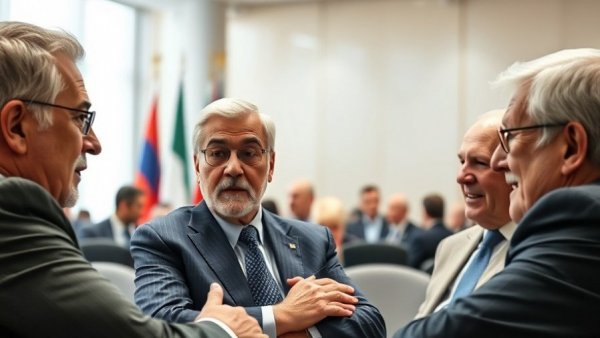
Businessmen discussing trade impact at Chapel Hill conference.

Lawmakers Scrutinize Nvidia's Chip Sales and National Security

In a climate where national security intertwines with global trade, the recent scrutiny over Nvidia's chip sales has sparked significant concern among U.S. lawmakers. Following reports that Nvidia sold chips to a firm with alleged ties to Chinese espionage, legislators are calling for accountability. Key figures, including Trump’s former commerce secretary, have been thrust under the spotlight, demanding explanations for the decisions made during their tenure. This raises a pivotal question: how do national security interests align with trade practices in the tech industry? As the geopolitical landscape evolves, it is essential that trade relationships reflect both economic opportunities and the safeguarding of national security.

The Broader Implications for Import and Export Companies

The ripple effects of this scandal are far-reaching. Import-export companies, particularly those in technology, must recalibrate their strategies amidst growing governmental scrutiny. Navigating chip sales and manufacturing agreements in a politically charged atmosphere requires a nuanced understanding of both compliance regulations and market dynamics. With politicians demanding transparency, it becomes increasingly clear that the actions of companies like Nvidia could reshape international trade regulations.

Furthermore, companies involved in the import and export sector may face increased due diligence requirements. This could mean more stringent vetting processes for suppliers and partners, as firms scramble to ensure they are complying with all regulations to avoid scrutiny. Those who navigate these waters effectively may find new doors opening, whereas companies that fail to adapt could risk significant penalties or barriers to entry in key markets.

Manufacturing and Trade Challenges Ahead

As discussions unfold, it's essential for businesses to keep an eye on how such revelations impact manufacturing practices and trade policies. The tech industry's backbone—semiconductors—remains a critical focus. With escalating concerns surrounding espionage and national security, manufacturers must ensure that they are not only compliant with current regulations but also prepared for the potential of new laws.

The challenges do not stop there—import-export companies must also contend with supply chain disruptions that may arise from increased oversight. A thorough risk assessment can help businesses anticipate issues before they become crises. Crafting proactive strategies and staying informed on shifts in policy could mean the difference between seizing opportunities and facing penalties. This is especially relevant for companies looking to capitalize on the growing demand for semiconductors.

Looking at Financial Insights in the Tech Industry

For import-export companies, understanding the financial landscape surrounding technological developments is crucial. The intersection of finance and trade serves as a backdrop for this unfolding drama. Firms involved in semiconductor manufacturing must assess their financial health, adaptability, and risk exposure in light of these revelations. Lessons learned from past scandals and their financial repercussions can guide businesses as they navigate these uncharted waters.

By leveraging financial analytics, companies can gain insights into market trends that may affect the demand for their products. Given that technology is a rapidly evolving field, having a responsive approach that mirrors market demands will be vital for success. Companies can also explore diversification strategies, which may offer protection against fluctuations tied to regulatory changes.

Practical Takeaways for Import-Export Businesses

What can import-export companies take away from these developments? First and foremost, compliance should be a core component of every business strategy. Staying informed about evolving legal landscapes will be essential as regulations concerning chip sales become more stringent. Companies are encouraged to invest in training and resources that enhance compliance measures.

Equally important is fostering open lines of communication with legal advisors and industry experts, who can offer guidance on navigating potential pitfalls. Networking within the industry, sharing insights with peers undergoing similar challenges, and staying abreast of developments can empower companies to make informed decisions.

Conclusion: Embracing Change and Staying Informed

As the Nvidia scandal continues to unfold, the call for transparency reinforces the importance of a robust compliance framework within the technological sector. For import-export businesses, leveraging this moment can lead to new insights and strategies focused on sustainable growth amidst regulatory changes. Remember, adaptation is often the key to survival in any economic climate. By staying informed and responsive, companies can position themselves competitively as they navigate the complexities of trade and finance.

Ultimately, while the current environment may feel uncertain, it also presents opportunities for those willing to adapt, innovate, and engage with the challenges ahead. Increased vigilance and strategic planning can lead not only to compliance but also to competitive advantage in an increasingly interconnected world.

Supply Chain

0 Views

Write A Comment

*
*
Please complete the captcha to submit your comment.
Related Posts All Posts
11.12.2026

Nvidia Board to Decide Jensen Huang's Fate: Unpacking Leadership Ethics in Trade

Update The Future of Nvidia: Leadership Questions in the Spotlight Nvidia's CEO Jensen Huang finds himself under scrutiny following revelations of an extramarital affair with a subordinate. The Nvidia board is slated to meet to assess the implications of this incident, not just for Huang's role but also for the company's culture and operational integrity. In an era where corporate governance is increasingly scrutinized, the fallout from this affair raises questions about the effectiveness of Nvidia’s leadership and their adherence to ethical guidelines, which are essential in maintaining stakeholder trust. What This Means for Nvidia’s Stakeholders Shareholders and employees alike are watching carefully as issues of leadership credibility and company ethics come into play. The board will need to weigh the impact of this revelation on investor confidence and the overall morale within the organization. Companies in the high-stakes tech industry, such as Nvidia, often depend heavily on public trust and a strong, ethical leadership presence. The board's handling of this situation could potentially sway not only Nvidia's internal dynamics but also influence investor sentiment broadly across the technology sector. Broader Implications for the Technology Sector This incident raises important questions about the dynamics of power within corporate structures, particularly in tech giants that drive innovation and manufacturing practices worldwide. Nvidia plays a critical role in technological advancements and the broader supply chain, making the integrity of its leadership essential to its ongoing success. A leadership shake-up could disrupt not just Nvidia's strategies but also potentially affect supply chains and partnerships in tech-related sectors, given Nvidia's key role in powering AI and graphics solutions across multiple industries. Insights from Industry Experts Experts suggest that the board's decision could set a precedent for how similar situations are handled across the technology sector. Trust is fundamental in leadership roles, especially in industries that are constantly evolving. The power dynamics in businesses like Nvidia often have broader implications, affecting everything from workplace culture to product innovation. Should leaders be held to stricter ethical standards in light of their influence on organizational culture? This debate is crucial as companies increasingly aim for transparency and inclusivity in their corporate governance models. Actions Manufacturers Can Take For businesses involved in import and export, this scenario serves as a cautionary tale. It emphasizes the importance of establishing clear workplace policies regarding ethical conduct and relationships. By fostering a transparent corporate culture and setting expectations around ethical behavior, companies can mitigate potential risks that may arise from leadership misconduct. It may also encourage businesses to implement training programs that educate employees on ethics and conflict resolution, thus creating an environment where ethical discussions are normalized and encouraged. Preparing for Uncertainty in the Market The fallout from Huang's possible departure could ripple through Nvidia’s performance in the market. For those in the import/export field, this instability might pose risks as manufacturers depend on stable leadership for strategic decisions affecting production and trade practices. Close monitoring of Nvidia’s situation can provide insights into broader market trends sensitive to corporate governance. Moreover, it may be prudent for businesses to assess their own leadership models, ensuring they are robust enough to withstand similar scrutiny and upheaval in the future. Conclusion: Lessons in Corporate Ethics As Nvidia navigates this tumultuous period, the emphasis on corporate ethics and leadership accountability grows more pronounced. Import and export companies can benefit from observing this scenario to understand the evolving environment of corporate governance and its implications on business operations and sustainability. Staying informed about leadership dynamics can equip businesses with the foresight needed to make strategic decisions in an ever-changing market. Ultimately, this incident serves as a reminder that integrity in leadership isn’t just a personal attribute; it is fundamental to the health of the organization and its long-term success.

11.11.2026

Why Fixing Tariff Policy is Crucial for American Households

Update Why Tariffs Matter: Unpacking the Debate When we talk about tariffs, many people might think they only impact the prices of imported goods like electronics or trendy clothes. But the truth is, tariffs are a complex issue with effects that reach far beyond shopping carts. They also play a role in our everyday expenses, impacting necessities like rent, insurance, and utilities. The Real Cost of Tariffs Recently, we heard arguments claiming that getting rid of all tariffs would make everything cheaper for American households. Heath Mayo, a conservative thinker, suggested in a social media post that repealing tariffs could save families about $100 each month. But let’s put that into perspective: $100 might be just enough for a family of three to enjoy a simple meal out. In the grand scheme of rising costs for housing and insurance, that amount isn't even close to addressing the bigger issues. Understanding Inflation and Tariffs According to the Tax Foundation, tariffs could add an average tax burden of around $820 for each household. While it’s clear that tariffs can impact prices, many forget that the sources of financial pressure for average Americans mostly come from ongoing costs like rent and healthcare, which are not influenced by tariffs in a direct way. Insurers like GEICO and Aetna have raised premiums significantly, and these increases have nothing to do with foreign imports. Misguided Solutions: The Call to Abolish Tariffs There's a popular narrative going around that suggests removing tariffs is the quick fix to our economic problems. It’s a tempting notion, but it overlooks critical factors. For instance, New York Fed economists found that only around 25% of a tariff increase actually affects consumer prices—meaning that while tariffs can make some imported products more expensive, not every dollar saved from reducing tariffs would automatically go back into consumers' wallets. The Misplaced Blame on Tariffs One significant takeaway from recent discussions is that tariffs have been unfairly blamed for the affordability crisis. Prices in essential services like electricity and laundry are surging due to other factors, and these costs have very little to do with international trade policies. So why are tariffs becoming a scapegoat? A Rational Approach: Fix Tariffs Instead of Removing Them Rather than simply abolishing tariffs, Congress should aim to fix them. A balanced approach can ensure fair prices for consumers while supporting domestic manufacturers. Adjusting tariffs thoughtfully can prevent price spikes in key industries while allowing consumers to benefit from lower import costs where possible. This might provide a more effective pathway to reducing the financial burdens on average Americans. What Can We Expect Moving Forward? The political landscape is heating up as current leaders sift through the midterm results and face public pressure to address the rising cost of living. As discussions unfold, it is crucial to stay informed about the implications of trade policies and advocate for solutions that genuinely benefit consumers. The conversation around tariffs should not end with their removal but rather transform into one about thoughtful reforms that balance the needs of everyone involved. Take Action: Advocate for Thoughtful Tariff Policies As citizens, it’s important that we voice our perspectives. Engage with community discussions about economic policies and advocate for changes that prioritize the wellbeing of everyday Americans, rather than simply making sweeping adjustments that might do more harm than good. Knowledge is power—your voice matters!

11.11.2026

The Delay on Megaspeed's Trade Blacklist: Implications for Import-Export Companies

Update Commerce Department Delays Trade Blacklist for Megaspeed The United States Commerce Department has made headlines by delaying the inclusion of Megaspeed, an electronics manufacturer, on its trade blacklist initially scheduled for the end of 2023. This move has significant implications not only for Megaspeed but also for the broader landscape of trade and manufacturing in the U.S., particularly as companies adapt to shifting geopolitical tensions and regulatory environments. Megaspeed had been under scrutiny due to concerns about compliance with various international trade regulations, which prompted this reconsideration by the Commerce Department. Why the Delay Matters This delay allows Megaspeed to continue operations while navigating the complexities of international trade regulations, which can be a daunting challenge for many businesses. By deferring the blacklist decision, the Commerce Department signals a recognition of the importance of Megaspeed to both local employment rates and the supply chain—a factor that import-export companies should take notice of. The company plays a vital role in the tech sector and affects numerous jobs directly and indirectly, making its operations crucial during a time of economic uncertainty. Impact on Import-Export Companies For import-export companies, understanding the nuances of trade regulations is crucial. The inclusion of a company on a trade blacklist can hinder its ability to export products or engage with domestic suppliers, leading to significant financial impacts. The delay of Megaspeed’s listing presents an opportunity for these firms to reassess their partnerships and risk management practices in light of changing regulatory dynamics. Furthermore, it encourages businesses to engage in due diligence to understand their own exposure to similar risks within their supply chains. What This Means for Manufacturing The manufacturing sector often faces volatility driven by regulatory changes. With Megaspeed's potential inclusion on the blacklist postponed, it highlights the need for manufacturers to remain agile. Firms should consider diversifying their supply chains to mitigate the risks associated with similar situations in the future. Additionally, manufacturers are encouraged to invest in technology that enables a quicker response to regulatory challenges, which can significantly enhance their ability to adapt to unexpected changes in the trade environment. Understanding Trade Regulations Trade regulations can be complex and often require ongoing compliance. For companies in the import-export sector, it’s crucial to stay informed about any updates from the Commerce Department that may impact their operations. This situation serves as a reminder for import-export businesses to implement robust compliance programs and consider seeking expert financial insights to navigate challenges effectively. Partnering with legal and financial advisors who specialize in trade compliance can alleviate some pressures and enhance a company's strategic positioning in the market. Future Predictions for the Trade Landscape As geopolitical tensions continue to evolve, we can expect more surprises in the trade environment, leading to potential shifts in manufacturing practices globally. Import-export companies should prepare for such changes by staying ahead of compliance requirements and market trends. Being proactive can help mitigate adverse effects that may arise from sudden regulatory adjustments. Understanding the global context is essential; for instance, trade relationships between the U.S. and countries like China could further influence how companies navigate their strategies in the coming years. Actionable Insights for Trade Professionals Import-export companies should not only monitor the Megaspeed situation but also regularly review their operational strategies. Engaging with trade specialists and financial advisors can help businesses gain a clearer understanding of how to navigate trade regulations effectively. Discovering innovative ways to leverage technology to enhance compliance processes will also be critical in maintaining competitiveness. It is also important to emphasize training for employees on compliance issues, ensuring that teams are aware of best practices and able to respond swiftly to regulatory changes. In conclusion, Megaspeed’s story serves as an important case study for understanding the intricate interplay of trade, manufacturing, and regulations in today’s global market. For those involved in the trade sector, staying informed and prepared is key to thriving in a continually changing landscape. The ability to adapt to changing regulations and market conditions can set a company apart from competitors. Now is the time for import-export companies to examine their current practices and implement proactive strategies to keep them ahead of regulatory shifts. Engage in continuous learning about trade regulations and market trends to empower your business decisions effectively. Networking with industry peers for knowledge sharing can also provide insights that can help navigate these turbulent waters more successfully.

Global Trade News


An educational, content-centric platform that delivers unbiased, comprehensive, and real-time regulatory news and analysis, empowering stakeholders to make informed decisions in a complex global trade environment.


Global Trade News is a subsidiary of RP Design Web Services.

COMPANY

  • Privacy Policy
  • Terms of Use
  • Advertise
  • Contact Us
  • Menu 5
  • Menu 6

AVAILABLE FROM 8AM - 5PM

City, State

Cheshire, CT

ABOUT US

A media channel that delivers the latest insights on trade regulations, import/export compliance, policy shifts, and global market trends.  Present both US and international perspectives to provide companies with a holistic view of the evolving trade landscape.

© 2026 Global Trade News All Rights Reserved. PO Box 1189 , Cheshire, CT 06410 . Contact Us . Terms of Service . Privacy Policy

eyJjb21wYW55IjoiR2xvYmFsIFRyYWRlIE5ld3MiLCJhZGRyZXNzIjoiUE8gQm94IDExODkgIiwiY2l0eSI6IkNoZXNoaXJlIiwic3RhdGUiOiJDVCIsInppcCI6IjA2NDEwIiwiZW1haWwiOiJzYWxlc0BycGRlc2lnbi5jb20iLCJ0b3MiOiJQSEErUEhOMGNtOXVaejQ4WlcwK1YyaGxiaUI1YjNVZ2MybG5iaTFwYmlCM2FYUm9JSFZ6TENCNWIzVWdZWEpsSUdkcGRtbHVaeVp1WW5Od095QjViM1Z5SUhCbGNtMXBjM05wYjI0Z1lXNWtJR052Ym5ObGJuUWdkRzhnYzJWdVpDQjViM1VnWlcxaGFXd2dZVzVrTDI5eUlGTk5VeUIwWlhoMElHMWxjM05oWjJWekxpQkNlU0JqYUdWamEybHVaeUIwYUdVZ1ZHVnliWE1nWVc1a0lFTnZibVJwZEdsdmJuTWdZbTk0SUdGdVpDQmllU0J6YVdkdWFXNW5JR2x1SUhsdmRTQmhkWFJ2YldGMGFXTmhiR3g1SUdOdmJtWnBjbTBnZEdoaGRDQjViM1VnWVdOalpYQjBJR0ZzYkNCMFpYSnRjeUJwYmlCMGFHbHpJR0ZuY21WbGJXVnVkQzQ4TDJWdFBqd3ZjM1J5YjI1blBqd3ZjRDRLQ2p4d1BqeGhJR2h5WldZOUltaDBkSEE2THk5M2QzY3VaMjl2WjJ4bExtTnZiU0krYUhSMGNEb3ZMM2QzZHk1bmIyOW5iR1V1WTI5dFBDOWhQand2Y0Q0S0NqeHdQaVp1WW5Od096d3ZjRDRLQ2p4d1BqeHpkSEp2Ym1jK1UwVlNWa2xEUlR3dmMzUnliMjVuUGp3dmNENEtDanh3UGxkbElIQnliM1pwWkdVZ1lTQnpaWEoyYVdObElIUm9ZWFFnWTNWeWNtVnVkR3g1SUdGc2JHOTNjeUI1YjNVZ2RHOGdjbVZqWldsMlpTQnlaWEYxWlhOMGN5Qm1iM0lnWm1WbFpHSmhZMnNzSUdOdmJYQmhibmtnYVc1bWIzSnRZWFJwYjI0c0lIQnliMjF2ZEdsdmJtRnNJR2x1Wm05eWJXRjBhVzl1TENCamIyMXdZVzU1SUdGc1pYSjBjeXdnWTI5MWNHOXVjeXdnWkdselkyOTFiblJ6SUdGdVpDQnZkR2hsY2lCdWIzUnBabWxqWVhScGIyNXpJSFJ2SUhsdmRYSWdaVzFoYVd3Z1lXUmtjbVZ6Y3lCaGJtUXZiM0lnWTJWc2JIVnNZWElnY0dodmJtVWdiM0lnWkdWMmFXTmxMaUJaYjNVZ2RXNWtaWEp6ZEdGdVpDQmhibVFnWVdkeVpXVWdkR2hoZENCMGFHVWdVMlZ5ZG1salpTQnBjeUJ3Y205MmFXUmxaQ0FtY1hWdmREdEJVeTFKVXlaeGRXOTBPeUJoYm1RZ2RHaGhkQ0IzWlNCaGMzTjFiV1VnYm04Z2NtVnpjRzl1YzJsaWFXeHBkSGtnWm05eUlIUm9aU0IwYVcxbGJHbHVaWE56TENCa1pXeGxkR2x2Yml3Z2JXbHpMV1JsYkdsMlpYSjVJRzl5SUdaaGFXeDFjbVVnZEc4Z2MzUnZjbVVnWVc1NUlIVnpaWElnWTI5dGJYVnVhV05oZEdsdmJuTWdiM0lnY0dWeWMyOXVZV3hwZW1GMGFXOXVJSE5sZEhScGJtZHpMand2Y0Q0S0NqeHdQbGx2ZFNCaGNtVWdjbVZ6Y0c5dWMybGliR1VnWm05eUlHOWlkR0ZwYm1sdVp5QmhZMk5sYzNNZ2RHOGdkR2hsSUZObGNuWnBZMlVnWVc1a0lIUm9ZWFFnWVdOalpYTnpJRzFoZVNCcGJuWnZiSFpsSUhSb2FYSmtJSEJoY25SNUlHWmxaWE1nS0hOMVkyZ2dZWE1nVTAxVElIUmxlSFFnYldWemMyRm5aWE1zSUVsdWRHVnlibVYwSUhObGNuWnBZMlVnY0hKdmRtbGtaWElnYjNJZ1kyVnNiSFZzWVhJZ1lXbHlkR2x0WlNCamFHRnlaMlZ6S1M0Z1dXOTFJR0Z5WlNCeVpYTndiMjV6YVdKc1pTQm1iM0lnZEdodmMyVWdabVZsY3l3Z2FXNWpiSFZrYVc1bklIUm9iM05sSUdabFpYTWdZWE56YjJOcFlYUmxaQ0IzYVhSb0lIUm9aU0JrYVhOd2JHRjVJRzl5SUdSbGJHbDJaWEo1SUc5bUlHVmhZMmdnVTAxVElIUmxlSFFnYldWemMyRm5aU0J6Wlc1MElIUnZJSGx2ZFNCaWVTQjFjeTRnU1c0Z1lXUmthWFJwYjI0c0lIbHZkU0J0ZFhOMElIQnliM1pwWkdVZ1lXNWtJR0Z5WlNCeVpYTndiMjV6YVdKc1pTQm1iM0lnWVd4c0lHVnhkV2x3YldWdWRDQnVaV05sYzNOaGNua2dkRzhnWVdOalpYTnpJSFJvWlNCVFpYSjJhV05sSUdGdVpDQnlaV05sYVhabElIUm9aU0JUVFZNZ2RHVjRkQ0J0WlhOellXZGxjeTRnVjJVZ1pHOGdibTkwSUdOb1lYSm5aU0JoYm5rZ1ptVmxjeUJtYjNJZ1pHVnNhWFpsY25rZ2IyWWdaVzFoYVd3Z2IzSWdVMDFUTGlCVWFHbHpJR2x6SUdFZ1puSmxaU0J6WlhKMmFXTmxJSEJ5YjNacFpHVmtJR0o1SUhWekxpQkliM2RsZG1WeUxDQndiR1ZoYzJVZ1kyaGxZMnNnZDJsMGFDQjViM1Z5SUdsdWRHVnlibVYwSUhObGNuWnBZMlVnY0hKdmRtbGtaWElnWVc1a0lHTmxiR3gxYkdGeUlHTmhjbkpwWlhJZ1ptOXlJR0Z1ZVNCamFHRnlaMlZ6SUhSb1lYUWdiV0Y1SUdsdVkzVnlJR0Z6SUdFZ2NtVnpkV3gwSUdaeWIyMGdjbVZqWldsMmFXNW5JR1Z0WVdsc0lHRnVaQ0JUVFZNZ2RHVjRkQ0J0WlhOellXZGxjeUIwYUdGMElIZGxJR1JsYkdsMlpYSWdkWEJ2YmlCNWIzVnlJRzl3ZEMxcGJpQmhibVFnY21WbmFYTjBjbUYwYVc5dUlIZHBkR2dnYjNWeUlHVnRZV2xzSUdGdVpDQlRUVk1nYzJWeWRtbGpaWE11SUZsdmRTQmpZVzRnWTJGdVkyVnNJR0YwSUdGdWVTQjBhVzFsTGlCS2RYTjBJSFJsZUhRZ0puRjFiM1E3VTFSUFVDWnhkVzkwT3lCMGJ5QThhR2xuYUd4cFoyaDBJR05zWVhOelBTSmpiMjF3WVc1NVVHaHZibVZWY0dSaGRHVWlQaXN4TWpBek1qY3hOems1TVR3dmFHbG5hR3hwWjJoMFBpNGdRV1owWlhJZ2VXOTFJSE5sYm1RZ2RHaGxJRk5OVXlCdFpYTnpZV2RsSUNaeGRXOTBPMU5VVDFBbWNYVnZkRHNnZEc4Z2RYTXNJSGRsSUhkcGJHd2djMlZ1WkNCNWIzVWdZVzRnVTAxVElHMWxjM05oWjJVZ2RHOGdZMjl1Wm1seWJTQjBhR0YwSUhsdmRTQm9ZWFpsSUdKbFpXNGdkVzV6ZFdKelkzSnBZbVZrTGlCQlpuUmxjaUIwYUdsekxDQjViM1VnZDJsc2JDQnVieUJzYjI1blpYSWdjbVZqWldsMlpTQlRUVk1nYldWemMyRm5aWE1nWm5KdmJTQjFjeTQ4TDNBK0NnbzhjRDQ4YzNSeWIyNW5QbGxQVlZJZ1VrVkhTVk5VVWtGVVNVOU9JRTlDVEVsSFFWUkpUMDVUUEM5emRISnZibWMrUEM5d1Bnb0tQSEErU1c0Z1kyOXVjMmxrWlhKaGRHbHZiaUJ2WmlCNWIzVnlJSFZ6WlNCdlppQjBhR1VnVTJWeWRtbGpaU3dnZVc5MUlHRm5jbVZsSUhSdk9qd3ZjRDRLQ2p4dmJENEtDVHhzYVQ1d2NtOTJhV1JsSUhSeWRXVXNJR0ZqWTNWeVlYUmxMQ0JqZFhKeVpXNTBJR0Z1WkNCamIyMXdiR1YwWlNCcGJtWnZjbTFoZEdsdmJpQmhZbTkxZENCNWIzVnljMlZzWmlCaGN5QndjbTl0Y0hSbFpDQmllU0IwYUdVZ1UyVnlkbWxqWlNZak16azdjeUJ5WldkcGMzUnlZWFJwYjI0Z1ptOXliU0FvYzNWamFDQnBibVp2Y20xaGRHbHZiaUJpWldsdVp5QjBhR1VnSm5GMWIzUTdVbVZuYVhOMGNtRjBhVzl1SUVSaGRHRW1jWFZ2ZERzcElHRnVaRHd2YkdrK0NnazhiR2srYldGcGJuUmhhVzRnWVc1a0lIQnliMjF3ZEd4NUlIVndaR0YwWlNCMGFHVWdVbVZuYVhOMGNtRjBhVzl1SUVSaGRHRWdkRzhnYTJWbGNDQnBkQ0IwY25WbExDQmhZMk4xY21GMFpTd2dZM1Z5Y21WdWRDQmhibVFnWTI5dGNHeGxkR1V1SUVsbUlIbHZkU0J3Y205MmFXUmxJR0Z1ZVNCcGJtWnZjbTFoZEdsdmJpQjBhR0YwSUdseklIVnVkSEoxWlN3Z2FXNWhZMk4xY21GMFpTd2dibTkwSUdOMWNuSmxiblFnYjNJZ2FXNWpiMjF3YkdWMFpTd2diM0lnZDJVZ2FHRjJaU0J5WldGemIyNWhZbXhsSUdkeWIzVnVaSE1nZEc4Z2MzVnpjR1ZqZENCMGFHRjBJSE4xWTJnZ2FXNW1iM0p0WVhScGIyNGdhWE1nZFc1MGNuVmxMQ0JwYm1GalkzVnlZWFJsTENCdWIzUWdZM1Z5Y21WdWRDQnZjaUJwYm1OdmJYQnNaWFJsTENCM1pTQm9ZWFpsSUhSb1pTQnlhV2RvZENCMGJ5QnpkWE53Wlc1a0lHOXlJRHh6ZEhKdmJtYytQSE53WVc0Z2MzUjViR1U5SW1OdmJHOXlPaU5HUmpBd01EQTdJajUwWlhKdGFXNWhkR1VnZVc5MWNpQmhZMk52ZFc1MEwzQnliMlpwYkdVZ1lXNWtJSEpsWm5WelpTQmhibmtnWVc1a0lHRnNiQ0JqZFhKeVpXNTBJRzl5SUdaMWRIVnlaU0IxYzJVZ2IyWWdkR2hsSUZObGNuWnBZMlVnS0c5eUlHRnVlU0J3YjNKMGFXOXVJSFJvWlhKbGIyWXBMand2YzNCaGJqNDhMM04wY205dVp6NDhMMnhwUGdvOEwyOXNQZ29LUEhBK0ptNWljM0E3UEM5d1BnbzhhR2xuYUd4cFoyaDBJR05zWVhOelBTSmpiMjF3WVc1NVRtRnRaVlZ3WkdGMFpTSStSMnh2WW1Gc0lGUnlZV1JsSUU1bGQzTThMMmhwWjJoc2FXZG9kRDQ4WW5JZ0x6NEtQR2hwWjJoc2FXZG9kQ0JqYkdGemN6MGlZMjl0Y0dGdWVVRmtaSEpsYzNOVmNHUmhkR1VpUGxCUElFSnZlQ0F4TVRnNUlDd2dRMmhsYzJocGNtVXNJRU5VSURBMk5ERXdQQzlvYVdkb2JHbG5hSFErUEdKeUlDOCtDanhvYVdkb2JHbG5hSFFnWTJ4aGMzTTlJbU52YlhCaGJubFFhRzl1WlZWd1pHRjBaU0krS3pFeU1ETXlOekUzT1RreFBDOW9hV2RvYkdsbmFIUStQR0p5SUM4K0NqeG9hV2RvYkdsbmFIUWdZMnhoYzNNOUltTnZiWEJoYm5sRmJXRnBiRlZ3WkdGMFpTSStjMkZzWlhOQWNuQmtaWE5wWjI0dVkyOXRQQzlvYVdkb2JHbG5hSFErIiwicHJpdmFjeSI6IlBIQStQSE4wY205dVp6NVFVa2xXUVVOWlBDOXpkSEp2Ym1jK1BDOXdQZ29LUEhBK1BITjBjbTl1Wno1VWFHVWdhVzVtYjNKdFlYUnBiMjRnY0hKdmRtbGtaV1FnWkhWeWFXNW5JSFJvYVhNZ2NtVm5hWE4wY21GMGFXOXVJR2x6SUd0bGNIUWdjSEpwZG1GMFpTQmhibVFnWTI5dVptbGtaVzUwYVdGc0xDQmhibVFnZDJsc2JDQnVaWFpsY2lCaVpTQmthWE4wY21saWRYUmxaQ3dnWTI5d2FXVmtMQ0J6YjJ4a0xDQjBjbUZrWldRZ2IzSWdjRzl6ZEdWa0lHbHVJR0Z1ZVNCM1lYa3NJSE5vWVhCbElHOXlJR1p2Y20wdUlGUm9hWE1nYVhNZ2IzVnlJR2QxWVhKaGJuUmxaUzQ4TDNOMGNtOXVaejQ4TDNBK0NnbzhjRDQ4YzNSeWIyNW5Qa2xPUkVWTlRrbFVXVHd2YzNSeWIyNW5Qand2Y0Q0S0NqeHdQanhsYlQ1WmIzVWdZV2R5WldVZ2RHOGdhVzVrWlcxdWFXWjVJR0Z1WkNCb2IyeGtJSFZ6TEM0Z1lXNWtJR2wwY3lCemRXSnphV1JwWVhKcFpYTXNJR0ZtWm1sc2FXRjBaWE1zSUc5bVptbGpaWEp6TENCaFoyVnVkSE1zSUdOdkxXSnlZVzVrWlhKeklHOXlJRzkwYUdWeUlIQmhjblJ1WlhKekxDQmhibVFnWlcxd2JHOTVaV1Z6TENCb1lYSnRiR1Z6Y3lCbWNtOXRJR0Z1ZVNCamJHRnBiU0J2Y2lCa1pXMWhibVFzSUdsdVkyeDFaR2x1WnlCeVpXRnpiMjVoWW14bElHRjBkRzl5Ym1WNWN5WWpNems3SUdabFpYTXNJRzFoWkdVZ1lua2dZVzU1SUhSb2FYSmtJSEJoY25SNUlHUjFaU0IwYnlCdmNpQmhjbWx6YVc1bklHOTFkQ0J2WmlCRGIyNTBaVzUwSUhsdmRTQnlaV05sYVhabExDQnpkV0p0YVhRc0lISmxjR3g1TENCd2IzTjBMQ0IwY21GdWMyMXBkQ0J2Y2lCdFlXdGxJR0YyWVdsc1lXSnNaU0IwYUhKdmRXZG9JSFJvWlNCVFpYSjJhV05sTENCNWIzVnlJSFZ6WlNCdlppQjBhR1VnVTJWeWRtbGpaU3dnZVc5MWNpQmpiMjV1WldOMGFXOXVJSFJ2SUhSb1pTQlRaWEoyYVdObExDQjViM1Z5SUhacGIyeGhkR2x2YmlCdlppQjBhR1VnVkU5VExDQnZjaUI1YjNWeUlIWnBiMnhoZEdsdmJpQnZaaUJoYm5rZ2NtbG5hSFJ6SUc5bUlHRnViM1JvWlhJdVBDOWxiVDQ4TDNBK0NnbzhjRDQ4YzNSeWIyNW5Qa1JKVTBOTVFVbE5SVklnVDBZZ1YwRlNVa0ZPVkVsRlV6d3ZjM1J5YjI1blBqd3ZjRDRLQ2p4d1BqeHpkSEp2Ym1jK1dVOVZJRVZZVUZKRlUxTk1XU0JWVGtSRlVsTlVRVTVFSUVGT1JDQkJSMUpGUlNCVVNFRlVPand2YzNSeWIyNW5Qand2Y0Q0S0NqeHZiRDRLQ1R4c2FUNVpUMVZTSUZWVFJTQlBSaUJVU0VVZ1UwVlNWa2xEUlNCSlV5QkJWQ0JaVDFWU0lGTlBURVVnVWtsVFN5NGdWRWhGSUZORlVsWkpRMFVnU1ZNZ1VGSlBWa2xFUlVRZ1QwNGdRVTRnSm5GMWIzUTdRVk1nU1ZNbWNYVnZkRHNnUVU1RUlDWnhkVzkwTzBGVElFRldRVWxNUVVKTVJTWnhkVzkwT3lCQ1FWTkpVeTRnTEM0Z1FVNUVJRlZUTENCSlZDWWpNems3VXlCRFZWTlVUMDFGVWxNc0lFVllVRkpGVTFOTVdTQkVTVk5EVEVGSlRWTWdRVXhNSUZkQlVsSkJUbFJKUlZNZ1QwWWdRVTVaSUV0SlRrUXNJRmRJUlZSSVJWSWdSVmhRVWtWVFV5QlBVaUJKVFZCTVNVVkVMQ0JKVGtOTVZVUkpUa2NzSUVKVlZDQk9UMVFnVEVsTlNWUkZSQ0JVVHlCVVNFVWdTVTFRVEVsRlJDQlhRVkpTUVU1VVNVVlRJRTlHSUUxRlVrTklRVTVVUVVKSlRFbFVXU3dnUmtsVVRrVlRVeUJHVDFJZ1FTQlFRVkpVU1VOVlRFRlNJRkJWVWxCUFUwVWdRVTVFSUU1UFRpMUpUa1pTU1U1SFJVMUZUbFF1UEM5c2FUNEtDVHhzYVQ1TlFVdEZVeUJPVHlCWFFWSlNRVTVVV1NCVVNFRlVJQ2hwS1NCVVNFVWdVMFZTVmtsRFJTQlhTVXhNSUUxRlJWUWdXVTlWVWlCU1JWRlZTVkpGVFVWT1ZGTXNJQ2hwYVNrZ1ZFaEZJRk5GVWxaSlEwVWdWMGxNVENCQ1JTQlZUa2xPVkVWU1VsVlFWRVZFTENCVVNVMUZURmtzSUZORlExVlNSU3dnVDFJZ1JWSlNUMUl0UmxKRlJTd2dLR2xwYVNrZ1ZFaEZJRkpGVTFWTVZGTWdWRWhCVkNCTlFWa2dRa1VnVDBKVVFVbE9SVVFnUmxKUFRTQlVTRVVnVlZORklFOUdJRlJJUlNCVFJWSldTVU5GSUZkSlRFd2dRa1VnUVVORFZWSkJWRVVnVDFJZ1VrVk1TVUZDVEVVc0lFRk9SQ0FvYVhZcElFRk9XU0JGVWxKUFVsTWdTVTRnVkVoRklGTlBSbFJYUVZKRklGZEpURXdnUWtVZ1EwOVNVa1ZEVkVWRUxqd3ZiR2srQ2drOGJHaytRVTVaSUUxQlZFVlNTVUZNSUVSUFYwNU1UMEZFUlVRZ1QxSWdUMVJJUlZKWFNWTkZJRTlDVkVGSlRrVkVJRlJJVWs5VlIwZ2dWRWhGSUZWVFJTQlBSaUJVU0VVZ1UwVlNWa2xEUlNCSlV5QkVUMDVGSUVGVUlGbFBWVklnVDFkT0lFUkpVME5TUlZSSlQwNGdRVTVFSUZKSlUwc2dRVTVFSUZSSVFWUWdXVTlWSUZkSlRFd2dRa1VnVTA5TVJVeFpJRkpGVTFCUFRsTkpRa3hGSUVaUFVpQkJUbGtnUkVGTlFVZEZJRlJQSUZsUFZWSWdRMDlOVUZWVVJWSWdVMWxUVkVWTklFOVNJRXhQVTFNZ1QwWWdSRUZVUVNCVVNFRlVJRkpGVTFWTVZGTWdSbEpQVFNCVVNFVWdSRTlYVGt4UFFVUWdUMFlnUVU1WklGTlZRMGdnVFVGVVJWSkpRVXd1UEM5c2FUNEtDVHhzYVQ1T1R5QkJSRlpKUTBVZ1QxSWdTVTVHVDFKTlFWUkpUMDRzSUZkSVJWUklSVklnVDFKQlRDQlBVaUJYVWtsVVZFVk9MQ0JQUWxSQlNVNUZSQ0JDV1NCWlQxVWdSbEpQVFNCUFVpQlVTRkpQVlVkSUlFOVNJRVpTVDAwZ1ZFaEZJRk5GVWxaSlEwVWdVMGhCVEV3Z1ExSkZRVlJGSUVGT1dTQlhRVkpTUVU1VVdTQk9UMVFnUlZoUVVrVlRVMHhaSUZOVVFWUkZSQ0JKVGlCVVNFVWdWRTlUTGp3dmJHaytDand2YjJ3K0NnbzhjRDQ4YzNSeWIyNW5Qa3hKVFVsVVFWUkpUMDRnVDBZZ1RFbEJRa2xNU1ZSWlBDOXpkSEp2Ym1jK1BDOXdQZ29LUEhBK1dVOVZJRVZZVUZKRlUxTk1XU0JWVGtSRlVsTlVRVTVFSUVGT1JDQkJSMUpGUlNCVVNFRlVJRUZPUkNCVFNFRk1UQ0JPVDFRZ1FrVWdURWxCUWt4RklFWlBVaUJCVGxrZ1JFbFNSVU5VTENCSlRrUkpVa1ZEVkN3Z1NVNURTVVJGVGxSQlRDd2dVMUJGUTBsQlRDd2dRMDlPVTBWUlZVVk9WRWxCVENCUFVpQkZXRVZOVUV4QlVsa2dSRUZOUVVkRlV5d2dTVTVEVEZWRVNVNUhJRUpWVkNCT1QxUWdURWxOU1ZSRlJDQlVUeXdnUkVGTlFVZEZVeUJHVDFJZ1RFOVRVeUJQUmlCUVVrOUdTVlJUTENCSFQwOUVWMGxNVEN3Z1ZWTkZMQ0JFUVZSQklFOVNJRTlVU0VWU0lFbE9WRUZPUjBsQ1RFVWdURTlUVTBWVElDaEZWa1ZPSUVsR0lFaEJVeUJDUlVWT0lFRkVWa2xUUlVRZ1QwWWdWRWhGSUZCUFUxTkpRa2xNU1ZSWklFOUdJRk5WUTBnZ1JFRk5RVWRGVXlrc0lGSkZVMVZNVkVsT1J5QkdVazlOT2p3dmNENEtDanh2YkQ0S0NUeHNhVDVVU0VVZ1ZWTkZJRTlTSUZSSVJTQkpUa0ZDU1V4SlZGa2dWRThnVlZORklGUklSU0JUUlZKV1NVTkZPend2YkdrK0NnazhiR2srVkVoRklFTlBVMVFnVDBZZ1VGSlBRMVZTUlUxRlRsUWdUMFlnVTFWQ1UxUkpWRlZVUlNCSFQwOUVVeUJCVGtRZ1UwVlNWa2xEUlZNZ1VrVlRWVXhVU1U1SElFWlNUMDBnUVU1WklFZFBUMFJUTENCRVFWUkJMQ0JKVGtaUFVrMUJWRWxQVGlCUFVpQlRSVkpXU1VORlV5QlFWVkpEU0VGVFJVUWdUMUlnVDBKVVFVbE9SVVFnVDFJZ1RVVlRVMEZIUlZNZ1VrVkRSVWxXUlVRZ1QxSWdWRkpCVGxOQlExUkpUMDVUSUVWT1ZFVlNSVVFnU1U1VVR5QlVTRkpQVlVkSUlFOVNJRVpTVDAwZ1ZFaEZJRk5GVWxaSlEwVTdQQzlzYVQ0S0NUeHNhVDVWVGtGVlZFaFBVa2xhUlVRZ1FVTkRSVk5USUZSUElFOVNJRUZNVkVWU1FWUkpUMDRnVDBZZ1dVOVZVaUJVVWtGT1UwMUpVMU5KVDA1VElFOVNJRVJCVkVFN1BDOXNhVDRLQ1R4c2FUNVRWRUZVUlUxRlRsUlRJRTlTSUVOUFRrUlZRMVFnVDBZZ1FVNVpJRlJJU1ZKRUlGQkJVbFJaSUU5T0lGUklSU0JUUlZKV1NVTkZPeUJQVWp3dmJHaytDZ2s4YkdrK1FVNVpJRTlVU0VWU0lFMUJWRlJGVWlCU1JVeEJWRWxPUnlCVVR5QlVTRVVnVTBWU1ZrbERSUzQ4TDJ4cFBnbzhMMjlzUGdvS1BIQStQSFUrUW5rZ2NtVm5hWE4wWlhKcGJtY2dZVzVrSUhOMVluTmpjbWxpYVc1bklIUnZJRzkxY2lCbGJXRnBiQ0JoYm1RZ1UwMVRJSE5sY25acFkyVXNJR0o1SUc5d2RDMXBiaXdnYjI1c2FXNWxJSEpsWjJsemRISmhkR2x2YmlCdmNpQmllU0JtYVd4c2FXNW5JRzkxZENCaElHTmhjbVFzSUNaeGRXOTBPM2x2ZFNCaFozSmxaU0IwYnlCMGFHVnpaU0JVUlZKTlV5QlBSaUJUUlZKV1NVTkZKbkYxYjNRN0lHRnVaQ0I1YjNVZ1lXTnJibTkzYkdWa1oyVWdZVzVrSUhWdVpHVnljM1JoYm1RZ2RHaGxJR0ZpYjNabElIUmxjbTF6SUc5bUlITmxjblpwWTJVZ2IzVjBiR2x1WldRZ1lXNWtJR1JsZEdGcGJHVmtJR1p2Y2lCNWIzVWdkRzlrWVhrdVBDOTFQand2Y0Q0S0NqeHdQaVp1WW5Od096d3ZjRDRLUEdocFoyaHNhV2RvZENCamJHRnpjejBpWTI5dGNHRnVlVTVoYldWVmNHUmhkR1VpUGtkc2IySmhiQ0JVY21Ga1pTQk9aWGR6UEM5b2FXZG9iR2xuYUhRK1BHSnlJQzgrQ2p4b2FXZG9iR2xuYUhRZ1kyeGhjM005SW1OdmJYQmhibmxCWkdSeVpYTnpWWEJrWVhSbElqNVFUeUJDYjNnZ01URTRPU0FzSUVOb1pYTm9hWEpsTENCRFZDQXdOalF4TUR3dmFHbG5hR3hwWjJoMFBqeGljaUF2UGdvOGFHbG5hR3hwWjJoMElHTnNZWE56UFNKamIyMXdZVzU1VUdodmJtVlZjR1JoZEdVaVBpc3hNakF6TWpjeE56azVNVHd2YUdsbmFHeHBaMmgwUGp4aWNpQXZQZ284YUdsbmFHeHBaMmgwSUdOc1lYTnpQU0pqYjIxd1lXNTVSVzFoYVd4VmNHUmhkR1VpUG5OaGJHVnpRSEp3WkdWemFXZHVMbU52YlR3dmFHbG5hR3hwWjJoMFBnPT0ifQ==

Terms of Service

Privacy Policy

Core Modal Title

Sorry, no results found

You Might Find These Articles Interesting

T
Please Check Your Email
We Will Be Following Up Shortly
*
*
*