








Imagine walking onto your plant floor tomorrow and finding out that the cost of a single imported machine part has just doubled overnight. Manufacturing leaders across the country are facing scenarios just like this, as shifts in trade policy and mounting tariff costs force a rethinking of production strategies, job roles, and supply chain planning. Whether you’re a plant manager, operations leader, or procurement specialist, understanding the tariff impact on manufacturing is no longer optional—it’s essential for staying competitive and resilient in today’s global economy.
What You'll Learn About Tariff Impact on Manufacturing
Understand the fundamentals of tariff impact on manufacturing
Explore which manufacturing jobs and sectors are most affected
Evaluate recent shifts in trade policy
Discover actionable strategies for manufacturers
Access expert insights and real-world quotes
Review frequently asked questions on this topic
Tariff Impact on Manufacturing: Setting the Stage
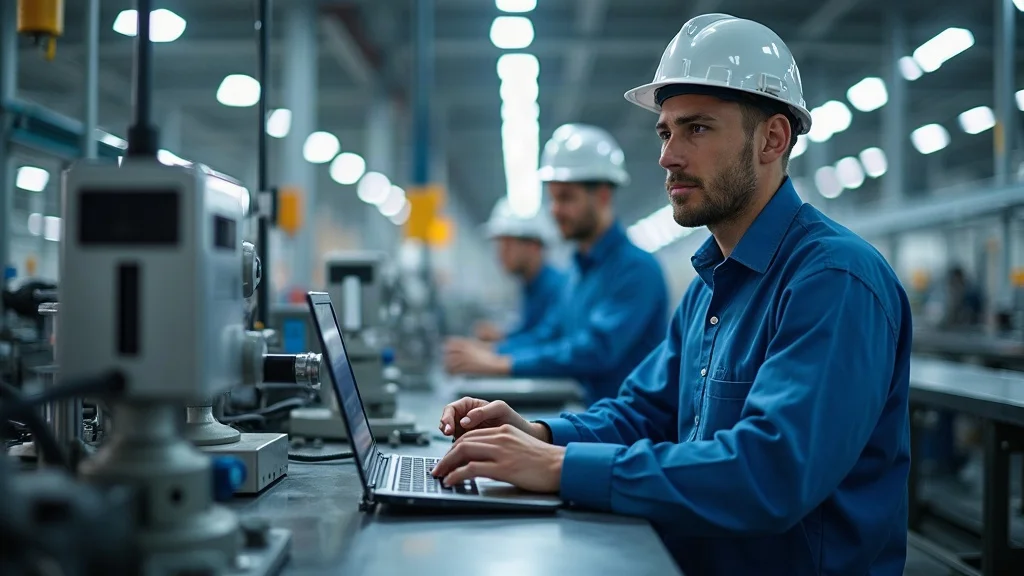
As the global trade environment shifts, the tariff impact on manufacturing is being felt in every corner of the industry. Companies that historically relied on stable supply chains and predictable imported goods pricing now face abrupt changes in input costs, driven largely by new and evolving trade policies. These changes ripple through production lines, budgets, and even the stability of manufacturing jobs. While some firms are adapting with agility, others are finding the reality of higher tariff costs leads to difficult decisions about labor, sourcing, and even market strategy. Plant managers, supply chain directors, and financial officers must all collaborate more closely than ever before to respond to these new stressors, aiming not only to protect their margins, but to ensure ongoing operational resilience.
Observational Trends in Manufacturing Jobs and Industry Sentiment
Across the manufacturing sector, the mood is a blend of caution, adaptation, and strategic reinvention. According to the Bureau of Labor Statistics, shifts in trade policy have contributed to fluctuating hiring patterns, as manufacturers re-balance domestic production and global sourcing. Industry sentiment also reflects the growing need for flexible workforce skills and the ability to react quickly to changes in both imported materials and end-market demand. Behind the scenes, businesses are investing in cross-training, redeploying staff, and seeking new partners to offset the risk of disruption. The focus for many is creating an agile environment, where manufacturing jobs are not only preserved, but repositioned to drive value as the trade landscape evolves.
Scenario: Reacting to Changing Trade Policy in Plant Operations
Picture an automotive supplier in the United States, where a sudden announcement from the White House imposes new tariffs on steel and electronic components overnight. Procurement teams scramble to source domestic alternatives, operations leaders hastily adjust schedules, and supervisors must communicate changes to workers concerned about job security. “Our production line had to pivot virtually overnight as new tariffs came into effect,” shares an Operations Manager at a US-based automotive supplier. Many manufacturing plants now conduct regular trade policy risk assessments, monitoring global headlines as closely as machine uptime. Being able to react quickly to these changing trade policies is directly affecting job roles, overtime strategies, and even capital investment plans. For many leaders, the goal is not just survival—it’s finding a viable path toward growth and competitiveness, whatever the tariffs may bring.
“Our production line had to pivot virtually overnight as new tariffs came into effect,” — Operations Manager, US-based automotive supplier
Understanding the Tariff Impact on Manufacturing

What is the Tariff Impact on Manufacturing?
At its core, the tariff impact on manufacturing refers to how government-imposed duties on imported goods affect manufacturing industries at every level. When a country—such as the United States—imposes tariffs on imported materials like steel, aluminum, or electronic components, the costs of those goods rise. This in turn increases production costs for manufacturers who depend on these components to assemble final products. The effects are felt in budgets, purchase orders, and often in the demand for domestic manufacturing jobs as firms reassess the feasibility of making goods locally versus importing them. In some cases, tariffs can also create opportunities for local suppliers to fill gaps, but the adjustment is rarely seamless. Ultimately, the goal of such policies may be to encourage a resurgence in domestic production, but the reality is complex—companies must carefully weigh risks, benefits, and the downstream effects on customers, workforce, and overall competitiveness.
Key Mechanisms: Trade Policy and Manufacturing Jobs
Trade policy decisions are the primary mechanism through which tariffs impact manufacturing jobs and the industry as a whole. When administrations, like the Trump administration or current policymakers, announce new tariffs or remove existing ones, manufacturers must immediately recalibrate their strategies. The Bureau of Labor Statistics regularly tracks shifts in the manufacturing labor market following significant trade policy announcements, noting the realignment of roles and sectors. On the production floor, this might mean redeploying skilled machinists from imported goods assembly toward more domestic-sourced product lines, or offering new training programs to support innovation. Procurement leaders are required to monitor tariff costs continually, as the ripple effect of a single targeted tariff can change the financial calculus on large-scale capital investments, plant expansions, and even workforce planning. Executives quickly learn that adaptability and rapid decision-making are now essential traits in manufacturing leadership.
For manufacturers seeking to deepen their understanding of how evolving trade regulations directly affect operational decisions, exploring the latest insights on trade regulations and markets can provide valuable context. You can find up-to-date analysis and practical guidance at Global Trade News, which covers the nuances of global trade policy and its impact on manufacturing sectors.
How Trade Policy is Shaping Modern Manufacturing
Recent Shifts in US Trade Policy Impacting Manufacturing Jobs

The last decade has seen some of the most significant changes in US trade policy since the era of NAFTA. With administrations taking a more aggressive stance—such as the Trump administration’s targeted tariffs on steel, aluminum, and electronic components—manufacturers have had to adapt rapidly. For many, the most immediate effect is seen in the rising cost of imported materials and shifts in supply chain configurations. Tariff costs can drive businesses to source domestically, but this also brings challenges as demand for domestic suppliers spikes and supply may not keep up. As a result, manufacturing jobs have shifted, with workers retrained or deployed to different departments to meet these evolving needs. Experts advise that the US manufacturing sector is likely to continue adjusting as long as trade policy remains dynamic. Companies that anticipate and plan for these changes will have a clear advantage in retaining skilled workers and maintaining throughput.
Tariff Impact on Manufacturing in a Global Economy
Today’s manufacturing operations rarely stop at national borders. Global supply chains mean that even a local plant can be affected by a tariff cost increase on products halfway around the world. This interconnectedness requires a new level of visibility and forecasting from plant managers and purchasing agents. Decisions made by the White House or the World Trade Organization can rewrite the rules overnight, forcing a realignment not only in sourcing and sales channels, but also in compliance procedures and logistics. Companies that monitor trade policy developments and model out scenario impacts are best positioned to navigate uncertainty. Leveraging global and local data allows businesses to respond faster, whether that’s switching to alternate suppliers, renegotiating contracts, or finding creative ways to maintain manufacturing jobs despite economic pressures.
Manufacturing Jobs: The Workforce Response to Tariff Changes
Workers in the manufacturing industry are on the front lines of trade policy changes. When tariffs are imposed or altered, companies may shift resources to domestic lines, temporarily reduce shifts reliant on imported goods, or in some cases, automate processes to offset higher wage and material costs. According to insights from a Senior Buyer at a large electronics manufacturer, “Tariffs have forced us to rethink our supply chain, but also opened new avenues for domestic sourcing. ” While some roles may be at risk, others become more valuable—especially those supporting logistics, risk analysis, and supplier management. For organizations, the challenge is not just in tracking and complying with tariff regulations, but in equipping their workforce to adapt to the changes in workflow and duties. This workforce resilience is becoming a competitive differentiator.
“Tariffs have forced us to rethink our supply chain, but also opened new avenues for domestic sourcing.” — Senior Buyer, Electronics Manufacturer
Which Manufacturing Jobs and Industries Are Most Affected?
Industries Experiencing the Greatest Tariff Impact on Manufacturing
Not all manufacturing industries are affected equally by tariff changes. Sectors that depend most heavily on imported goods—such as automotive, electronics, steel, and aluminum—report the most volatility in both costs and hiring. The computer and electronic product sector, for example, is often hit hard by targeted tariff increases because many critical components originate overseas. Similarly, the automotive industry’s reliance on global assemblies and supply chains means that even small shifts in tariff cost can disrupt the flow of labor and materials. The Bureau of Labor Statistics indicates that job growth in these sectors may slow or fluctuate as manufacturers pause hiring or reallocate roles pending tariff clarity. Companies working in these areas must pay close attention to evolving trade policy and quickly adapt their sourcing and production strategies to minimize risk.
Spotlight on Key Manufacturing Jobs Vulnerable to Tariffs
Within these industries, certain job roles are particularly vulnerable to tariff-driven disruptions. Purchasing agents, procurement specialists, and supply chain analysts are often the first to feel the impact, as they must source imported materials under tighter cost constraints and volatile lead times. Skilled machinists, assembly line workers, and quality control technicians—especially those working on imported goods or using foreign-sourced components—may experience shift reductions or job function changes. However, for workers involved in logistics, domestic materials handling, or trade compliance, new opportunities can emerge as companies invest in local sourcing and tighter regulatory oversight. Adapting workforce training is vital to keep manufacturing jobs robust as the market realigns around new tariff realities.

Products Commonly Impacted by Tariffs: A Sectoral Breakdown
High-exposure products include automotive assemblies, steel and aluminum goods, semiconductors, and a wide variety of electronic devices. The manufacturing sector also reports knock-on effects to machinery, industrial equipment, and some consumer goods. Below is a table highlighting major manufacturing sectors and their relative level of tariff exposure:
Manufacturing Sectors and Degree of Tariff Exposure |
||
Sector |
Level of Tariff Exposure |
Commonly Impacted Products |
|---|---|---|
Automotive |
High |
Cars, engines, transmissions |
Steel & Aluminum |
High |
Sheet metal, beams, castings |
Electronics |
Moderate–High |
Semiconductors, printed circuit boards, consumer devices |
Industrial Machinery |
Moderate |
Machinery, pumps, compressors |
Chemicals & Plastics |
Moderate |
Resins, industrial chemicals |
Case Studies: Real-World Examples of the Tariff Impact on Manufacturing
Automotive Supply Chains Responding to Trade Policy

Automotive manufacturers arguably face the sharpest edge of the tariff impact on manufacturing. Following 2018’s US steel and aluminum tariffs, many carmakers quickly renegotiated supply contracts, shifted some production back to the US, and reviewed which jobs could be automated, re-trained, or reassigned. The need to keep assembly lines moving prompted a surge in demand for logistics planners and local part fabricators. Although some cost increases were passed along to consumers, many organizations worked to absorb tariff costs without significant layoffs, relying on improved plant efficiencies and cross-trained workforces to maintain output. These adaptive approaches often set valuable examples for manufacturers in other sectors.
Electronics Manufacturing Jobs and Adaptation to Tariffs
The computer and electronic product manufacturing industry is deeply reliant on global supply chains. When tariffs rose on certain components, companies operating in the United States scrambled to find alternative sources, diversify suppliers, or even redesign products to use locally available parts. Project managers and product engineers worked closely with procurement teams to model costs for various scenarios, often facing trade-offs between timely delivery and input cost inflation. For many electronics firms, investments in workforce education—such as training in trade compliance and global logistics—became as important as technical skills. This emphasis on adaptability is reshaping the future of manufacturing jobs in electronics.
Steel and Aluminum: The Face of Tariff Impact on Manufacturing
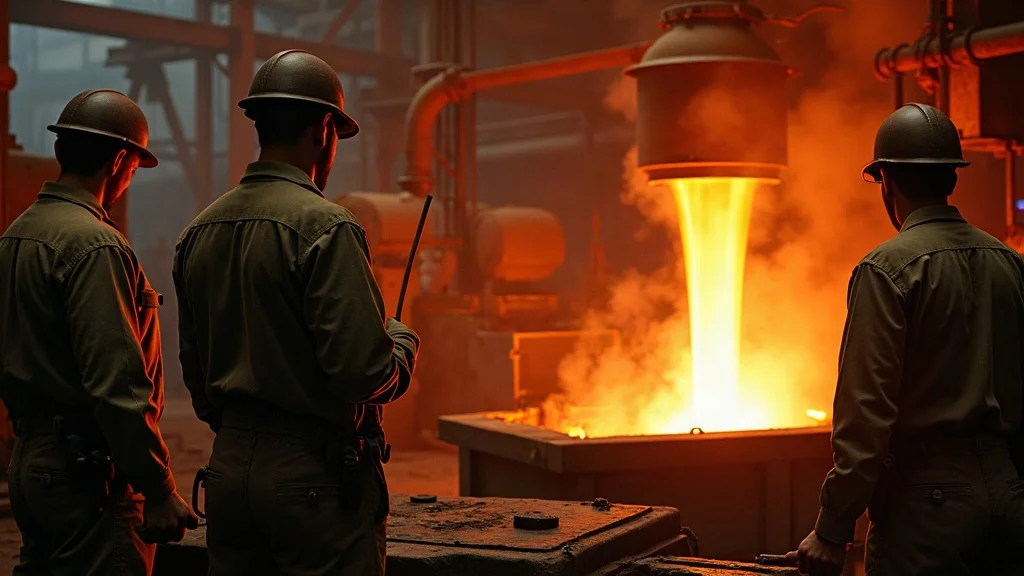
Steel and aluminum producers experienced immediate, high-visibility effects from tariffs. Plants that sourced imported raw materials either shifted to domestic suppliers or faced higher costs—often forcing introspection on plant operations and labor deployment. In certain cases, producers benefitted from increased demand for domestically made goods, expanding roles in fields like metallurgy, logistics, and QC. Simultaneously, the broader manufacturing sector relying on steel and aluminum inputs had to absorb or pass on additional tariff costs, with a direct impact on contract negotiations and plant staffing. The lesson learned: flexibility and scenario planning are non-negotiable for manufacturing jobs in today’s tariff-driven world.
Explainer: How Tariffs Are Disrupting US Manufacturing Sectors
Business and Operational Considerations: Adapting to Tariff Impact on Manufacturing
Assessing Risks: Procurement and Supply Chain Planning
For plant managers and operational leaders, understanding the tariff impact on manufacturing starts with a thorough risk assessment. Identify critical parts of your supply chain exposed to current or future tariffs. Map out your key suppliers’ geographies, evaluate the resilience of your alternative sourcing options, and track tariff costs on a rolling basis. Best-in-class manufacturing operations now establish “what-if” models to anticipate trade policy changes. Involve your procurement and legal teams early, ensuring contracts have flexibility built-in. Regularly communicating scenario plans with both internal and external partners helps avoid rushed decisions, unnecessary downtime, or unplanned disruption to manufacturing jobs.
Comparing Old vs. New Approaches to Trade Policy

In the past, manufacturers could rely on predictable costs and established supply chains to drive production efficiency. Today, the new normal requires much closer scrutiny of trade policy, an agile approach to supplier selection, and frequent updates to risk management frameworks. Modern strategies emphasize cross-training, digital supply chain management, and ongoing local-vs-global sourcing reviews. “The only thing constant is change—especially in trade. Companies that win are those who adapt fastest,” shares a Plant Manager at an industrial equipment maker. Flexibility, rapid communication, and continuous learning have replaced static, long-term partnerships of the past. For manufacturing jobs, this often means a wider set of responsibilities and training, enhancing both job security and the value employees provide.
“The only thing constant is change—especially in trade. Companies that win are those who adapt fastest.” — Plant Manager, Industrial Equipment Maker
Avoiding Common Mistakes: Lessons Learned From Tariff Implementation
Based on industry interviews and operational reviews, here are actionable steps to minimize tariff-related disruption:
Diversify suppliers across tariff-free regions
Invest in flexible manufacturing jobs training
Monitor and model trade policy changes
Collaborate with trade and legal counsel
The most successful manufacturers build redundancy not just in parts, but in workforce skills and leadership planning. Make sure to document lessons from past events and adapt supplier contracts accordingly.
Frequently Asked Questions About Tariff Impact on Manufacturing
Has manufacturing increased in the US since Trump?

Answer: Examining Trends in Manufacturing Jobs and Domestic Production
US manufacturing jobs saw shifts during President Trump’s administration and afterward due to aggressive trade policy interventions and targeted tariffs. While some sectors experienced growth in domestic production, especially steel and aluminum, others faced declining orders or scrambled to adjust supply chains. According to the Bureau of Labor Statistics, overall job growth rates have fluctuated, influenced as much by global demand and input costs as by tariffs. The long-term impact on the manufacturing sector is still a subject of industry analysis, with many companies reporting both opportunities and challenges as they adapt to new economic realities.
Which industries will be impacted most by tariffs?
Answer: Sectors Most Affected by Tariff Impact on Manufacturing
Sectors most exposed to tariff-driven disruptions include automotive, steel, aluminum, computer and electronic product manufacturing, industrial machinery, and to a lesser extent, chemicals and plastics. These industries are heavily reliant on imported goods and global supply chains; even modest increases in tariff cost force them to reconsider sourcing, pricing, and labor needs. Monitoring which products and suppliers are under current or proposed tariffs is critical for decision-makers in these industries.
Which products are impacted by tariffs?
Answer: Common Product Categories Facing Tariff Exposure
Major product categories impacted include cars, engines, steel sheet, aluminum parts, semiconductors, electronic components, and machinery. Changes in trade policy over the past decade have expanded the list to cover more finished goods and subassemblies. Regularly checking federal updates and maintaining current lists in your procurement system is highly recommended.
Are Trump's tariffs hurting the economy?
Answer: Broader Economic Effects of Trade Policy and Manufacturing Jobs
The effect of President Trump’s tariffs on the US economy—and specifically on manufacturing jobs—is debated. Some industries benefitted from increased domestic market demand, while others struggled with higher input costs and disrupted supply chains. While tariffs reduce import reliance for some, the overall impact often depends on how quickly manufacturers can adapt to new trade environments. Monitoring sector-level data and maintaining a flexible operational model are the best ways forward.
Panel Discussion: Manufacturing Executives Share Tariff Strategies
Key Takeaways for Manufacturers Navigating Tariff Impact on Manufacturing
Be proactive in understanding changing trade policy
Invest in workforce resilience and manufacturing jobs
Leverage local and global market intelligence
Stay adaptable and informed about tariff changes
Global Trade Insights: Stay Ahead of Tariff Impact on Manufacturing

Unlock Industry Expertise and Enhance Your Manufacturing Operations
Staying competitive means leveraging the latest global trade insights, connecting with industry experts, and anticipating regulatory changes. Explore best practices, join peer networks, and open channels with manufacturing leaders worldwide to strengthen your position in a fluctuating tariff environment.
Connect With Global Trade News to Stay Informed and Competitive
Have industry insights or news tips? Reach out and join our network of global trade professionals today! Schedule your interview with Global Trade News.
To thrive amid ongoing changes in tariff impact on manufacturing, stay vigilant, invest in your workforce, and tap into global industry knowledge.
As you continue to navigate the evolving landscape of tariffs and manufacturing, expanding your perspective with broader trade intelligence can be a game-changer. By staying informed on the latest shifts in global trade regulations and market trends, you’ll be better equipped to anticipate challenges and seize new opportunities. For a comprehensive view of international trade developments and expert commentary that goes beyond manufacturing, visit Global Trade News. Deepening your understanding of the wider trade environment empowers you to make smarter, more resilient decisions for your business and workforce.







Write A Comment