







Add Row
Add Element
Global Trade News
update
Global Trade News
update
Add Element
SCHEDULE YOUR INTERVIEW 
  • Home
  • Categories
    • Policy Pulse
    • Compliance Corner
    • Market Movers
    • Trade Trends
    • Export Essentials
    • Import Insights
    • Regulatory Roundup
    • Global Trade News Blog
    • More Spotlights
    • More Videos
  • update
  • update
  • update
  • update
  • update
  • update
  • update
March 14.2025
2 Minutes Read

How Import Export Companies Can #AccelerateAction for ESG Compliance

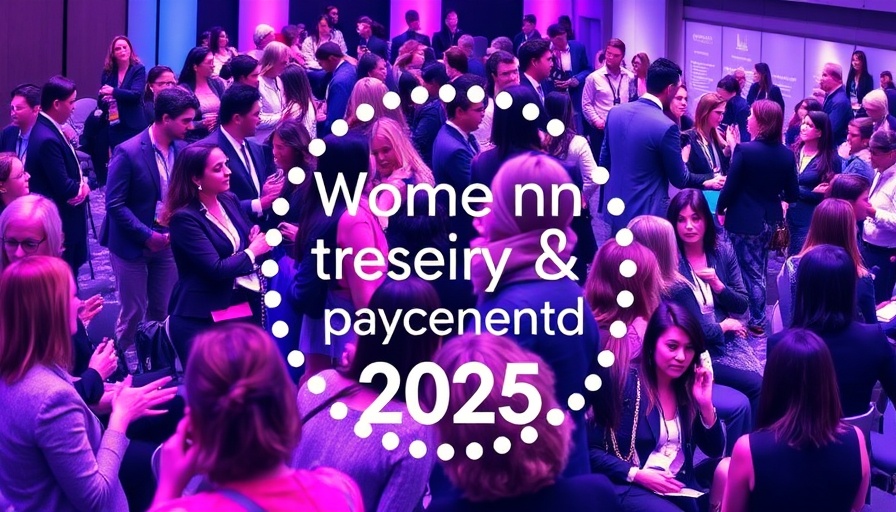
Accelerating action for ESG in Trade Treasury and Payments, conference scene.

Understanding ESG: The Push for Action in Trade, Treasury, and Payments

The conversation around Environmental, Social, and Governance (ESG) metrics isn't just a trend; it's becoming an essential framework for trade, treasury, and payment sectors as we approach the pivotal year of 2025. At the recent Women in Trade, Treasury, and Payments conference, industry leaders tackled the challenges of integrating ESG practices into their operations, reflecting the growing urgency to accelerate these initiatives. This groundswell aligns with the International Women's Day theme #AccelerateAction, advocating for a more inclusive approach in financial and trade sectors.

The Imperative for ESG in Global Trade

ESG considerations have moved from being merely optional to becoming pivotal in shaping the future of global trade. With regulatory frameworks evolving, import-export companies must adjust their practices to align with stringent guidelines that combat greenwashing and ensure accountability. Recently instituted measures, such as the European Securities and Markets Authority's (ESMA) guidelines, necessitate that funds commit at least 80% of investments to sustainable objectives, reminding organizations that robust ESG strategies are no longer a luxury but a necessity.

New Governance Standards Shaping Organizational Strategies

Corporate governance has emerged as a critical pillar of ESG practices, emphasizing transparency and accountability. As illustrated in the insights from the EY Luxembourg report, the upcoming Corporate Sustainability Reporting Directive (CSRD) mandates that even previously exempt entities will need to adhere to rigorous sustainability reporting standards. This expansion calls for organizations to invest in developing internal mechanisms to ensure compliance while enhancing shareholder trust.

Navigating Regulatory Challenges: A Strategic Outlook

Anticipating changes in regulations, companies must not only prepare for compliance but leverage these requirements to innovate their business models. With the implementation of the International Financial Reporting Standards (IFRS) S1 and S2 beginning to take shape, businesses should strategize on how to integrate ESG disclosures seamlessly into their financial reporting processes. The implications of these changes open avenues for organizations to reinforce their sustainability efforts while optimizing for regulatory compliance.

Future Trends in ESG Implementation

Looking forward, corporations are urged to redirect their focus towards material impacts that truly define their businesses while committing to sustainability. Predictions highlight a trend towards greater industry collaboration in addressing ESG challenges, a shift that not only meets regulatory demands but also aligns with evolving consumer expectations. As noted by industry experts, aligning ESG strategies with core business objectives will not only enhance compliance but position firms as leaders in sustainability.

Call to Action: Accelerate Your ESG Journey

As we approach important regulatory deadlines in 2025, it is imperative for import and export companies to proactively refine their ESG strategies. The time for action is now; organizations must evaluate their current practices and ensure they align with the changing landscape of sustainability reporting and regulatory compliance. Investing in transparency, adopting sustainability frameworks, and championing diversity within corporate structures will not only meet legal requirements but foster a more significant transformation in the trade industry.

Export Essentials

60 Views

Write A Comment

*
*
Related Posts All Posts
02.24.2026

Unlocking Africa's Trade Potential: The Role of Women-Owned Enterprises

Update Why Gender Inclusivity is Key to Africa’s Trade Growth As Africa endeavors to scale its intra-continental trade under the ambitious framework of the African Continental Free Trade Area (AfCFTA), a pivotal challenge remains: the exclusion of women-owned enterprises from trade finance. Despite constituting over 40% of Africa's small and medium-sized enterprises (SMEs), women-led businesses continue to encounter systemic barriers that inhibit their participation in export markets. Understanding the Trade Finance Gap The financing gap for trade in Africa is staggering, estimated to exceed $100 billion annually. This financial chasm not only affects overall economic growth but disproportionately impacts women entrepreneurs, who often find themselves at a disadvantage due to broader structural inequalities. Over 60% of women-led SMEs are excluded from formal training programs essential for navigating trade complexities, compounding their struggle to engage in cross-border commerce. The Cost of Exclusion: Insights from Recent Reports The IFC report reveals that specific elements of trade financing exacerbate the difficulties faced by women-led businesses in accessing trade capital. Challenges such as limited collateral, informal operations, and a lack of sufficient support networks significantly reduce their visibility and opportunities to secure necessary financing. A Policy Imperative: Bridging the Gender Gap Governments and financial institutions must take decisive action to close the trade finance gap facing women. Tailored policies that foster a nurturing environment for women entrepreneurs can catalyze their inclusion in trade. According to an OECD policy report, initiatives harnessing fintech can significantly enhance women’s access to financial services, providing both economic mobility and equity. Innovative Solutions: Leveraging Fintech for Inclusion Financial technology (fintech) represents a transformative opportunity in addressing the financial exclusion experienced by women entrepreneurs. These technological advancements, combined with proactive regulatory measures, can create sustainable pathways to empower female business owners. Mobile money and micro-insurance products designed with women's needs in mind are essential to overcoming existing barriers, enabling women to participate actively in the global market. Impact on Economic Development: Why It Matters The participation of women in trade doesn't just serve gender equality; it has profound implications for economic development across the continent. By empowering women-owned enterprises, Africa can unlock the economic potential of SMEs, which currently provide up to 90% of employment in certain countries. Ensuring that women can access trade financing is pivotal for substantial structural empowerment and economic growth. Concluding Thoughts: A Call to Action As the landscape of African trade continues to evolve, it is vital to recognize that the integration of women into this framework is not only a matter of equity but one of economic necessity. Companies operating within the import-export ecosystem need to advocate for robust policies that level the playing field and support women entrepreneurs. Investors must recognize their potential and tap into the rich contributions women-owned businesses can make to Africa's economic narrative. Closing the trade finance gap is an imperative worth investing in, for the benefits extend far beyond the business realm. Meanwhile, at a grassroots level, women entrepreneurs must be encouraged and supported to formalize their businesses and connect with networks that can provide necessary training and financing opportunities. Bridging this gender gap can reshape the economic landscape of Africa, fostering a more inclusive and competitive marketplace.

02.21.2026

Harnessing LNG Power: Vitol’s $3 Billion Investment at Durban Port and Its Trade Impact

Update Vitol's Strategic Move in South Africa: The $3 Billion LNG Power Plant As global energy demands shift and the push for cleaner energy sources intensifies, Vitol's backing of a $3 billion liquefied natural gas (LNG) power station at Durban's bustling port signals a significant step in South Africa's energy transition. With gas projected to play an increasingly vital role in reducing reliance on coal, this initiative not only stands to enhance the local economy but also positions Vitol to capture a growing market in green energy. Understanding the Infrastructure Challenges A recent report from Verto highlights that inadequate port and rail infrastructure is a critical barrier to trade in South Africa. Overwhelmed by inefficiencies, particularly affecting perishable agricultural exports, the current state of infrastructure demands urgent attention. As stated by President Cyril Ramaphosa, upcoming public-private partnerships will target these issues, particularly within ports and railways, providing a backdrop against which the Vitol project could thrive. The Role of LNG as a Transitional Fuel While LNG is not entirely decarbonized, it serves as a viable 'bridge fuel' by facilitating a transition toward cleaner energy. This project at Durban aims to tap into this potential, with plans for a high-capacity combined cycle gas turbine (CCGT) power plant that is expected to produce between 1,000 to 1,800 megawatts. The strategic significance of this shift is underscored by South Africa's aim to reach 16 gigawatts of new gas generation capacity by 2039. Investment Opportunities for Import Export Companies For import-export companies navigating the complex landscape of tariffs and trade, the emergence of gas as a cornerstone of South Africa's energy framework presents opportunities for strategic investments. As more sectors seek reliable energy sources, the anticipated reduction in energy costs could foster growth in export-heavy sectors like agriculture, which is already set to reach $13.7 billion in exports by 2026. Broader Economic Implications The development at Durban port is not an isolated venture; it is emblematic of a broader movement towards modernization within South Africa. With infrastructure improvements under consideration as part of the master plan for the Durban marine terminal, every aspect from equipment technology to operational efficiency will receive attention. These enhancements hold the potential to alleviate congestion and inefficiency that has long held back agricultural export potential. Future Projections: A Balanced Energy Portfolio The integration of LNG into South Africa's energy portfolio does not come without its challenges, especially in the context of public perception and environmental regulations. However, achieving a balanced energy portfolio that incorporates both renewable resources and transitional fuels such as LNG could pave the way for a more sustainable future. As such developments unfold, the reaction from investors, particularly from the import-export sector, will be crucial in determining the success of this new energy initiative. Conclusion: Taking Action in the Evolving Trade Landscape In light of these developments, import-export companies should consider how they can leverage this new energy landscape. Engaging with emerging opportunities, understanding the implications of tariffs and trade agreements, and positioning oneself within a transitioning economy will be crucial for sustained growth and success in the South African market.

02.19.2026

Bridging the $5.7 Trillion MSME Finance Gap: A Roadmap for Inclusion

Update The $5.7 Trillion MSME Finance Gap: A Deep-Dive The discussion around micro, small, and medium enterprises (MSMEs) often highlights a staggering statistic: the MSME finance gap stands at a whopping $5.7 trillion. This figure reveals not just a deficit in financial provision, but an indication of systemic issues entrenched within the financial landscape. Understanding Systemic Barriers to Finance One might assume that women-owned businesses and communities at risk should be the primary targets for financial inclusion initiatives. However, as pointed out by the International Finance Corporation (IFC), this exclusion is not merely a matter of bias; rather, it's a composite of structural barriers that significantly disadvantage these groups. In particular, the reliance on collateral for loans adversely affects women, as assets often remain under the control of male household members. The interview in the podcast with Adel Meer from the World Bank Group illuminates these points. Meer notes that lending practices are heavily predicated on offering collateral. If women cannot provide such collateral, they find themselves ineligible for loans. Moreover, systemic inefficiencies in data reporting amplify the issue, as they create an incomplete picture of how MSMEs are actually financed. Current Initiatives Aiming to Combat the Gap Efforts to bridge this gap are underway, with organizations like the IFC focusing on innovative solutions to offer more tailored financial services. It’s essential to consider how fintech solutions can play a role in this growth. For instance, systems like Brazil’s Pix and India's UPI have shown promise in capturing non-traditional financing activity, providing a clearer pathway towards understanding the unique financial landscapes faced by MSMEs. The Intersection of Global Trends and Local Necessities As global trade dynamics shift, the influence of tariffs and external economic conditions cannot be overlooked. MSMEs must adapt to these changes to secure their place in the market. For many import-export companies, navigating these tariffs can either be a hurdle or an opportunity. Understanding local market conditions while thinking globally is crucial for enhancing financial viability. Broader Implications for Future Financial Inclusion There lies a critical link between accurately reporting MSME financing needs and fostering inclusivity. Data-driven ideation must guide the strategies utilized by institutions offering financial products. If MSMEs are unable to track and communicate their financial activities effectively, inherent risks will perpetuate. Furthermore, collaboration between development institutions and private investors remains paramount. Solutions tailored to unique financial conditions can foster long-term resilience for MSMEs, ensuring that financial services not only meet current demands but anticipate future challenges. Concluding Thoughts: A Call for Responsibility in Financing The financial sector's potential to motivate economic growth is obvious. However, as discussions around environmental, social, and governance (ESG) responsibilities loom larger, the burden of proving compliance should not rest disproportionately on the shoulders of MSMEs. Ensuring that financial services remain accessible, affordable, and responsible will be the true litmus test of our economic systems moving forward. It is crucial to foster an environment where MSMEs can thrive without the constant threat of overwhelming obligations that may stifle innovation and growth. Ultimately, enhancing financial inclusion for MSMEs is not just a responsibility of financial institutions; it involves a collective push from the government, corporations, and community-oriented initiatives. Only through a unified front can we hope to close the MSME finance gap and promote equitable growth across sectors.

Terms of Service

Privacy Policy

Core Modal Title

Sorry, no results found

You Might Find These Articles Interesting

T
Please Check Your Email
We Will Be Following Up Shortly
*
*
*