








The Irresistible Allure of Metal Toys
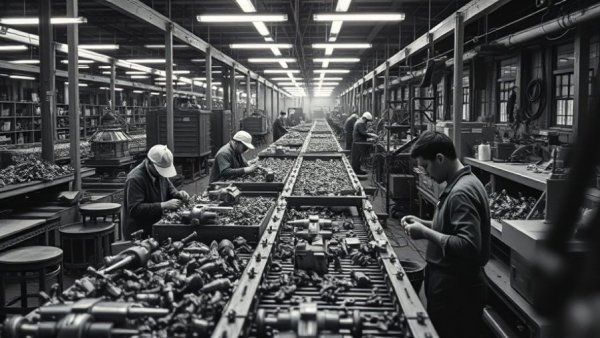
Imagine a time when children rushed home, eager to play with sturdy metal toy trucks and tractors rather than today’s sleek plastic gadgets. The golden age of metal toys—from the 1920s to the 1970s—was marked by brands like Tonka and Buddy L, producing toys that embodied resilience and creativity. These toys didn’t just engage kids; they sparked imagination in a way that no battery-operated gadget could. Whether pulling them through dirt or racing them in the backyard, kids found joy in the simple designs and durable constructions of these toys.
Why Metal Toys Remain Cherished
Durable construction was a hallmark of pressed steel toys, meaning they could withstand the rough play of excited children and the tests of time. Unlike the contemporary toys filled with digital components, metal toys like those from Buddy L and Tonka were made of automotive-quality steel. Ed Sandford, an antiques dealer and nostalgic enthusiast, explains that the heavy-duty design often resulted in accidents when little toes met these toys, but it also ensured their longevity. Parents and children alike appreciated the fact that these toys could endure not just hours of play but also years of memories.
Nostalgia Triggers Interest
The fascination with these robust toys continues to thrive in collector circles. For instance, a rare Buddy L truck from the 1920s can fetch over $65,000 at auction, showcasing the deep-rooted nostalgia for these timeless playthings. This emotional connection fosters a burgeoning market for vintage toys as collectors seek pieces that remind them of their childhood adventures. Not only do these toys remind them of simpler times, but they also represent an era where creativity blossomed without the distractions of modern technology. Collectors often take pride in restoring and preserving these toys, telling stories of the joys they brought to past generations.
Impact of Economic Changes
Despite the colorful history of metal toys, the industry faced significant upheaval during the Great Depression and World War II. Most manufacturers, including Buddy L and Tonka, had to navigate economic hardships, while many others succumbed to scrap drives. The scarcity of materials during the war meant that many children lost their beloved metal toys to the metal scrap drives aimed at aiding the war effort. After the war, Structo Manufacturing emerged as a leader, highlighting the adaptability required in an ever-evolving market. As demand shifted, those willing to innovate and adapt to changing times were the ones who thrived, simply illustrating the resilience of both the toys and the manufacturers.
Modern Perspectives: Manufacturing and Tariffs
As today's manufacturers consider the revitalization of durable toys, they must contend with contemporary challenges. Tariffs on imported goods and evolving consumer habits drive manufacturers to rethink production methods. Many parents today seek toys that inspire creativity without depending on electronics, creating a potential niche for durable toys once more. This shift opens up discussions on how reviving the production of pressed steel toys could align with current market demands while bringing back timeless play experiences. The journey towards re-establishing pressed steel toy manufacturing could not only revitalize a classic industry but also foster innovation in design and personality in these toys.
To Make or Not to Make: Decisions Facing Manufacturers
With the manufacturing landscape constantly evolving, manufacturers face crucial decisions regarding product offerings. The longing for the simplicity and resilience of metal toys juxtaposes against the high-tech trends that dominate today’s market. This presents an opportunity: to combine the best of both worlds. Manufacturers must analyze what appeals to modern consumers while staying true to the nostalgia of yesteryear. The challenge lies in finding the balance between quality and cost, especially when competing with cheaper plastic alternatives.
As we reflect on the golden age of metal toys, it’s clear that they were more than just childhood possessions; they were symbols of creativity and adventure. Exploring this history equips today's manufacturers with insights into consumer desires for authenticity and quality. Companies looking to innovate should pay close attention to the selling points of products past, merging them skillfully with contemporary technological advancements. By integrating modern safety standards and environmental consciousness into their designs, manufacturers can revive the charm of metal toys while appealing to the values of today’s consumers.
Embark on this journey into playful memories, and explore how the resurgence of vintage manufacturing could reshape our toy industry. Connecting past with future offers invaluable insights as we navigate modern toy production.



Write A Comment