








A Major Expansion in Europe’s Largest Port
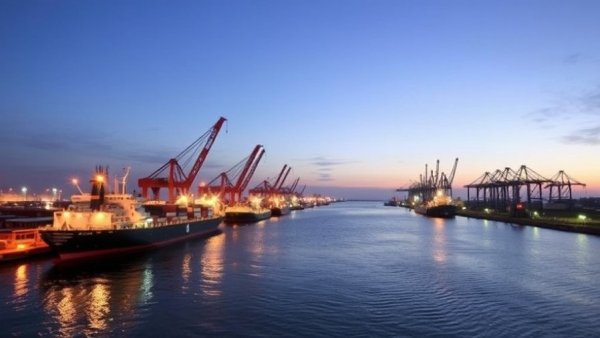
Rotterdam has long been the backbone of European trade, and the recent announcement regarding the expansion of the Maasvlakte II terminal reflects its critical role in powering import and export dynamics across the continent. With a scheduled increase in capacity of 1.4 million TEU (twenty-foot equivalent units) annually, the terminal will undergo a significant 35% expansion by 2030. This generous addition of 25 hectares of terminal space further solidifies Rotterdam’s position as a linchpin in the logistics and shipping industry.
Coping with Northern Europe's Congestion
The expansion is primarily a strategic response to ongoing congestion problems gripping northern Europe. APM Terminals, in partnership with the Port of Rotterdam Authority, is gearing up for construction from October 2027 to January 2030. Enhanced capacity is expected to alleviate bottlenecks and improve the flow of goods, making it easier for import/export companies to navigate through maritime trade routes more efficiently.
Health and Climate Costs: A Growing Concern
However, this expansion is not without its challenges. New research from the European non-profit Transport & Environment (T&E) unearthed alarming data estimating that ships at berth in Rotterdam incur approximately €339 million annually in health and climate costs. This figure marks the highest among Europe’s major ports, drawing attention to the environmental impact of maritime operations. Contributing to this financial toll are emissions directly linked to fossil fuels burned during docking procedures. Lead author Éloi Nordé emphasizes that while Rotterdam’s Maasvlakte II aims for carbon-neutral operations within its own infrastructure, the ships that frequent the port still significantly contribute to emissions.
Need for Shore Power Solutions
The push for an immediate transition to shore power—a sustainable alternative that connects vessels to the port’s electricity grid—is critical. This initiative could significantly reduce onboard emissions. For example, under a recent agreement signed by APM Terminals with Rotterdam Shore Power, it is estimated that connecting vessels to shore power could decrease CO₂ emissions by nearly 7,000 tonnes per year. The proposed system will enable vessels to draw around 13,000 megawatts per hour (MWh) from the terminal’s grid starting in 2028, an essential step toward minimizing the port's climate footprint.
Legislative Pressure and Future Forecasts
The urgency for cleaner operations is compounded by regulatory frameworks like the EU’s Alternative Fuels Infrastructure Regulation (AFIR). Designed to hold major ports accountable, the AFIR mandates that by 2030, at least 90% of container, passenger, and cruise ship calls surpassing 5,000 gross tonnes must access shore power in port. Currently, less than 40% of emissions stemming from in-port operations are effectively regulated, demonstrating the gap between existing legislation and actual practices.
The Ripple Effect of Expansion Plans
The environmental implications of accelerating the Port of Rotterdam’s expansion are considerable. While enhancing capacity promises economic benefits and smoother trade operations, the call for stringent measures to mitigate emissions reflects the growing awareness that economic advancement must be matched by environmental responsibility. Aligning with the sentiment expressed by analysts like Nordé, it is essential that this expansion does not exacerbate repercussions for local communities, particularly considering the projected health and climate costs incurred by continuing high emissions levels.
Conclusion: A Balancing Act
In the end, the Port of Rotterdam stands at a crossroads. Ambitiously expanding its capacity while prioritizing sustainability may be the key to preserving its competitive edge in global trade. Import-export manufacturers, while facing the complex interplay of tariffs and environmental regulations, must remain acutely aware of the developments in Rotterdam. The balance between capacity enhancement and the imperative of reducing emissions is not merely a matter of corporate responsibility; it is a determinant of future viability for businesses reliant on this pivotal trade passage.








Write A Comment