








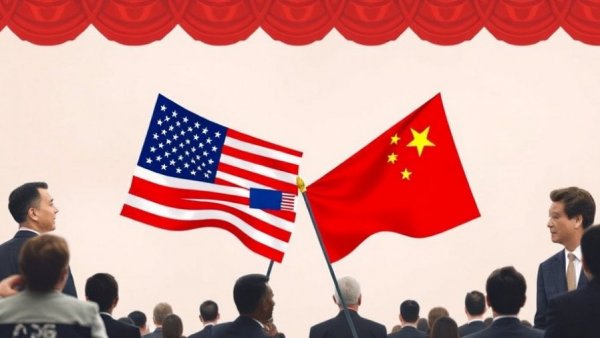
Shifts in U.S.-China Relations Post-Democratic Midterms
The recent Democratic midterms sweep has set the stage for significant changes in U.S.-China relations, particularly in areas related to trade and technology. As the Democrats take control, manufacturers and entrepreneurs alike need to understand how these changes might influence their operations. This political shift could mean new policies regarding trade agreements and tariffs, which are crucial for businesses relying on global supply chains.
Why These Changes Matter for Manufacturers
For manufacturers, the implications are crystal clear: shifts in trade policy can have immediate impacts on costs and supply chains. If tariffs on Chinese imports are altered, it could either alleviate burdens or introduce new challenges. Keeping an eye on these developments can help manufacturers position themselves strategically, ensuring they remain competitive while navigating the complexities of international trade. Understanding the political climate may also help to gauge potential future regulatory changes that could impact various sectors in manufacturing.
The Tech Rivalry: Impact on Innovation and Imports
The tech rivalry between the U.S. and China continues to grow, and the Democratic victory may sharpen this competition. Codifying limits on certain technology exports to China not only affects big players but also innovators and startups that rely on tech transfers. This scenario underscores a crucial point for manufacturers: staying updated on regulatory changes can help guide investment decisions in new technologies and partnerships. A manufacturer’s ability to innovate is directly tied to how well they can navigate the tech export landscape.
Global Finance Trends to Consider
With changes in the political landscape, global finance trends are increasingly relevant for businesses. The potential for revised trade agreements may bolster or hamper economic growth. As manufacturers, understanding these finance dynamics enables better planning and risk assessments. Leaning into financial strategies that align with these trends can open doors to new markets and opportunities. Keeping a pulse on how new regulations will affect financing availability and cost could prove beneficial for budgeting and long-term planning.
Preparing for Trade Tariffs: Strategies Going Forward
A significant concern among manufacturers is potential trade tariffs. In assessing your current supply chain and production processes, it's essential to design strategies that can adapt to rapid changes in tariffs. This could mean diversifying suppliers, exploring domestic production options, or focusing on vertical integration. Considering these factors not only promotes resilience but also positions a manufacturer for growth, ensuring they can pivot when necessary.
Emotional Insight: The Human Face of Manufacturing
The effects of trade policies don’t just impact bottom lines; they affect real people. When manufacturers consider international competition and tariffs, they must also think about their employees, communities, and stakeholders. Creating a supportive environment that allows for innovation and adaptation leads to stronger teams and brand loyalty. Manufacturers are encouraged to engage their workforce in discussions about how these changes may affect job security and opportunities for advancement, fostering unity and morale.
Actionable Insights for Manufacturers in a Shifting Landscape
In this rapidly evolving climate, what actionable steps can manufacturers take? First, prioritize staying informed about the political and economic landscape. Regularly engaging with industry updates can equip businesses with the knowledge to pivot as necessary. Additionally, consider cultivating relationships with trade associations that advocate for manufacturers at the federal level. Joining industry groups can also offer resources and support that make navigating these changes easier.
Moving Forward: A Call to Action for Informed Engagement
With the political landscape set to shift, manufacturers have to seize the opportunity to refine their strategies and prepare for what's ahead. Actively engaging with local representatives and voicing concerns or insights can pave the way for beneficial policies that support growth. The time is now to be proactive and united in shaping the future of U.S.-China relations and its impact on manufacturing. By becoming involved in advocacy efforts, manufacturers can help to ensure that their voices are heard in policy discussions impacting their industry.







Write A Comment