Global Trade News
update
Global Trade News
update
SCHEDULE YOUR INTERVIEW 
  • Home
  • Categories
    • Policy Pulse
    • Compliance Corner
    • Market Movers
    • Supply Chain
    • Export Essentials
    • Manufacture Technology
    • Regulatory Roundup
    • Market Intelligence
    • More Spotlights
    • More Videos
  • update
  • update
  • update
  • update
  • update
  • update
  • update
October 29.2026
1 Minute Read

Deep Drawing and Hydroforming: Essential Guide for Accurate Quotes

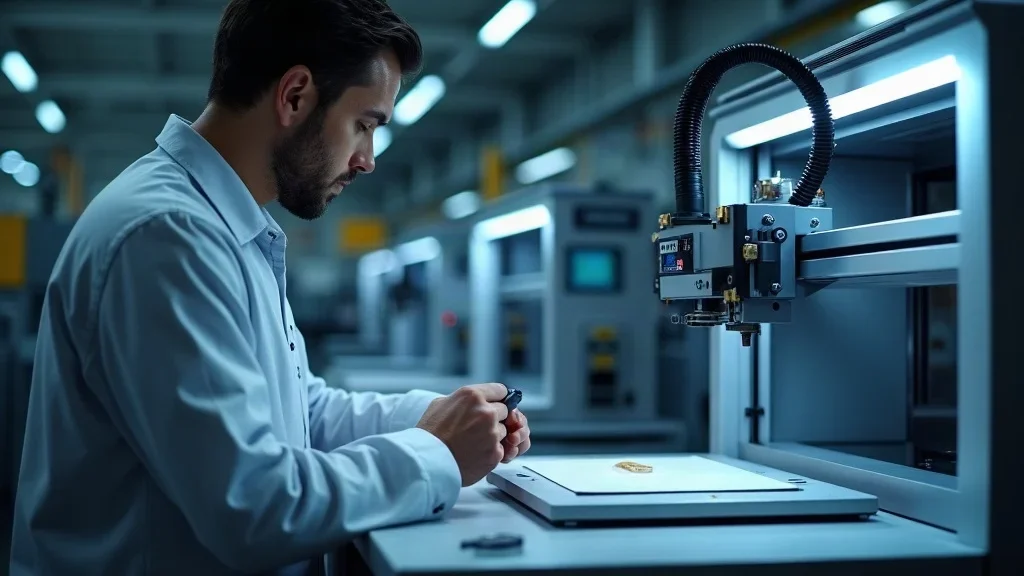
Before manufacturers can provide an accurate quote for your next project, they require much more than just part dimensions or a verbal description. Imagine a busy engineering office where teams pore over detailed technical schematics, material samples, and prototype metal parts—all to ensure your deep drawing and hydroforming needs are fully understood. For those seeking flawless deep drawing and hydroforming, knowing what to prepare ahead of time can streamline your project and set the tone for success.

Understanding Deep Drawing and Hydroforming Processes

Deep drawing and hydroforming are two advanced metal forming techniques that enable manufacturers to produce complex, high-precision components used in everything from aircraft parts to consumer products. In deep drawing, a flat sheet metal blank is forced into a die cavity by a punch, pulling the material to eventually create seamless, deep, and robust shapes—a process essential to forming parts with remarkable depth and geometry. Hydroforming, on the other hand, employs high-pressure hydraulic fluid to press metal sheets or tubes into a die, enabling the production of lightweight yet structurally strong metal parts unattainable by conventional methods.

Both methods provide unique benefits in the creation of precision metal components. Deep draw hydroforming particularly shines for its ability to craft intricate or irregular geometries. Modern manufacturing relies on these processes for efficient mass production, resulting in consistent quality and reduced waste. From automotive to aerospace industries, the role of deep drawing and hydroforming cannot be understated as they facilitate innovative product design, reduce part wall irregularities, and optimize material use.
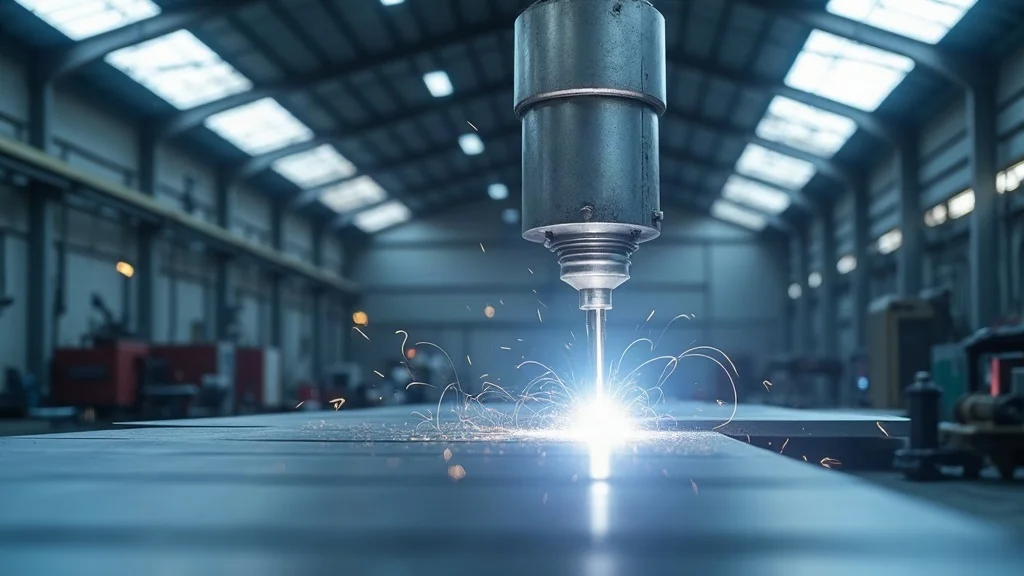
deep drawing and hydroforming machines in operation in modern metal fabrication workshop
  • Definition of deep drawing and hydroforming: Key forming processes that shape metal into complex or seamless parts using punch-and-die or hydraulic pressure.

  • Overview of deep draw hydroforming applications: Ideal for automotive, aerospace, appliance, and industrial sectors.

  • Role of deep drawing and hydroforming in today’s manufacturing: Enables innovative design, accuracy, and material efficiency for complex parts.

What You'll Learn in This Guide

  • Key prerequisites for quoting deep drawing and hydroforming

  • Differences between deep draw and hydroforming processes

  • Critical documents and technical data required

Essential Information Needed for Deep Drawing and Hydroforming Quotations

Accurate quotes depend on much more than rough sketches or simple dimensions. Manufacturers base every project on critical technical data and clear communication. When seeking a deep draw hydroforming quote, being thorough and precise with your project details helps suppliers match process capabilities to your requirements and avoid missteps from the start.

Suppliers depend on robust information to determine if your project is suitable for deep drawing, draw hydroforming, or another metal forming method. Sharing the correct details—such as CAD files, volume projections, material specs, and tolerance limits—not only speeds up the quotation but ensures your precision expectations are met from design through production.

For a deeper dive into how technical drawings and CAD files directly impact manufacturability and cost estimation in metal forming, you may find it helpful to explore additional resources that break down the quoting process step by step. This can provide further clarity on why detailed documentation is so crucial for both deep drawing and hydroforming projects. Learn more about best practices in technical documentation for manufacturing quotations.

Technical Drawings and Specifications for Deep Drawing and Hydroforming

To begin, manufacturers require detailed technical drawings or CAD files for the proposed metal part. These documents specify dimensions, tolerances, part wall thickness, and unique feature requirements. If you provide both blueprints and digital models, parts can be assessed for manufacturability, highlighting potential issues like radii, deep draw lines, or material flow into the die.

  • CAD files and blueprints

  • Product material specifications

  • Tolerances and measurement details

technical drawing and CAD files for metal part quoting deep drawing and hydroforming

Volume, Production Runs, and Lead Times

Next, clarify the expected order quantity and preferred timeline. These factors directly impact tool design choices, forming press selection, and overall cost structure. Whether you need a short prototype run or a high-volume production batch, communicating lead time expectations enables manufacturers to plan resources accordingly and recommend the best-fit deep drawing or draw hydroforming process.

  • Expected order quantities

  • Target delivery schedules

  • Significance for deep draw and hydroforming quoting

Material Selection in Deep Drawing and Hydroforming

Identifying the right material is pivotal for deep draw hydroforming projects. Each metal—be it aluminum, steel, or copper—offers distinct forming properties, affecting drawability, final part wall strength, and overall product performance. Equally vital is specifying the required form (sheet, coil, or tube), grain direction, and precise thickness. These details ensure the drawing process achieves intended geometry and surface quality.

  • Popular metals for deep draw hydroforming: steel, aluminum, copper, and specialized alloys

  • Material form and thickness considerations: Affect part durability and manufacturability

deep draw hydroforming material selection metal sample display

Critical Specifications for Deep Draw Hydroforming Quotes

Moving beyond basics, suppliers need precise tolerance levels, industry certifications, and surface finish details. Getting these right at the start prevents costly revisions. High precision metal applications, such as for aircraft parts or medical devices, demand unwavering attention to compliance with global standards.

Tolerance Levels and Quality Standards for Deep Drawing

Every deep drawing and deep draw hydroforming project must define allowable variations in part dimensions—known as tolerances. Manufacturers must also know which quality certifications are mandatory—be it ISO or industry-specific guidelines—which ensures your drawn part meets regulatory standards and customer requirements.

  • Quality certifications required: (e.g., ISO, ASTM, aerospace or medical compliance)

  • Industry guidelines and compliance: Prevents production errors and ensures consistency

Surface Finish Requirements in Deep Drawing and Hydroforming

The final look and function of a metal part hinges on its surface finish—both aesthetic and functional. Some applications may require a mirror-like polish, while others need a specific coating or texture for corrosion resistance, wear protection, or improved forming. Detailing these expectations enables manufacturers to allocate the correct post-processing or coating steps.

  • Aesthetic vs. functional finishes

  • Coating or post-processing needs (e.g., anodizing, plating, painting)
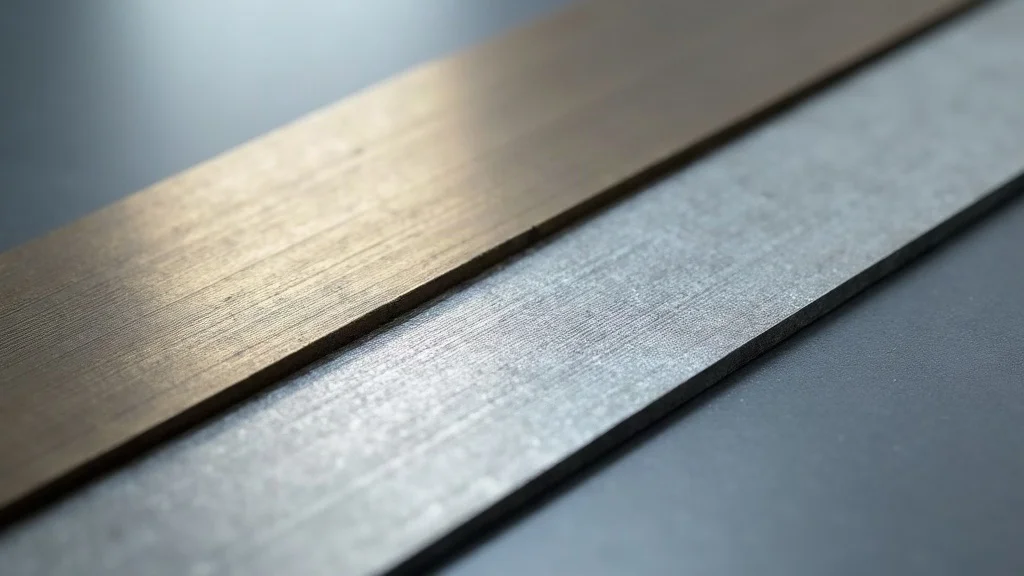
surface finishes for deep drawing and hydroforming matte vs glossy samples

Table: Checklist of Items Needed for Deep Drawing and Hydroforming Quotations

Information Required

Relevance to Deep Draw

Relevance to Hydroforming

Technical Drawings (CAD, Blueprints)

Essential for die and punch design

Used for die mold and hydraulic setup

Material Type & Thickness

Impacts drawability and tolerance

Determines formability and pressure needs

Tolerances & Measurements

Defines part wall and feature limits

Critical for dimension control

Order Quantities

Informs tooling investment

Guides production scale

Surface Finish/Coating Needs

Drives secondary processing

Influences die and process choice

Certifications/Compliance

Ensures industry standards

Required for certain sectors

Noteworthy Industry Insights from American Aluminum

"The depth, geometry, and volume of your part are equally important when planning a successful deep drawing or hydroforming project." — American Aluminum Technical Team

Lists of Mistakes to Avoid in Deep Draw Hydroforming Quotations

  1. Overlooking all key specifications in requests

  2. Neglecting necessary supporting documents for deep draw hydroforming

  3. Assuming all providers use the same standards

People Also Ask
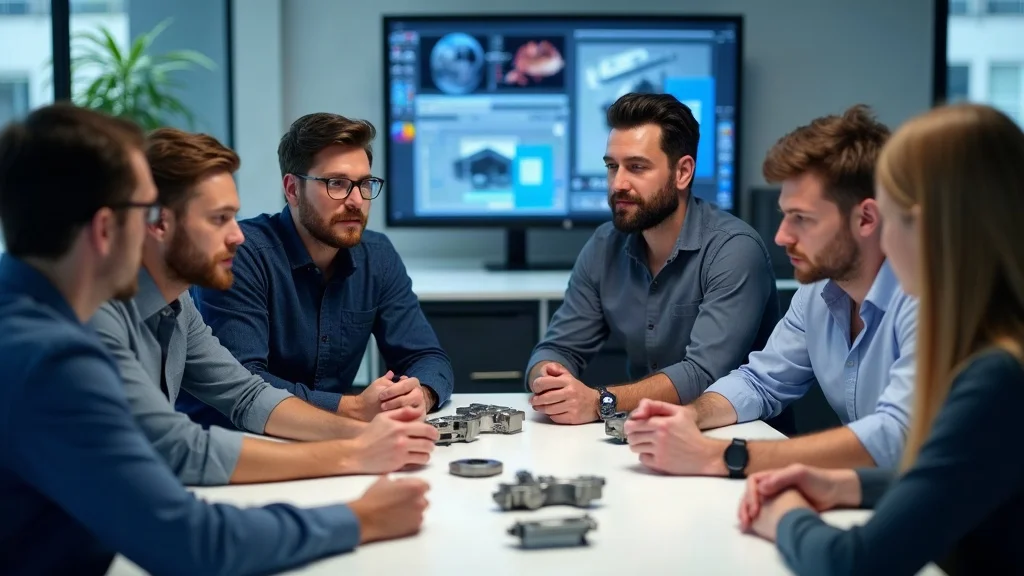
engineers discuss deep drawn and hydroformed metal sample parts in meeting

What is deep drawing forming?

Deep drawing forming is a sheet metal forming process where a flat sheet is radially drawn into a forming die by the mechanical action of a punch, producing seamless, hollow shapes used in many industries. It enables manufacturers to produce parts with significant depth and structural integrity that would be difficult or impossible to assemble from simpler stamping or fabrication. The process is especially valued for manufacturing deep drawn components required in automotive, aerospace, and industrial applications, delivering robustness and versatility in metal part production.

What is the hydroforming process?

Hydroforming is a manufacturing method that uses a high-pressure hydraulic fluid to press room temperature metal into a die, allowing the creation of complex, lightweight, and strong metal parts. This forming process is widely used for parts with contoured, irregular, or varying cross-sections, and is prized for its ability to form complex parts efficiently. By controlling the fluid pressure during the hydroforming process, manufacturers can achieve outstanding detail, structural performance, and reduced risk of part wall defects in industries like automotive and aerospace.

What are the disadvantages of deep drawing?

Disadvantages of deep drawing include limitations with complex geometries, potential for wrinkling or tearing, and higher setup costs compared to simpler stamping or fabrication methods. Parts that require extreme depth-to-diameter ratios may pose challenges such as irregular part wall distribution or tearing, and this process usually demands careful control of blank holder force and tool design parameters to avoid failures. Additionally, initial investment in specialized tooling—for example, for deep draw hydroforming—can be significant for custom or low-volume jobs.

Is deep drawing the same as stamping?

While both deep drawing and stamping are metal forming techniques, deep drawing involves creating deep, hollow shapes through drawing, whereas stamping generally refers to shallower or simpler metal forming. Stamping may include blanking, piercing, and bending, but does not typically permit the depth or seamless geometry delivered by the deep draw process. The choice between these methods depends on the intended part geometry, required strength, and functional application.

FAQs on Deep Drawing and Hydroforming Quotations

  • How do I prepare a complete RFQ (Request for Quote) for deep drawing and hydroforming?
    To prepare a comprehensive RFQ, gather all technical drawings, material specifications, surface finish requirements, volume and timeline estimates, and any compliance documentation. Clear details allow suppliers to accurately evaluate and quote your project.

  • What documentation should I include for accurate quoting?
    Include CAD files, detailed blueprints, specific part tolerances, chosen metals and thicknesses, plus any relevant certifications or finish standards required by your industry.

  • Can deep draw hydroforming meet my precision and quality requirements?
    Yes, with the correct specifications and collaboration with expert providers like American Aluminum, deep draw hydroforming can deliver high-precision and industry-compliant parts for demanding applications.

Key Takeaways

  • Preparation is critical: Gather all specs, drawings, and material data.

  • Clear communication ensures accurate, timely deep drawing and hydroforming quotes.

  • Consult experienced providers like American Aluminum for optimal process selection.

Summary and Next Steps

  • Review all requirements before approaching deep drawing and hydroforming suppliers.

  • Prepare comprehensive documentation to streamline the quotation process.

Dynamic, professionally produced video walkthrough illustrating the step-by-step quotation process for deep drawing and hydroforming, using animation, real manufacturing footage, and expert voiceover to explain document preparation, technical drawing review, production planning, and material selection.

Ready to Connect with Industry Leaders?

business networking in deep drawing and hydroforming industry, professional handshake
  • Have industry insights or news tips? Reach out and join our network of global trade professionals today! Schedule your interview with Global Trade News.

As you continue to refine your approach to deep drawing and hydroforming quotations, consider expanding your perspective to the broader landscape of global trade and manufacturing trends. Staying informed about the latest shifts in trade regulations, supply chain dynamics, and market opportunities can give your business a strategic edge. For ongoing insights and expert analysis that go beyond technical requirements, explore the comprehensive coverage available at Global Trade News. Whether you're seeking advanced strategies or want to stay ahead of industry developments, these resources can help you make more informed decisions and drive your projects forward with confidence.

Manufacture Technology

2 Views

Write A Comment

*
*
Please complete the captcha to submit your comment.
Related Posts All Posts
10.29.2026

Why AI Dynamics May Cause Trouble for Import Export Companies Following Alphabet's Stock Drop

Update Cloud Revenue Surge Fails to Quell Investor Concerns Alphabet Inc. has reported a noteworthy increase in its cloud revenue, doubling its figures compared to previous quarters. While this leap might seem like good news on the surface, it is overshadowed by overarching worries from investors regarding the company's performance in the search query space. With the rapid rise of Artificial Intelligence (AI) tools, many speculate whether these innovations are negatively impacting Alphabet's advertisement revenues—a core element of its business model. This situation poses complex challenges not only for Alphabet but also for innumerable companies worldwide, including those in the import-export sector. Understanding the Shift: How AI is Affecting Search The introduction of AI into the marketplace is fundamentally altering how companies engage with consumers. For Alphabet, powerful AI tools could mean that fewer users are clicking on paid results on their search engine, opting instead for instant AI-generated answers. In essence, instead of sifting through a list of ads, consumers are receiving direct responses tailored to their queries, which could drastically change Alphabet's advertising revenue streams. This shift could prompt further concerns that investors are only beginning to grasp, as data analytics indicate a clear trend towards AI-driven solutions over traditional search methods. Stakeholders in Export Trade Should Take Notice For import and export companies, this developing situation serves as a vital example of how tech trends can ripple through various industries. Companies that rely heavily on advertising for visibility need to stay on top of changing consumer behaviors driven by AI. Customizing marketing strategies to leverage new AI tools and analytics will become increasingly important. Import-export manufacturers especially should consider revisiting their marketing strategies in light of these trends, perhaps by incorporating AI to better understand and target their consumer base more effectively than before. Pivotal Questions for International Trade As businesses worldwide adapt to technological advancements, important questions arise: How does the integration of AI tools affect trade practices and tariffs? Will all businesses have the resources to compete effectively in an AI-driven market? This is particularly important for exporters who depend on timely and relevant advertising to attract customers in foreign markets. Understanding these questions could be pivotal to maintaining a competitive edge and navigating positioning and pricing effectively. Businesses should actively seek insights into how AI is being integrated into their sectors and consider training staff or hiring experts who can stay ahead of these changes. Market Reaction: What’s Next for Investors? In response to Alphabet’s recent performance, investors have demonstrated hesitance, triggering a possible historic drop in the company's stock prices. As concerns mount, stakeholders will need to weigh their options carefully. Companies dependent on Alphabet’s performance may need to consider diversifying their outreach or enhancing their marketing efforts to remain resilient in a shifting economic landscape. This may involve seeking partnerships or exploring new markets, ensuring that they are not overly reliant on a single advertising platform. Actionable Insights for Navigating Changes What can you do to prepare for these upcoming shifts? Businesses should actively analyze their current advertising strategies and explore new avenues for reaching consumers. Investing in AI-driven platforms could optimize marketing outputs or enhance service delivery. Additionally, companies might benefit from focusing on building brand loyalty through personalized experiences that AI can facilitate, providing more engaging interactions with their customers. Overall, the impact of AI on Alphabet’s core operations should serve as a clarion call for import-export companies to stay informed. The dynamics of trade and tariffs rapidly come into focus, as AI leads us into new regulations and market practices. Awareness and adaptability will be crucial in navigating these changes successfully. By proactively embracing the technologies that are reshaping our world, companies not only mitigate risks but can also seize new opportunities in this evolving digital era. As you move forward, staying connected with market trends, investing in innovative technologies, and maintaining flexibility in your strategies will prove essential. Engaging with industry discussions and continuing to learn about AI's applications can empower businesses to thrive in an increasingly competitive environment.

10.29.2026

Tesla's New Humanoid Robots are Changing the Future of Work

Update The Future of Robotics: What Tesla's New Humanoid Production Means In an exciting development for technology enthusiasts and industry leaders, Tesla has officially kicked off production of its humanoid robots, known as Optimus, in California. According to CEO Elon Musk, these robots are set to be deployed primarily for industrial applications, taking on dangerous and repetitive tasks, paving the way for a new frontier in automation. Competition Heating Up in the Robotics Arena As Tesla begins this ambitious project, it stands alongside major competitors like Toyota and Hyundai, both of which are also investing heavily in humanoid technology. Toyota has plans to deploy 400,000 robots at a staggering cost of $6.4 billion annually! Meanwhile, Hyundai, through its subsidiary Boston Dynamics, has established a new robotics center to explore various applications for their Atlas humanoids. Each of these companies aims to transition from traditional automotive manufacturing to becoming comprehensive mobility solution providers, effectively rebranding themselves as technology innovators. Innovation in Data-Driven Robotics Development The road ahead is not without its challenges. Unlike previous models such as self-driving cars, which can gather extensive data from Tesla's vast fleet, the Optimus robot will need to learn from scratch. Musk has likened the process to raising a toddler, emphasizing the importance of self-play in teaching the robots how to perform tasks autonomously. This innovative approach includes building an Optimus Academy to produce between 10,000 and 20,000 robots that will essentially 'practice' various tasks and collect data for continuous improvement. Advanced Technology at the Core of Optimus Central to the success of the Optimus robot is Tesla’s new Terafab facility in Texas, which will produce advanced AI chips necessary for the robot's operation. Musk revealed that these next-generation AI5 chips will significantly enhance the computing power of Optimus, allowing it to handle more complex tasks seamlessly. This will be a game-changer when the first units hit the market, expected to be by the end of next year. The Market for Humanoid Robots: Growing but Challenging Although humanoid robots currently make up a small segment of the global robotics market, their growth is undeniable. According to the International Federation of Robotics, about 7,000 humanoid robots were sold last year, signaling increasing interest as manufacturers seek ways to bridge the labor gap and boost automation. However, in stark contrast, a total of 603,000 robots, including industrial arms and other automated systems, were added to industrial floors around the world. This indicates that while humanoid robots are gaining attention, they must overcome significant hurdles in the global robotics landscape. Looking Ahead: Implications for Industries The advancements in robot technology will undoubtedly have wide-ranging implications across various sectors. For companies like Tesla, the goal is not merely automation but enhancing efficiency, safety, and productivity in workplaces globally. With the ability to manage physically demanding and potentially dangerous tasks, humanoid robots like Optimus could revolutionize sectors from manufacturing to healthcare. As they evolve, the integration of robots in everyday tasks presents an opportunity for substantial economic growth. As the robotics revolution unfolds, understanding the development and potential impact of these technologies is crucial. Optimus represents not just a step forward for Tesla but also a shift in how we perceive labor and technology's role in our daily lives. The narrative of robots transitioning from mere tools to capable assistants is becoming a reality, and as we await the release of exciting marketing demonstrations from Tesla, the world watches with bated breath.

10.27.2026

Convergence of Composite Process Materials and Large-format Additive Manufacturing

Imagine a bustling factory floor where massive, sleek machines rapidly construct intricate carbon fiber tools and lightweight structures, cutting lead time from weeks to days. This is not science fiction—it’s the reality brought to life by the intersection of composite process materials and large-format additive manufacturing composites (LFAM). As industries seek faster development cycles, greater design flexibility, and sustainable practices, the synergy between LFAM systems and advanced composite materials is revolutionizing how products are made—unlocking powerful opportunities and challenging old paradigms.Introduction to Large-Format Additive Manufacturing CompositesLarge-format additive manufacturing composites have quickly emerged as a transformative force in digital manufacturing, bringing together advanced material development and cutting-edge manufacturing techniques. LFAM systems empower industries to build large, complex geometries with fewer limitations than traditional methods, enabling the rapid prototyping and local manufacturing of reinforced composite structures. In factories and research labs worldwide, these systems leverage both fiber reinforcement and state-of-the-art process materials—such as those supplied by pioneers like Airtech—to efficiently produce reusable tooling, printed molds, and custom parts with enhanced durability and minimal material waste.Exploring the Growth and Impact of Additive Manufacturing in Composite MaterialsThe expansion of additive manufacturing in the composite materials sector is not just about speed—it’s about the possibility to reimagine what can be built and how. With continuous innovations in fiber composites, carbon fiber integration, and process parameters, industries like aerospace, automotive, and maritime are leveraging LFAM systems to create more complex structures, optimize supply chains, and reduce both labor and scrap. As the scale and sophistication of format additive manufacturing have increased, so have opportunities for creating lightweight structures with superior strength, as well as rapid adaptation to specific application needs or abrupt changes in demand.For those interested in how these manufacturing advancements are influencing global trade and supply chain strategies, recent coverage on Global Trade News highlights the broader implications of additive manufacturing technologies on international markets and logistics.Scenario: How Advanced Manufacturing is Shaping the Future of Large-Format Additive Manufacturing CompositesPicture an aerospace manufacturer needing to pivot quickly between custom aircraft components. With traditional composite materials and molding methods, development cycles could take months and generate significant composite scrap. Now, large-scale 3D printers, using fiber reinforcement and carbon fiber in the process material set, produce precision-engineered reusable tooling within days. This shift supports more resilient supply chains, enables the creation of complex concrete structures, and dramatically reduces energy deposition compared to legacy techniques. Such real-world transformations highlight both the impact and future promise of large-format additive manufacturing composites across high-performance industries.What You'll Learn About Large-Format Additive Manufacturing CompositesKey advancements in format additive manufacturingIntegration of composite materials and fiber reinforcementBenefits and challenges of LFAM systemsIndustry applications of carbon fiber and fiber compositesFundamentals of Large-Format Additive Manufacturing and Composite MaterialsDefining Format Additive Manufacturing and Its Role in CompositesFormat additive manufacturing—often used interchangeably with LFAM—refers to advanced manufacturing techniques that deposit layers of fiber-reinforced composite materials at a much larger scale than conventional 3D printing. This process enables unprecedented flexibility in the creation of complex geometries and lightweight structures, critical for applications in aerospace, automotive, and construction. Unlike binder jetting or traditional composite fabrication, LFAM systems blend digital manufacturing technologies with high-performance process materials, facilitating the creation of both functional prototypes and end-use components. The result is a significant reduction in build times, streamlined development cycles, and remarkable design freedom in fiber reinforced composites.Common Composite Materials Used in Large-Format Additive ManufacturingComposite materials commonly utilized in LFAM include thermoplastics like PEKK and PEEK, as well as epoxies reinforced with continuous fiber or chopped fiber infill. Carbon fiber is a staple for demanding applications, while glass fiber, aramid fiber, and custom hybrid blends are frequently used to tune properties for specific application requirements. The right choice of composite material directly impacts the structural integrity, mechanical performance, and sustainability of the final product. This matrix of options, combined with rapid prototyping capabilities, allows engineers to select material sets tailored to unique challenges, ensuring consistent part quality and minimal material scrap.Understanding Fiber Composites and Fiber ReinforcementFiber composites are engineered by embedding fibers—often carbon fiber, glass, or aramid—within a polymer or resin matrix, resulting in reinforced composite structures that offer exceptional strength-to-weight ratios. Fiber reinforcement, particularly the use of continuous fibers, drastically improves the load-bearing capacity and overall durability of parts created with large-format additive manufacturing composites. Innovations now allow for the automated placement of fiber within the build process, enabling designers to optimize energy deposition and material usage while pushing the boundaries of what’s possible with format additive manufacturing. As demand for high-performance, lightweight structures grows, the strategic use of fiber composites will continue to define the next generation of advanced manufacturing.LFAM Systems: Integrating Process Materials and TechnologiesHow LFAM Systems Enable Advanced Composite ManufacturingLFAM systems are engineered to support the integration of high-performance composite materials, fiber reinforcement strategies, and customized process materials all in one seamless workflow. What differentiates these systems from traditional manufacturing is their ability to dynamically adapt process parameters—such as feed rate, energy deposition, and fiber placement—to create reinforced composites with specific mechanical properties and minimized material waste. By combining software-driven digital manufacturing with advanced hardware, LFAM empowers manufacturers to lower build times, optimize material usage, and achieve outcomes that were once impossible using conventional techniques. Innovation in this space is driving greater scalability and flexibility, especially as demand increases for lightweight and durable custom components.Reusable Tooling and Printed Molds in Format Additive ManufacturingThe impact of LFAM extends beyond part fabrication into reusable tooling and printed molds, a space traditionally challenged by long lead times and significant labor. Companies like Airtech are transforming production by offering vacuum-bagging and additive-manufacturing tooling materials that can be additively fabricated into custom, reusable molds. These integrated process materials cut both production time and composite scrap, address scalability issues, and lower the overall labor footprint. As development cycles shrink, manufacturers can rapidly iterate mold and tool designs for specific applications, further reinforcing the business case for adopting LFAM in both prototyping and serial production.Fiber Reinforcement and Carbon Fiber in Large-Format Additive ManufacturingRole of Carbon Fiber in Composite Material ApplicationsCarbon fiber is celebrated in large-format additive manufacturing composites for its ability to impart superior tensile strength, rigidity, and weight savings. Its integration into composite material matrices—either as continuous fibers or chopped fiber inclusions—makes it indispensable for applications requiring both high structural integrity and reduced mass. In sectors like aerospace and automotive, where achieving lightweight structures is paramount, carbon fiber’s high strength-to-weight ratio translates to improved performance and energy efficiency. The flexibility of LFAM systems enables engineers to use carbon fiber selectively within the build, tailoring fiber reinforcement for optimal results while minimizing unnecessary use of costly materials.Innovations in Fiber Reinforcement for Superior Large-Format Additive Manufacturing CompositesNew developments in fiber reinforcement technology are rapidly advancing the capabilities of large-format additive manufacturing composites. Automated layup systems now allow for precision placement of continuous fibers, while hybrid material sets and reinforced composite blends can be tailored for specific mechanical or thermal performance targets. The introduction of smart process parameters enables real-time adjustment during builds, ensuring consistent layer bonding, reduced defect rates, and maximized material efficiency. As fiber composite technologies mature, expect a surge in reinforced composite structures optimized for complex geometries—giving designers new ways to address the demands of evolving industries.Case Studies: Real-World Applications of Format Additive ManufacturingAerospace: Reducing Lead Time and Composite ScrapAutomotive: Integrating Carbon Fiber and LFAM for Custom ToolingMaritime: Durable Composite Material Solutions via Format Additive ManufacturingComparing Traditional and Large-Format Additive Manufacturing for CompositesFormat Additive Manufacturing vs. Traditional Composite ProcessesFeatureTraditional CompositesLarge-Format Additive Manufacturing Composites (LFAM)Lead TimeLong (weeks to months)Short (days to weeks)Material ScrapHigh (manual trimming, offcuts)Low (integrated process materials)Design FlexibilityLimited by manual layup and toolingHighly flexible (complex geometries, digital workflows)Labor RequirementsManual, skilled labor-intensiveAutomated, reduced laborRepeatabilitySubject to human errorSoftware-controlled, highly repeatableScalabilityConstrained by tooling/setup timeScalable for local manufacturing and rapid prototypingKey Advantages of Using Large-Format Additive Manufacturing CompositesReduced Labor and Production Lead TimesMinimizing Material Scrap Through Integrated Process MaterialsDesign Flexibility With Fiber Composites and Carbon FiberChallenges and Limitations in Format Additive ManufacturingMaterial Compatibility in Composite Materials: Not all polymers and fibers are compatible with every LFAM system or process parameter set, complicating material development and limiting some applications.Complexity of Quality Control for Fiber Reinforced Parts: Ensuring consistent fiber orientation, layer adhesion, and strength can be more complex than with traditional molds, requiring advanced inspection methods and digital monitoring.Scalability Issues in Large-Format Additive Manufacturing: While LFAM systems expedite prototyping and certain types of production, scaling to true mass production across diverse markets can present supply chain, process tuning, and equipment investment hurdles.Industry Voices: Expert Perspectives on Large-Format Additive Manufacturing Composites“Airtech’s integration of vacuum-bagging and additive-manufacturing tooling materials is significantly transforming how reusable tooling and printed molds drive efficiency and sustainability in the composites industry.”Lists of Leading LFAM Systems and Composite Material InnovationsTop Providers of Format Additive Manufacturing Solutions: Market leaders focus on integrating advanced fiber composites, automation, and intuitive digital manufacturing interfaces for large-scale capability.Recent Innovations in Fiber Composite Process Materials: Examples include thermoplastic matrix enhancements, smart reactive resins, chopped fiber blends, and hybrid continuous fiber feedstocks—each improving performance, versatility, and sustainability.Best Practices for Adopting Large-Format Additive Manufacturing CompositesSelecting the Right Composite Material for Your Application: Assess the mechanical, thermal, and cost requirements for your specific application to choose the best fiber composites or carbon fiber reinforcement.Optimizing Process Materials to Reduce Scrap and Labor: Use integrated process materials (such as reusable tooling materials and vacuum-bagging solutions) to streamline production, minimize labor, and eliminate excess material waste.Ensuring Quality With Fiber Reinforced Components: Implement real-time digital monitoring and testing to maintain consistent quality, structural integrity, and targeted performance of reinforced composites through every stage of the LFAM process.Large-format additive manufacturing composites represent a significant leap forward in the fabrication of reinforced parts. By combining digital manufacturing techniques with advanced fiber composites, industries can create complex geometries, reduce build times, and minimize material waste. This new approach also allows for faster prototyping and more efficient local manufacturing, addressing many challenges faced by traditional composite manufacturing.FAQs on Large-Format Additive Manufacturing CompositesWhat are large-format additive manufacturing composites?Large-format additive manufacturing composites refer to the use of 3D printing systems designed for producing oversized, reinforced composite parts by layering thermoplastics or resins combined with fibers such as carbon fiber or glass. This approach provides greater speed, flexibility, and reduced waste compared to conventional processes.How does carbon fiber improve format additive manufacturing?Carbon fiber enhances the strength, rigidity, and lightweight properties of composite materials, making them ideal for demanding applications in aerospace and automotive. When used within LFAM systems, carbon fiber reinforcement can be tailored to optimize performance and minimize material consumption.Are format additive manufacturing and traditional composites compatible?Yes, the two are often complementary. LFAM parts can serve as molds or direct-use components in traditional composite workflows, and advances in hybrid process materials allow for seamless integration between both manufacturing approaches.What are the main benefits of LFAM systems in the composites sector?Key benefits include reduced production lead times, lower labor and scrap, enhanced design flexibility for complex shapes, and the ability to leverage fiber reinforcement for superior part performance.Key Takeaways for Industry AdoptionSeamless integration of composite materials and additive manufacturingLFAM systems drive lead time and scrap reductionsFiber reinforcement unlocks new application possibilitiesSee Large-Format Additive Manufacturing Composites in ActionWatch how engineers use a large-format 3D printer to build fiber-reinforced composite parts—showcasing process parameters, real-time adjustments, and finished structures used in demanding industrial applications.See how integrated process materials (such as Airtech’s vacuum-bagging innovations) work seamlessly with large-format additive manufacturing for tooling, molds, and composite structures—achieving new standards in efficiency and sustainability.Summary and Industry OutlookThe convergence of composite process materials and large-format additive manufacturing composites is transforming manufacturing through flexibility, efficiency, and the creation of highly functional, custom composite components. As innovation accelerates, industries embracing LFAM stand to lead the next era of sustainable, high-performance manufacturing.If you’re eager to stay ahead of the curve in advanced manufacturing and understand how these technological shifts are influencing global markets, the latest insights from Global Trade News offer a strategic perspective on trade regulations, supply chain resilience, and emerging opportunities. Exploring these resources can help you anticipate industry trends, adapt your business strategies, and leverage the full potential of composite innovations in a rapidly evolving landscape. Dive deeper to discover how global trade dynamics and manufacturing advancements are shaping the future of composites worldwide.Ready to Transform Your Composite Manufacturing?Have industry insights or news tips? Reach out and join our network of global trade professionals today! Schedule your interview with Global Trade News.

cropper
update
Global Trade News
cropper
update


An educational, content-centric platform that delivers unbiased, comprehensive, and real-time regulatory news and analysis, empowering stakeholders to make informed decisions in a complex global trade environment.


Global Trade News is a subsidiary of RP Design Web Services.

  • update
  • update
  • update
  • update
  • update
  • update
  • update
  • update
  • update
  • update
  • update
  • update
  • update
  • update

COMPANY

  • Privacy Policy
  • Terms of Use
  • Advertise
  • Contact Us
  • Menu 5
  • Menu 6

AVAILABLE FROM 8AM - 5PM

City, State

Cheshire, CT

ABOUT US

A media channel that delivers the latest insights on trade regulations, import/export compliance, policy shifts, and global market trends.  Present both US and international perspectives to provide companies with a holistic view of the evolving trade landscape.

© 2026 Global Trade News All Rights Reserved. PO Box 1189 , Cheshire, CT 06410 . Contact Us . Terms of Service . Privacy Policy

eyJjb21wYW55IjoiR2xvYmFsIFRyYWRlIE5ld3MiLCJhZGRyZXNzIjoiUE8gQm94IDExODkgIiwiY2l0eSI6IkNoZXNoaXJlIiwic3RhdGUiOiJDVCIsInppcCI6IjA2NDEwIiwiZW1haWwiOiJzYWxlc0BycGRlc2lnbi5jb20iLCJ0b3MiOiJQSEErUEhOMGNtOXVaejQ4WlcwK1YyaGxiaUI1YjNVZ2MybG5iaTFwYmlCM2FYUm9JSFZ6TENCNWIzVWdZWEpsSUdkcGRtbHVaeVp1WW5Od095QjViM1Z5SUhCbGNtMXBjM05wYjI0Z1lXNWtJR052Ym5ObGJuUWdkRzhnYzJWdVpDQjViM1VnWlcxaGFXd2dZVzVrTDI5eUlGTk5VeUIwWlhoMElHMWxjM05oWjJWekxpQkNlU0JqYUdWamEybHVaeUIwYUdVZ1ZHVnliWE1nWVc1a0lFTnZibVJwZEdsdmJuTWdZbTk0SUdGdVpDQmllU0J6YVdkdWFXNW5JR2x1SUhsdmRTQmhkWFJ2YldGMGFXTmhiR3g1SUdOdmJtWnBjbTBnZEdoaGRDQjViM1VnWVdOalpYQjBJR0ZzYkNCMFpYSnRjeUJwYmlCMGFHbHpJR0ZuY21WbGJXVnVkQzQ4TDJWdFBqd3ZjM1J5YjI1blBqd3ZjRDRLQ2p4d1BqeGhJR2h5WldZOUltaDBkSEE2THk5M2QzY3VaMjl2WjJ4bExtTnZiU0krYUhSMGNEb3ZMM2QzZHk1bmIyOW5iR1V1WTI5dFBDOWhQand2Y0Q0S0NqeHdQaVp1WW5Od096d3ZjRDRLQ2p4d1BqeHpkSEp2Ym1jK1UwVlNWa2xEUlR3dmMzUnliMjVuUGp3dmNENEtDanh3UGxkbElIQnliM1pwWkdVZ1lTQnpaWEoyYVdObElIUm9ZWFFnWTNWeWNtVnVkR3g1SUdGc2JHOTNjeUI1YjNVZ2RHOGdjbVZqWldsMlpTQnlaWEYxWlhOMGN5Qm1iM0lnWm1WbFpHSmhZMnNzSUdOdmJYQmhibmtnYVc1bWIzSnRZWFJwYjI0c0lIQnliMjF2ZEdsdmJtRnNJR2x1Wm05eWJXRjBhVzl1TENCamIyMXdZVzU1SUdGc1pYSjBjeXdnWTI5MWNHOXVjeXdnWkdselkyOTFiblJ6SUdGdVpDQnZkR2hsY2lCdWIzUnBabWxqWVhScGIyNXpJSFJ2SUhsdmRYSWdaVzFoYVd3Z1lXUmtjbVZ6Y3lCaGJtUXZiM0lnWTJWc2JIVnNZWElnY0dodmJtVWdiM0lnWkdWMmFXTmxMaUJaYjNVZ2RXNWtaWEp6ZEdGdVpDQmhibVFnWVdkeVpXVWdkR2hoZENCMGFHVWdVMlZ5ZG1salpTQnBjeUJ3Y205MmFXUmxaQ0FtY1hWdmREdEJVeTFKVXlaeGRXOTBPeUJoYm1RZ2RHaGhkQ0IzWlNCaGMzTjFiV1VnYm04Z2NtVnpjRzl1YzJsaWFXeHBkSGtnWm05eUlIUm9aU0IwYVcxbGJHbHVaWE56TENCa1pXeGxkR2x2Yml3Z2JXbHpMV1JsYkdsMlpYSjVJRzl5SUdaaGFXeDFjbVVnZEc4Z2MzUnZjbVVnWVc1NUlIVnpaWElnWTI5dGJYVnVhV05oZEdsdmJuTWdiM0lnY0dWeWMyOXVZV3hwZW1GMGFXOXVJSE5sZEhScGJtZHpMand2Y0Q0S0NqeHdQbGx2ZFNCaGNtVWdjbVZ6Y0c5dWMybGliR1VnWm05eUlHOWlkR0ZwYm1sdVp5QmhZMk5sYzNNZ2RHOGdkR2hsSUZObGNuWnBZMlVnWVc1a0lIUm9ZWFFnWVdOalpYTnpJRzFoZVNCcGJuWnZiSFpsSUhSb2FYSmtJSEJoY25SNUlHWmxaWE1nS0hOMVkyZ2dZWE1nVTAxVElIUmxlSFFnYldWemMyRm5aWE1zSUVsdWRHVnlibVYwSUhObGNuWnBZMlVnY0hKdmRtbGtaWElnYjNJZ1kyVnNiSFZzWVhJZ1lXbHlkR2x0WlNCamFHRnlaMlZ6S1M0Z1dXOTFJR0Z5WlNCeVpYTndiMjV6YVdKc1pTQm1iM0lnZEdodmMyVWdabVZsY3l3Z2FXNWpiSFZrYVc1bklIUm9iM05sSUdabFpYTWdZWE56YjJOcFlYUmxaQ0IzYVhSb0lIUm9aU0JrYVhOd2JHRjVJRzl5SUdSbGJHbDJaWEo1SUc5bUlHVmhZMmdnVTAxVElIUmxlSFFnYldWemMyRm5aU0J6Wlc1MElIUnZJSGx2ZFNCaWVTQjFjeTRnU1c0Z1lXUmthWFJwYjI0c0lIbHZkU0J0ZFhOMElIQnliM1pwWkdVZ1lXNWtJR0Z5WlNCeVpYTndiMjV6YVdKc1pTQm1iM0lnWVd4c0lHVnhkV2x3YldWdWRDQnVaV05sYzNOaGNua2dkRzhnWVdOalpYTnpJSFJvWlNCVFpYSjJhV05sSUdGdVpDQnlaV05sYVhabElIUm9aU0JUVFZNZ2RHVjRkQ0J0WlhOellXZGxjeTRnVjJVZ1pHOGdibTkwSUdOb1lYSm5aU0JoYm5rZ1ptVmxjeUJtYjNJZ1pHVnNhWFpsY25rZ2IyWWdaVzFoYVd3Z2IzSWdVMDFUTGlCVWFHbHpJR2x6SUdFZ1puSmxaU0J6WlhKMmFXTmxJSEJ5YjNacFpHVmtJR0o1SUhWekxpQkliM2RsZG1WeUxDQndiR1ZoYzJVZ1kyaGxZMnNnZDJsMGFDQjViM1Z5SUdsdWRHVnlibVYwSUhObGNuWnBZMlVnY0hKdmRtbGtaWElnWVc1a0lHTmxiR3gxYkdGeUlHTmhjbkpwWlhJZ1ptOXlJR0Z1ZVNCamFHRnlaMlZ6SUhSb1lYUWdiV0Y1SUdsdVkzVnlJR0Z6SUdFZ2NtVnpkV3gwSUdaeWIyMGdjbVZqWldsMmFXNW5JR1Z0WVdsc0lHRnVaQ0JUVFZNZ2RHVjRkQ0J0WlhOellXZGxjeUIwYUdGMElIZGxJR1JsYkdsMlpYSWdkWEJ2YmlCNWIzVnlJRzl3ZEMxcGJpQmhibVFnY21WbmFYTjBjbUYwYVc5dUlIZHBkR2dnYjNWeUlHVnRZV2xzSUdGdVpDQlRUVk1nYzJWeWRtbGpaWE11SUZsdmRTQmpZVzRnWTJGdVkyVnNJR0YwSUdGdWVTQjBhVzFsTGlCS2RYTjBJSFJsZUhRZ0puRjFiM1E3VTFSUFVDWnhkVzkwT3lCMGJ5QThhR2xuYUd4cFoyaDBJR05zWVhOelBTSmpiMjF3WVc1NVVHaHZibVZWY0dSaGRHVWlQaXN4TWpBek1qY3hOems1TVR3dmFHbG5hR3hwWjJoMFBpNGdRV1owWlhJZ2VXOTFJSE5sYm1RZ2RHaGxJRk5OVXlCdFpYTnpZV2RsSUNaeGRXOTBPMU5VVDFBbWNYVnZkRHNnZEc4Z2RYTXNJSGRsSUhkcGJHd2djMlZ1WkNCNWIzVWdZVzRnVTAxVElHMWxjM05oWjJVZ2RHOGdZMjl1Wm1seWJTQjBhR0YwSUhsdmRTQm9ZWFpsSUdKbFpXNGdkVzV6ZFdKelkzSnBZbVZrTGlCQlpuUmxjaUIwYUdsekxDQjViM1VnZDJsc2JDQnVieUJzYjI1blpYSWdjbVZqWldsMlpTQlRUVk1nYldWemMyRm5aWE1nWm5KdmJTQjFjeTQ4TDNBK0NnbzhjRDQ4YzNSeWIyNW5QbGxQVlZJZ1VrVkhTVk5VVWtGVVNVOU9JRTlDVEVsSFFWUkpUMDVUUEM5emRISnZibWMrUEM5d1Bnb0tQSEErU1c0Z1kyOXVjMmxrWlhKaGRHbHZiaUJ2WmlCNWIzVnlJSFZ6WlNCdlppQjBhR1VnVTJWeWRtbGpaU3dnZVc5MUlHRm5jbVZsSUhSdk9qd3ZjRDRLQ2p4dmJENEtDVHhzYVQ1d2NtOTJhV1JsSUhSeWRXVXNJR0ZqWTNWeVlYUmxMQ0JqZFhKeVpXNTBJR0Z1WkNCamIyMXdiR1YwWlNCcGJtWnZjbTFoZEdsdmJpQmhZbTkxZENCNWIzVnljMlZzWmlCaGN5QndjbTl0Y0hSbFpDQmllU0IwYUdVZ1UyVnlkbWxqWlNZak16azdjeUJ5WldkcGMzUnlZWFJwYjI0Z1ptOXliU0FvYzNWamFDQnBibVp2Y20xaGRHbHZiaUJpWldsdVp5QjBhR1VnSm5GMWIzUTdVbVZuYVhOMGNtRjBhVzl1SUVSaGRHRW1jWFZ2ZERzcElHRnVaRHd2YkdrK0NnazhiR2srYldGcGJuUmhhVzRnWVc1a0lIQnliMjF3ZEd4NUlIVndaR0YwWlNCMGFHVWdVbVZuYVhOMGNtRjBhVzl1SUVSaGRHRWdkRzhnYTJWbGNDQnBkQ0IwY25WbExDQmhZMk4xY21GMFpTd2dZM1Z5Y21WdWRDQmhibVFnWTI5dGNHeGxkR1V1SUVsbUlIbHZkU0J3Y205MmFXUmxJR0Z1ZVNCcGJtWnZjbTFoZEdsdmJpQjBhR0YwSUdseklIVnVkSEoxWlN3Z2FXNWhZMk4xY21GMFpTd2dibTkwSUdOMWNuSmxiblFnYjNJZ2FXNWpiMjF3YkdWMFpTd2diM0lnZDJVZ2FHRjJaU0J5WldGemIyNWhZbXhsSUdkeWIzVnVaSE1nZEc4Z2MzVnpjR1ZqZENCMGFHRjBJSE4xWTJnZ2FXNW1iM0p0WVhScGIyNGdhWE1nZFc1MGNuVmxMQ0JwYm1GalkzVnlZWFJsTENCdWIzUWdZM1Z5Y21WdWRDQnZjaUJwYm1OdmJYQnNaWFJsTENCM1pTQm9ZWFpsSUhSb1pTQnlhV2RvZENCMGJ5QnpkWE53Wlc1a0lHOXlJRHh6ZEhKdmJtYytQSE53WVc0Z2MzUjViR1U5SW1OdmJHOXlPaU5HUmpBd01EQTdJajUwWlhKdGFXNWhkR1VnZVc5MWNpQmhZMk52ZFc1MEwzQnliMlpwYkdVZ1lXNWtJSEpsWm5WelpTQmhibmtnWVc1a0lHRnNiQ0JqZFhKeVpXNTBJRzl5SUdaMWRIVnlaU0IxYzJVZ2IyWWdkR2hsSUZObGNuWnBZMlVnS0c5eUlHRnVlU0J3YjNKMGFXOXVJSFJvWlhKbGIyWXBMand2YzNCaGJqNDhMM04wY205dVp6NDhMMnhwUGdvOEwyOXNQZ29LUEhBK0ptNWljM0E3UEM5d1BnbzhhR2xuYUd4cFoyaDBJR05zWVhOelBTSmpiMjF3WVc1NVRtRnRaVlZ3WkdGMFpTSStSMnh2WW1Gc0lGUnlZV1JsSUU1bGQzTThMMmhwWjJoc2FXZG9kRDQ4WW5JZ0x6NEtQR2hwWjJoc2FXZG9kQ0JqYkdGemN6MGlZMjl0Y0dGdWVVRmtaSEpsYzNOVmNHUmhkR1VpUGxCUElFSnZlQ0F4TVRnNUlDd2dRMmhsYzJocGNtVXNJRU5VSURBMk5ERXdQQzlvYVdkb2JHbG5hSFErUEdKeUlDOCtDanhvYVdkb2JHbG5hSFFnWTJ4aGMzTTlJbU52YlhCaGJubFFhRzl1WlZWd1pHRjBaU0krS3pFeU1ETXlOekUzT1RreFBDOW9hV2RvYkdsbmFIUStQR0p5SUM4K0NqeG9hV2RvYkdsbmFIUWdZMnhoYzNNOUltTnZiWEJoYm5sRmJXRnBiRlZ3WkdGMFpTSStjMkZzWlhOQWNuQmtaWE5wWjI0dVkyOXRQQzlvYVdkb2JHbG5hSFErIiwicHJpdmFjeSI6IlBIQStQSE4wY205dVp6NVFVa2xXUVVOWlBDOXpkSEp2Ym1jK1BDOXdQZ29LUEhBK1BITjBjbTl1Wno1VWFHVWdhVzVtYjNKdFlYUnBiMjRnY0hKdmRtbGtaV1FnWkhWeWFXNW5JSFJvYVhNZ2NtVm5hWE4wY21GMGFXOXVJR2x6SUd0bGNIUWdjSEpwZG1GMFpTQmhibVFnWTI5dVptbGtaVzUwYVdGc0xDQmhibVFnZDJsc2JDQnVaWFpsY2lCaVpTQmthWE4wY21saWRYUmxaQ3dnWTI5d2FXVmtMQ0J6YjJ4a0xDQjBjbUZrWldRZ2IzSWdjRzl6ZEdWa0lHbHVJR0Z1ZVNCM1lYa3NJSE5vWVhCbElHOXlJR1p2Y20wdUlGUm9hWE1nYVhNZ2IzVnlJR2QxWVhKaGJuUmxaUzQ4TDNOMGNtOXVaejQ4TDNBK0NnbzhjRDQ4YzNSeWIyNW5Qa2xPUkVWTlRrbFVXVHd2YzNSeWIyNW5Qand2Y0Q0S0NqeHdQanhsYlQ1WmIzVWdZV2R5WldVZ2RHOGdhVzVrWlcxdWFXWjVJR0Z1WkNCb2IyeGtJSFZ6TEM0Z1lXNWtJR2wwY3lCemRXSnphV1JwWVhKcFpYTXNJR0ZtWm1sc2FXRjBaWE1zSUc5bVptbGpaWEp6TENCaFoyVnVkSE1zSUdOdkxXSnlZVzVrWlhKeklHOXlJRzkwYUdWeUlIQmhjblJ1WlhKekxDQmhibVFnWlcxd2JHOTVaV1Z6TENCb1lYSnRiR1Z6Y3lCbWNtOXRJR0Z1ZVNCamJHRnBiU0J2Y2lCa1pXMWhibVFzSUdsdVkyeDFaR2x1WnlCeVpXRnpiMjVoWW14bElHRjBkRzl5Ym1WNWN5WWpNems3SUdabFpYTXNJRzFoWkdVZ1lua2dZVzU1SUhSb2FYSmtJSEJoY25SNUlHUjFaU0IwYnlCdmNpQmhjbWx6YVc1bklHOTFkQ0J2WmlCRGIyNTBaVzUwSUhsdmRTQnlaV05sYVhabExDQnpkV0p0YVhRc0lISmxjR3g1TENCd2IzTjBMQ0IwY21GdWMyMXBkQ0J2Y2lCdFlXdGxJR0YyWVdsc1lXSnNaU0IwYUhKdmRXZG9JSFJvWlNCVFpYSjJhV05sTENCNWIzVnlJSFZ6WlNCdlppQjBhR1VnVTJWeWRtbGpaU3dnZVc5MWNpQmpiMjV1WldOMGFXOXVJSFJ2SUhSb1pTQlRaWEoyYVdObExDQjViM1Z5SUhacGIyeGhkR2x2YmlCdlppQjBhR1VnVkU5VExDQnZjaUI1YjNWeUlIWnBiMnhoZEdsdmJpQnZaaUJoYm5rZ2NtbG5hSFJ6SUc5bUlHRnViM1JvWlhJdVBDOWxiVDQ4TDNBK0NnbzhjRDQ4YzNSeWIyNW5Qa1JKVTBOTVFVbE5SVklnVDBZZ1YwRlNVa0ZPVkVsRlV6d3ZjM1J5YjI1blBqd3ZjRDRLQ2p4d1BqeHpkSEp2Ym1jK1dVOVZJRVZZVUZKRlUxTk1XU0JWVGtSRlVsTlVRVTVFSUVGT1JDQkJSMUpGUlNCVVNFRlVPand2YzNSeWIyNW5Qand2Y0Q0S0NqeHZiRDRLQ1R4c2FUNVpUMVZTSUZWVFJTQlBSaUJVU0VVZ1UwVlNWa2xEUlNCSlV5QkJWQ0JaVDFWU0lGTlBURVVnVWtsVFN5NGdWRWhGSUZORlVsWkpRMFVnU1ZNZ1VGSlBWa2xFUlVRZ1QwNGdRVTRnSm5GMWIzUTdRVk1nU1ZNbWNYVnZkRHNnUVU1RUlDWnhkVzkwTzBGVElFRldRVWxNUVVKTVJTWnhkVzkwT3lCQ1FWTkpVeTRnTEM0Z1FVNUVJRlZUTENCSlZDWWpNems3VXlCRFZWTlVUMDFGVWxNc0lFVllVRkpGVTFOTVdTQkVTVk5EVEVGSlRWTWdRVXhNSUZkQlVsSkJUbFJKUlZNZ1QwWWdRVTVaSUV0SlRrUXNJRmRJUlZSSVJWSWdSVmhRVWtWVFV5QlBVaUJKVFZCTVNVVkVMQ0JKVGtOTVZVUkpUa2NzSUVKVlZDQk9UMVFnVEVsTlNWUkZSQ0JVVHlCVVNFVWdTVTFRVEVsRlJDQlhRVkpTUVU1VVNVVlRJRTlHSUUxRlVrTklRVTVVUVVKSlRFbFVXU3dnUmtsVVRrVlRVeUJHVDFJZ1FTQlFRVkpVU1VOVlRFRlNJRkJWVWxCUFUwVWdRVTVFSUU1UFRpMUpUa1pTU1U1SFJVMUZUbFF1UEM5c2FUNEtDVHhzYVQ1TlFVdEZVeUJPVHlCWFFWSlNRVTVVV1NCVVNFRlVJQ2hwS1NCVVNFVWdVMFZTVmtsRFJTQlhTVXhNSUUxRlJWUWdXVTlWVWlCU1JWRlZTVkpGVFVWT1ZGTXNJQ2hwYVNrZ1ZFaEZJRk5GVWxaSlEwVWdWMGxNVENCQ1JTQlZUa2xPVkVWU1VsVlFWRVZFTENCVVNVMUZURmtzSUZORlExVlNSU3dnVDFJZ1JWSlNUMUl0UmxKRlJTd2dLR2xwYVNrZ1ZFaEZJRkpGVTFWTVZGTWdWRWhCVkNCTlFWa2dRa1VnVDBKVVFVbE9SVVFnUmxKUFRTQlVTRVVnVlZORklFOUdJRlJJUlNCVFJWSldTVU5GSUZkSlRFd2dRa1VnUVVORFZWSkJWRVVnVDFJZ1VrVk1TVUZDVEVVc0lFRk9SQ0FvYVhZcElFRk9XU0JGVWxKUFVsTWdTVTRnVkVoRklGTlBSbFJYUVZKRklGZEpURXdnUWtVZ1EwOVNVa1ZEVkVWRUxqd3ZiR2srQ2drOGJHaytRVTVaSUUxQlZFVlNTVUZNSUVSUFYwNU1UMEZFUlVRZ1QxSWdUMVJJUlZKWFNWTkZJRTlDVkVGSlRrVkVJRlJJVWs5VlIwZ2dWRWhGSUZWVFJTQlBSaUJVU0VVZ1UwVlNWa2xEUlNCSlV5QkVUMDVGSUVGVUlGbFBWVklnVDFkT0lFUkpVME5TUlZSSlQwNGdRVTVFSUZKSlUwc2dRVTVFSUZSSVFWUWdXVTlWSUZkSlRFd2dRa1VnVTA5TVJVeFpJRkpGVTFCUFRsTkpRa3hGSUVaUFVpQkJUbGtnUkVGTlFVZEZJRlJQSUZsUFZWSWdRMDlOVUZWVVJWSWdVMWxUVkVWTklFOVNJRXhQVTFNZ1QwWWdSRUZVUVNCVVNFRlVJRkpGVTFWTVZGTWdSbEpQVFNCVVNFVWdSRTlYVGt4UFFVUWdUMFlnUVU1WklGTlZRMGdnVFVGVVJWSkpRVXd1UEM5c2FUNEtDVHhzYVQ1T1R5QkJSRlpKUTBVZ1QxSWdTVTVHVDFKTlFWUkpUMDRzSUZkSVJWUklSVklnVDFKQlRDQlBVaUJYVWtsVVZFVk9MQ0JQUWxSQlNVNUZSQ0JDV1NCWlQxVWdSbEpQVFNCUFVpQlVTRkpQVlVkSUlFOVNJRVpTVDAwZ1ZFaEZJRk5GVWxaSlEwVWdVMGhCVEV3Z1ExSkZRVlJGSUVGT1dTQlhRVkpTUVU1VVdTQk9UMVFnUlZoUVVrVlRVMHhaSUZOVVFWUkZSQ0JKVGlCVVNFVWdWRTlUTGp3dmJHaytDand2YjJ3K0NnbzhjRDQ4YzNSeWIyNW5Qa3hKVFVsVVFWUkpUMDRnVDBZZ1RFbEJRa2xNU1ZSWlBDOXpkSEp2Ym1jK1BDOXdQZ29LUEhBK1dVOVZJRVZZVUZKRlUxTk1XU0JWVGtSRlVsTlVRVTVFSUVGT1JDQkJSMUpGUlNCVVNFRlVJRUZPUkNCVFNFRk1UQ0JPVDFRZ1FrVWdURWxCUWt4RklFWlBVaUJCVGxrZ1JFbFNSVU5VTENCSlRrUkpVa1ZEVkN3Z1NVNURTVVJGVGxSQlRDd2dVMUJGUTBsQlRDd2dRMDlPVTBWUlZVVk9WRWxCVENCUFVpQkZXRVZOVUV4QlVsa2dSRUZOUVVkRlV5d2dTVTVEVEZWRVNVNUhJRUpWVkNCT1QxUWdURWxOU1ZSRlJDQlVUeXdnUkVGTlFVZEZVeUJHVDFJZ1RFOVRVeUJQUmlCUVVrOUdTVlJUTENCSFQwOUVWMGxNVEN3Z1ZWTkZMQ0JFUVZSQklFOVNJRTlVU0VWU0lFbE9WRUZPUjBsQ1RFVWdURTlUVTBWVElDaEZWa1ZPSUVsR0lFaEJVeUJDUlVWT0lFRkVWa2xUUlVRZ1QwWWdWRWhGSUZCUFUxTkpRa2xNU1ZSWklFOUdJRk5WUTBnZ1JFRk5RVWRGVXlrc0lGSkZVMVZNVkVsT1J5QkdVazlOT2p3dmNENEtDanh2YkQ0S0NUeHNhVDVVU0VVZ1ZWTkZJRTlTSUZSSVJTQkpUa0ZDU1V4SlZGa2dWRThnVlZORklGUklSU0JUUlZKV1NVTkZPend2YkdrK0NnazhiR2srVkVoRklFTlBVMVFnVDBZZ1VGSlBRMVZTUlUxRlRsUWdUMFlnVTFWQ1UxUkpWRlZVUlNCSFQwOUVVeUJCVGtRZ1UwVlNWa2xEUlZNZ1VrVlRWVXhVU1U1SElFWlNUMDBnUVU1WklFZFBUMFJUTENCRVFWUkJMQ0JKVGtaUFVrMUJWRWxQVGlCUFVpQlRSVkpXU1VORlV5QlFWVkpEU0VGVFJVUWdUMUlnVDBKVVFVbE9SVVFnVDFJZ1RVVlRVMEZIUlZNZ1VrVkRSVWxXUlVRZ1QxSWdWRkpCVGxOQlExUkpUMDVUSUVWT1ZFVlNSVVFnU1U1VVR5QlVTRkpQVlVkSUlFOVNJRVpTVDAwZ1ZFaEZJRk5GVWxaSlEwVTdQQzlzYVQ0S0NUeHNhVDVWVGtGVlZFaFBVa2xhUlVRZ1FVTkRSVk5USUZSUElFOVNJRUZNVkVWU1FWUkpUMDRnVDBZZ1dVOVZVaUJVVWtGT1UwMUpVMU5KVDA1VElFOVNJRVJCVkVFN1BDOXNhVDRLQ1R4c2FUNVRWRUZVUlUxRlRsUlRJRTlTSUVOUFRrUlZRMVFnVDBZZ1FVNVpJRlJJU1ZKRUlGQkJVbFJaSUU5T0lGUklSU0JUUlZKV1NVTkZPeUJQVWp3dmJHaytDZ2s4YkdrK1FVNVpJRTlVU0VWU0lFMUJWRlJGVWlCU1JVeEJWRWxPUnlCVVR5QlVTRVVnVTBWU1ZrbERSUzQ4TDJ4cFBnbzhMMjlzUGdvS1BIQStQSFUrUW5rZ2NtVm5hWE4wWlhKcGJtY2dZVzVrSUhOMVluTmpjbWxpYVc1bklIUnZJRzkxY2lCbGJXRnBiQ0JoYm1RZ1UwMVRJSE5sY25acFkyVXNJR0o1SUc5d2RDMXBiaXdnYjI1c2FXNWxJSEpsWjJsemRISmhkR2x2YmlCdmNpQmllU0JtYVd4c2FXNW5JRzkxZENCaElHTmhjbVFzSUNaeGRXOTBPM2x2ZFNCaFozSmxaU0IwYnlCMGFHVnpaU0JVUlZKTlV5QlBSaUJUUlZKV1NVTkZKbkYxYjNRN0lHRnVaQ0I1YjNVZ1lXTnJibTkzYkdWa1oyVWdZVzVrSUhWdVpHVnljM1JoYm1RZ2RHaGxJR0ZpYjNabElIUmxjbTF6SUc5bUlITmxjblpwWTJVZ2IzVjBiR2x1WldRZ1lXNWtJR1JsZEdGcGJHVmtJR1p2Y2lCNWIzVWdkRzlrWVhrdVBDOTFQand2Y0Q0S0NqeHdQaVp1WW5Od096d3ZjRDRLUEdocFoyaHNhV2RvZENCamJHRnpjejBpWTI5dGNHRnVlVTVoYldWVmNHUmhkR1VpUGtkc2IySmhiQ0JVY21Ga1pTQk9aWGR6UEM5b2FXZG9iR2xuYUhRK1BHSnlJQzgrQ2p4b2FXZG9iR2xuYUhRZ1kyeGhjM005SW1OdmJYQmhibmxCWkdSeVpYTnpWWEJrWVhSbElqNVFUeUJDYjNnZ01URTRPU0FzSUVOb1pYTm9hWEpsTENCRFZDQXdOalF4TUR3dmFHbG5hR3hwWjJoMFBqeGljaUF2UGdvOGFHbG5hR3hwWjJoMElHTnNZWE56UFNKamIyMXdZVzU1VUdodmJtVlZjR1JoZEdVaVBpc3hNakF6TWpjeE56azVNVHd2YUdsbmFHeHBaMmgwUGp4aWNpQXZQZ284YUdsbmFHeHBaMmgwSUdOc1lYTnpQU0pqYjIxd1lXNTVSVzFoYVd4VmNHUmhkR1VpUG5OaGJHVnpRSEp3WkdWemFXZHVMbU52YlR3dmFHbG5hR3hwWjJoMFBnPT0ifQ==

Terms of Service

Privacy Policy

Core Modal Title

Sorry, no results found

You Might Find These Articles Interesting

T
Please Check Your Email
We Will Be Following Up Shortly
*
*
*