







Add Row
Add Element
Global Trade News
update
Global Trade News
update
Add Element
SCHEDULE YOUR INTERVIEW 
  • Home
  • Categories
    • Policy Pulse
    • Compliance Corner
    • Market Movers
    • Trade Trends
    • Export Essentials
    • Import Insights
    • Regulatory Roundup
    • Global Trade News Blog
    • More Spotlights
    • More Videos
  • update
  • update
  • update
  • update
  • update
  • update
  • update
March 04.2025
3 Minutes Read

How AI is Revolutionizing Safety Management in the Maritime Industry

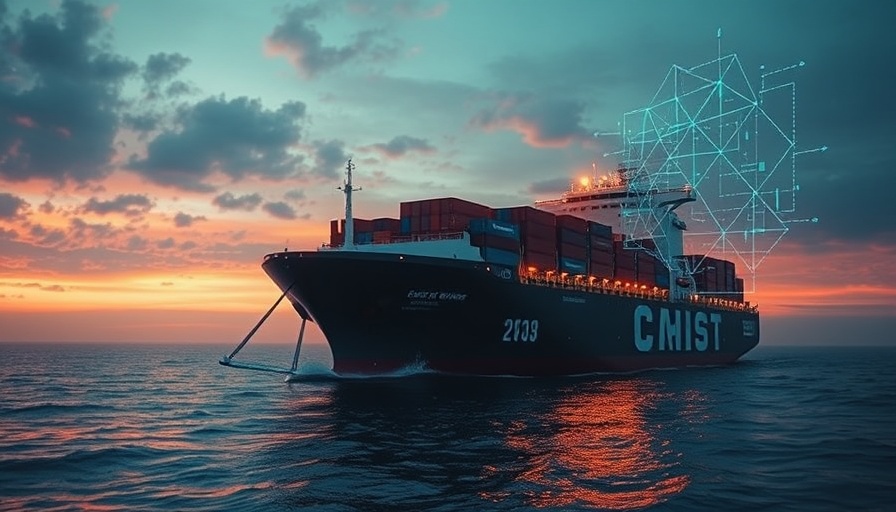
Futuristic cargo ship with AI graphics for maritime safety

How AI is Transforming Safety Management in the Maritime Industry

The maritime sector is undergoing a pivotal transformation, with artificial intelligence (AI) emerging as a game-changer in safety management. Businesses like WiseStella are embracing AI to streamline operations, reduce burdensome compliance tasks, and elevate safety standards across fleets globally.

Tackling Documentation Overload with AI

Today’s seafarers face tremendous pressure due to complex safety regulations and daunting documentation requirements. As highlighted by Ali Demiral, Chief Technology Officer at WiseStella, this "cognitive load" can result in significant stress during safety assessments. WiseStella’s innovative solution, Wise-AI, harnesses large language models (LLMs) to analyze historical safety data delivering actionable insights tailored to specific scenarios.

With Wise-AI, seafarers and managers can navigate safety regulations confidently. For instance, if uncertainty arises during a self-assessment, the AI can suggest potential compliance issues and recommend targeted solutions. This not only alleviates cognitive strain but also enhances the crew's comprehension of safety procedures, allowing them to foresee challenges and prevent accidents.

Fleet-Wide Benchmarking: A New Era of Insights

Unlike conventional tools that focus on isolated vessels, WiseStella’s platform provides fleet-wide benchmarking capabilities. This means fleet managers can utilize data-driven insights to recognize strengths, address weaknesses, and optimize resource allocation for training and compliance improvements. This comprehensive approach not only boosts individual vessel performance but also enhances the collective safety standards of entire fleets.

The proactive strategies embedded in Wise-AI are redefining the maritime landscape. Fleet managers are now better equipped to address safety challenges through enhanced understanding and timely interventions, all backed by data analytics.

Why the Maritime Industry Must Embrace AI

The integration of AI into safety management is not merely an option; it is becoming a necessity for maritime operations. As regulatory pressures continue to grow, AI can provide significant advantages in ensuring compliance while promoting safety. Companies that adopt AI technologies will not only simplify their operations but also foster a culture of continuous improvement, which is vital in a sector known for its inherent risks.

With AI's ability to learn and evolve, such systems can adapt to new regulations and emerging best practices swiftly, ensuring that seafarers are always one step ahead. This adaptability is particularly crucial when navigating the complexities of global maritime operations.

Concluding Thoughts on AI's Impact

The future of safety management in maritime operations is undeniably tied to the advancements in AI. By reducing stress, enhancing compliance procedures, and fostering a more informed crew, AI tools like Wise-AI are set to revolutionize the industry. As we continue to witness rapid technological developments, maritime companies must prioritize the integration of AI to remain competitive and ensure long-term safety and efficiency.

For readers involved in import/export operations, embracing AI not only aids in regulatory compliance but also positions businesses to thrive amid a dynamic and evolving maritime landscape. As this transformation unfolds, staying informed and proactive about these technological integrations will be key in navigating global waters with confidence.
Trade Trends

39 Views

Write A Comment

*
*
Related Posts All Posts
03.11.2026

U.S. Destroys 16 Iranian Minelayers: What This Means for Global Trade

Update U.S. Military's Bold Move Against Iranian Minelayers In a significant military operation, the U.S. military announced it had successfully destroyed 16 Iranian minelaying vessels near the pivotal Strait of Hormuz. This action marks a dramatic escalation in the ongoing tensions in the region, which has seen increasing military confrontations following the outbreak of war. The U.S. government has pressed Iran to remove any mines laid in the strait, underscoring the importance of maintaining freedom of navigation in this vital shipping lane, through which approximately 20% of the world's oil flows. Impacts on Global Trade and Oil Markets The destruction of these vessels is not just a localized military action but carries substantial implications for global trade, particularly for import-export companies. With rising tensions around the Strait of Hormuz, oil shipments from the Middle East have been hindered, directly impacting global oil prices and supply chains. Following the intensified military activities, oil prices have soared, adding pressure on markets already grappling with uncertainty. Iran's Resilience and Its Global Trade Strategy Despite the military setbacks, Iran’s Islamic Revolutionary Guard Corps has vowed to retaliate and continue its strategies to disrupt trade, declaring intentions to prevent any oil from leaving the region if U.S.-Israeli attacks persist. This defiance poses significant challenges for import-export companies relying on the steady flow of oil and goods from this strategic region. Industry analysts suggest that companies may need to explore alternative routes and suppliers to mitigate the risks associated with shipping through the Strait of Hormuz. Potential Economic Repercussions and Future Trade Strategies As global markets adapt to disruptions, the role of alternative energy sources becomes more critical. Import-export businesses might consider diversifying their sources of oil and energy while also exploring renewable energy options to mitigate the risks posed by geopolitical events. The unprecedented military actions and Iran's corresponding responses emphasize a pressing need for businesses to remain agile in their operations. Historical Context and Oil Transportation Dynamics Historically, the Strait of Hormuz has been a focal point of geopolitical conflicts. During the 1980s, a similar situation unfolded during the Iran-Iraq War, establishing the strait as a chokepoint for oil transportation. Understanding this context can help businesses navigate the ongoing situation by anticipating market fluctuations, preparing contingency plans for disrupted supply chains, and engaging with policymakers for better insight into the evolving crisis. How Businesses Can Prepare for Market Volatility In light of these developments, businesses involved in trade should consider the following actionable steps: Diversification of Suppliers: Companies should aim to diversify their supply chains, looking beyond regions vulnerable to conflict. Market Analysis: Keeping a close watch on market trends and geopolitical developments will enable companies to adapt quickly to changes. Engage with Experts: Collaborating with trade and geopolitical experts can deliver valuable insights for risk management. Import-export companies are also advised to build relationships with alternative ports and logistic networks to provide a buffer against sudden disruptions, ensuring they can maintain operational continuity in the face of unforeseen challenges. The situation in the Strait of Hormuz illustrates the intricate relationship between military actions and economic realities. As tensions escalate and responses from involved nations remain unpredictable, businesses must cultivate resilience and foresight to navigate the complexities of global trade. Call to Action: Stay Informed and Adapt As changes in the geopolitical landscape continue to shift, it is crucial for import-export businesses to stay informed and develop adaptive strategies. Monitor developments closely and prepare to pivot as needed to mitigate risks and seize emerging opportunities in a volatile market.

03.10.2026

How Trump's Iran War Announcement Impacts Global Trade for Import Export Companies

Update Understanding the Iran Conflict: What It Means for Global Trade The ongoing conflict in Iran is taking center stage in U.S. foreign policy, raising questions about its implications for global trade, particularly for those engaged in import-export activities. President Trump recently indicated that the war may conclude "very soon," but with soaring oil prices and unpredictable geopolitical dynamics, businesses must keep a close eye on developments. The Ripple Effects of War on Oil Markets As President Trump has pointed out, the potential for conflict to disrupt oil supplies cannot be underestimated. With the Persian Gulf serving as a critical artery for global oil transport, instability in Iran could lead to significant price spikes, impacting manufacturing costs across various sectors. Import-export companies specializing in energy-related products may face volatility, so understanding hedging strategies will be vital. The Legislative Landscape: War Powers and Trade Regulation The recent narrow rejection by the U.S. House of Representatives of a resolution aimed at curbing presidential powers in the Iran conflict underscores a significant political divide. While Republicans largely support the President's actions as necessary for national security, Democrats argue this extravagance in military engagement could lead to unnecessary escalation. For import-export companies, the legislative direction will affect trade regulations and compliance, necessitating adaptability in operations to mitigate risk. Comparative Trade Patterns Under Military Tension Historically, military engagements in the Middle East have led to unpredictable shifts in trade patterns, especially in oil-dependent economies. For instance, during the prolonged Iraq conflict, surrounding countries, including Iran, experienced significant influxes in trade disruption. Drawing parallels, businesses must prepare for potential rerouting or modification in supply chains as the situation unfolds. Financial Insights: Strategies for Mitigation in Uncertain Times For companies engaged in import-export, the lasting implications of the ongoing conflict reveal the need for sound financial practices. Diversifying supplier bases, investing in risk management tools, and maintaining robust communication with stakeholders will be essential strategies to navigate the complexities of international trade in times of conflict. What Lies Ahead: Assessing Future Risks and Opportunities The situation continues to evolve rapidly, with each new development posing either a risk or an opportunity for businesses participating in global trade. For import-export companies specifically targeting markets in the Middle East, staying abreast of legislative shifts and oil market reactions will be fundamental to ensuring resilience and adaptability. In summary, as tensions rise, so do uncertainties affecting trade dynamics and oil prices. Understanding the ramifications of U.S. military actions on global markets is crucial for businesses. For those involved in import and export, the current climate demands vigilance and strategic foresight to navigate the challenges ahead.

03.09.2026

Trump’s Remarks on Special Forces Raise Concerns for Import-Export Companies Amid Market Volatility

Update The Potential Impact of Special Forces on Market Volatility Recent comments from Donald Trump regarding the potential deployment of special forces have sent ripples through various sectors, particularly among import and export companies. In a time marked by uncertainty, such statements can provoke anxiety in the markets, where investors and businesses alike brace for volatility. This volatility can deeply affect trade relations, especially for companies reliant on stable manufacturing and supply chains. Understanding Financial Insights Amidst Political Discourse For businesses in the import-export sector, political announcements can signal shifts that impact financial outcomes. Trump's statement about special forces raises questions about national security and its implications for international trade. Investors often react swiftly to such news, leading to fluctuations in currency markets and affecting the prices of goods. Import-export companies must remain vigilant, keeping an eye on political developments to better predict potential changes in demand or tariffs, which can be pivotal for financial planning. How Trade Dynamics are Shaped by Unpredictability The interconnectedness of global trade means that political tensions or threats can have cascading effects on manufacturing processes. As Trump hints at militaristic solutions, businesses must assess how these signals might disrupt their supply chains. For instance, if security priorities lead to border closures or increased tariffs, manufacturers may find themselves scrambling to adjust sourcing strategies to minimize delays and costs. Understanding these dynamics is crucial for navigating a politically influenced market landscape. Preparing for the Storm: Risk Management Strategies To weather the storms of geopolitical unrest, import-export companies should prioritize risk management. This involves diversifying supplier relationships and creating flexible logistics plans that can adapt to sudden changes. By assessing their supply chain vulnerabilities, businesses can build resilience against external shocks—be they political turbulence or economic disruptions. Additionally, developing a robust communication strategy can help companies relay important updates to clients and stakeholders, thereby maintaining trust. Leveraging Opportunity in Market Challenges Despite the uncertainties presented by discussions of military action, challenges can often lead to innovative solutions and opportunities. Forward-thinking businesses may find ways to adapt their offerings or explore new markets during turbulent times. For instance, if certain regions become less accessible due to geopolitical tensions, savvy companies could pivot to emerging markets, finding fresh avenues for growth. This requires a keen understanding of market trends and investment in research to identify viable paths forward. The Moral Consideration: Is Military Intervention Justified? It's essential to consider the broader context of military engagement and its consequences. While some argue that using force may secure American interests abroad, the potential fallout could further complicate trade relationships. Businesses must be prepared to navigate not only the economic implications of such shifts but also the ethical questions that arise. Balancing moral considerations with practical business decisions could define how import-export companies position themselves during crises. Conclusion: The Path Forward for Import-Export Companies While the uncertainty stemming from Trump's comments on special forces suggests a rocky road ahead, import-export companies can proactively manage their responses. By remaining informed and agile, they can navigate the unpredictable waters of global trade. Understanding the nuanced interplay of politics and economics will be key for businesses aiming to thrive amid volatility. Now is the time for companies to evaluate their strategies and prepare not only for potential risks but also for the opportunities that change brings. In today's dynamic environment, maintaining a proactive stance is essential. Engage with your teams, reevaluate your strategies, and be prepared to pivot as needed. By staying informed, you can better anticipate market movements and position yourself for success amid uncertainty.

Terms of Service

Privacy Policy

Core Modal Title

Sorry, no results found

You Might Find These Articles Interesting

T
Please Check Your Email
We Will Be Following Up Shortly
*
*
*