







Global Trade News
Global Trade News
  • Manufacturing Insights 
  • Categories
    • Policy Pulse
    • Compliance Corner
    • Market Movers
    • Supply Chain
    • Export Essentials
    • Manufacturing Technology
    • Regulatory Roundup
    • Market Intelligence
    • Industry Voices
    • More Videos
November 22.2026
3 Minutes Read

China's Summits: A New Era for Manufacturers in Global Finance

How China is using summits to expand its global influence

Understanding China's Summit Strategy for Global Influence

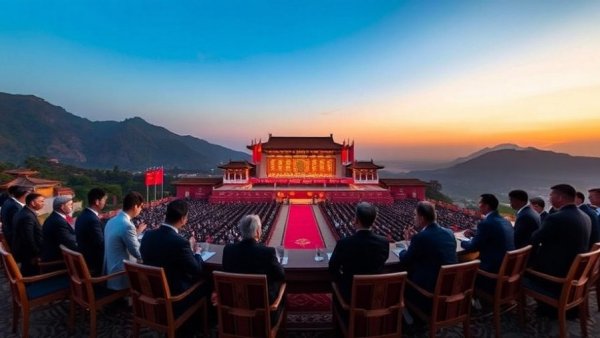
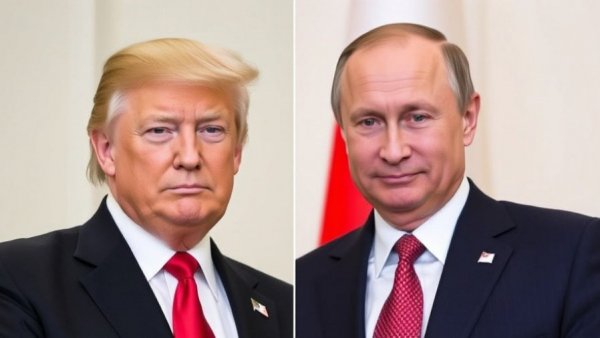
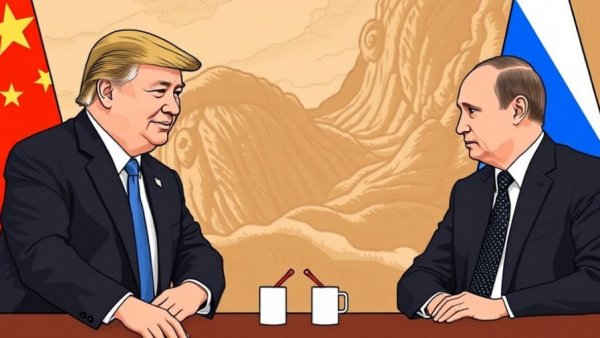
In a rapidly changing global landscape, China is leveraging international summits to bolster its global influence. By hosting meetings with key figures like President Trump and President Putin, China is not only showcasing its diplomatic clout but also working to reshape trade policies that could significantly impact manufacturers worldwide. As the world's second-largest economy, China's actions on the global stage will likely reverberate throughout various industries. The summits represent more than just talks; they are strategic interactions that can lead to substantial shifts in trade dynamics, directly affecting the operational landscape for manufacturers everywhere.

Behind the Curtain: The Motives for Global Engagement

China’s approach to summits reveals a strategic effort to position itself as a leader in global governance. This involves navigating complex trade tariffs and economic partnerships that impact manufacturers directly. Each summit serves as a platform for China to promote its vision of economic development, which, if embraced by other nations, could create new opportunities for trade. For instance, these engagements often focus on collaborative initiatives in technology and sustainable development, areas that are increasingly important for manufacturers aiming for both growth and compliance with global standards.

Trade Tariffs and Their Implications for Manufacturers

The ongoing discussions about trade tariffs are critical for manufacturers. China’s engagement in these summits is not just about diplomacy; it’s about creating an environment where trade tariffs can be managed or even reduced. As China pushes for more favorable trade agreements, manufacturers must stay informed about the potential risks and opportunities that emerge from these negotiations. Tariffs can affect cost structures and pricing strategies, making it vital for businesses to assess their supply chains and find ways to mitigate potential impacts. Understanding how these tariffs evolve as a result of summit discussions can help manufacturers make informed operational decisions.

Looking Ahead: Predictions for China’s Role in Global Finance

China is predicted to continue its expansion into global finance. By hosting financial summits and engaging with international business leaders, it aims to redefine economic relationships. This shift could present significant changes for manufacturers trying to navigate the complexities of international markets. For example, as China's influence grows, manufacturers may need to recalibrate their market strategies to accommodate shifts in demand and competition that result from new partnerships formed during such summits. Understanding China’s strategic movements will be crucial for those in manufacturing to adapt and succeed in the evolving landscape.

The Manufacturer’s Perspective: Why This Matters

For manufacturers, the implications of China’s expanding influence are profound. As China strengthens its global partnerships, manufacturers may find new markets opening up, but they must also be prepared for increased competition. Keeping abreast of global finance trends will be essential for strategic planning and decision-making. Furthermore, as China invests in infrastructure and technology in various developing nations, manufacturers could explore opportunities to participate in these initiatives, expanding their business potential while aligning with global sustainability efforts.

Empowering Manufacturers through Knowledge

Staying informed about global political trends and economic policies not only helps manufacturers anticipate challenges but also allows them to leverage potential benefits. For instance, engaging with networks and forums that discuss the outcomes of these summits can provide invaluable insights into upcoming market changes. Many industry associations and trade organizations are already offering resources and updates that highlight critical developments stemming from China's diplomatic activities, making it easier for manufacturers to adapt their strategies accordingly.

Conclusion: Your Next Steps in Understanding Global Influence

As China continues to engage in high-level summits, manufacturers should take proactive steps to understand how these developments can affect their operations. Keeping an eye on trade tariffs and diplomatic strategies will empower businesses to adapt swiftly and capitalize on new opportunities. This proactive stance can differentiate manufacturers in a competitive landscape, enabling them to not just survive but thrive amidst uncertainties.

To stay ahead in the manufacturing sector, begin planning your next steps now. Analyze how China’s global influence plays into your business plans and be ready to pivot as necessary to maximize growth. Utilizing resources like trade journals, webinars, and industry analyses can help manufacturers maintain a competitive edge as they navigate this evolving global environment.
Policy Pulse

9 Views

Write A Comment

*
*
Please complete the captcha to submit your comment.
Related Posts All Posts
11.20.2026

How Trump and Putin's Talks Impact Trade Tariffs for Manufacturers

Update Understanding the Impact of U.S.-Russia Relations on Manufacturers In a recent meeting that drew attention worldwide, U.S. President Donald Trump engaged in direct discussions with Russian President Vladimir Putin amidst rising tensions due to the ongoing Ukraine war. While the details of their conversation remain closely guarded, the implications of such a dialogue are significant, particularly for manufacturers involved in global trade. For manufacturers, understanding this relationship is not just about politics; it is about how these political dynamics can influence their operations, profits, and long-term strategies. The Chain Reaction: Trade Tariffs and Global Finance Trade tariffs have a ripple effect on supply chains and pricing structures across industries. As discussions between global leaders unfold, manufacturers must stay alert to potential tariff changes that could affect their bottom line. The balance of power in U.S.-Russia relations also influences product pricing and availability, impacting everything from raw materials to finished goods. For instance, a spike in tariffs on Russian steel could lead to increased costs for U.S. manufacturers that rely on that material, squeezing their margins and potentially leading to higher prices for consumers. Why This Matters to Manufacturers: Real-World Examples Consider a hypothetical manufacturer based in the U.S. that exports machinery to Europe. Favorable relations between the U.S. and Russia might lead to smoother trade conditions, whereas escalating tensions could lead to stricter tariffs, making American goods less competitive in overseas markets. In contrast, a strong trade alliance might keep those tariffs at bay, allowing for better pricing and stronger sales. These scenarios highlight the need for manufacturers to not only monitor trade policies but also to forecast potential impacts on their specific markets. Exploring Opportunities Amid Challenges While geopolitical events like this one may seem daunting, they also open doors for innovation in business practices. Manufacturers can not only safeguard against risks by diversifying supply chains but can also explore new markets in countries that might benefit from trade renewals or partnerships. For example, if U.S.-Russia relations improve, a manufacturer could find lucrative export opportunities in Eastern Europe, which may have previously been inaccessible due to sanctions and tariffs. Future Insights: What Lies Ahead? Looking forward, manufacturers should consider how evolving relationships among superpowers might shape global finance. With technology transforming supply chains, businesses can adopt agile practices that help them adapt more swiftly to changes in trade policies. This adaptability will be crucial in navigating tariffs that arise from shifting political landscapes. Companies leveraging data analytics can predict trends and adjust their strategies in real-time, positioning themselves ahead of competitors who may still be reliant on outdated models. Actionable Insights: Proactive Strategies for Manufacturers To mitigate risks associated with changing trade tariffs, here are a few strategies manufacturers can implement: Diversify Suppliers: Seek out suppliers in various regions to reduce dependency on any one market, which minimizes risk in case of sudden political or economic shifts. Invest in Technology: Use technology to streamline manufacturing processes, ensuring that costs remain low while maximizing efficiency. Implementing automation and embracing artificial intelligence can significantly reduce operational costs. Stay Informed: Keep up to date with political developments, as changes in leadership and policy can signal impending shifts in trade routes. Follow reputable news sources and consider participating in industry associations that provide insights into these changes. By developing robust strategies, manufacturers can better weather the storm of changing global finance landscapes shaped by figures like Trump, Putin, and Xi Jinping. Additionally, companies that proactively engage with policymakers can help advocate for favorable trade conditions that benefit their industry. Conclusion: Embracing Change for Future Success With the interplay of politics and trade becoming ever more critical, manufacturers need to embrace change and actively seek strategies that streamline operations while enhancing profitability. By fostering a proactive mindset, they can ensure not just survival but also thrive in an increasingly complex global market. In a world where political relations can shift overnight, remaining adaptable is paramount for long-term success. As we reflect on the importance of these diplomatic relationships, it's crucial for manufacturers to remain adaptable. Now is the time to take action and reassess your business strategies in light of ongoing geopolitical changes. The landscape may be uncertain, but those who prepare and strategize wisely will pave their path to success in the evolving marketplace.

11.19.2026

Insights from APEC: What Trump's, Xi's, and Putin's Meeting Means for Global Trade Tariffs

Update Global Dynamics at APEC: A Unique Perspective As I stepped onto the bustling streets of Shenzhen, the anticipation was palpable. For the first time, I was about to witness a gathering of monumental significance—U.S. President Donald Trump, Russian President Vladimir Putin, and Chinese President Xi Jinping were all in one room at the Asia-Pacific Economic Leaders' Meeting (APEC) held from November 17th to 19th. This unique convergence of the world's most powerful leaders showcased the delicate balance of global power amidst ongoing trade tensions and shifting alliances. Behind the Scenes: Interactions of Global Leaders The atmosphere at the welcome banquet was electrifying yet subdued. As I observed Trump emerge from a sea of black-clad photographers, I watched Putin raise his glass alongside Xi to toast their agenda for the upcoming Leaders' Meeting. Xi’s emphasis on expanding cooperation and innovation set the tone for discussions that would touch on vital issues like trade tariffs and economic collaboration among member economies. The backdrop of increasing scrutiny over artificial intelligence and trade dynamics loomed large over the event. While tensions regarding recent corporate controversies prevailed in media narratives, the interactions between officials painted a different picture. U.S. Treasury Secretary Scott Bessent was seen engaging amicably with China's Commerce Minister, suggesting a willingness to foster collaboration even amidst stiff geopolitical winds. The Power of APEC: Opportunities and Challenges APEC has positioned itself as a platform for diplomatic engagement during a time when U.S.-China relationships are being tested. With Trump, Xi, and Putin at the helm, the summit offered a chance to navigate complex bilateral ties and discuss mutual concerns, leverage trade tariffs, and explore innovative approaches to economic growth. Malaysian Prime Minister Anwar Ibrahim's assertion that the “entire multilateral framework needs to change” resonated deeply, prompting attendees to think critically about the future of global trade policies. The Small Power of Big Tech: Industry Leaders MIA Interestingly, the absence of prominent tech figures such as Elon Musk and Jensen Huang from Nvidia reinforced the summit's focus on state-level interactions rather than corporate influences. Their non-attendance reflected the reality that, even in a tech-driven world, decisions made by global leaders will shape the industry landscape in unforeseen ways. The media had fixated on controversies surrounding Huang’s resignation due to personal scandals, yet here was proof that the leaders themselves were capable of discussing AI's future without direct industry representation. Looking Ahead: Emerging Trends and Insights With the increasing embrace of technology in trade practices, there is an emerging need for manufacturers to adapt swiftly to changing regulations and market demands. As trade tariffs impose barriers, understanding the outcomes from APEC discussions becomes crucial for businesses to plot their strategies effectively. The focus on ‘innovation-driven growth’ can be pivotal for manufacturers seeking new avenues for expansion. Evaluate your business operations and identify how you can innovate within your supply chain management to remain competitive in a challenging economic environment. As global finance shifts, embrace the changes and foster resilience within your operations, tapping into the opportunities presented by emerging markets. Conclusion: Prepare for Tomorrow’s Trade Landscape The previous days’ events at APEC were painted with both optimism and uncertainty, leaving attendees with much to contemplate. The dynamic relationships between global leaders will undoubtedly shape the future of trade and finance across nations. For manufacturers, the message is clear: stay agile, adapt to the evolving global landscape, and seize opportunities arising from the discussions surrounding trade tariffs and multilateral cooperation. Understanding these developments will better prepare you to engage meaningfully in this rapidly evolving world. Engage with your local trade association to get insights and resources tailored to the manufacturing sector. Embrace the future, and position your business to thrive amidst complexity.

11.17.2026

How U.S. Companies Can Strategically Navigate the China Dilemma

Update Navigating the China Dilemma: U.S. Companies Face Tough ChoicesAs the tug of war between the United States and China intensifies, U.S. tech companies like Nvidia and Apple are grappling with a crucial question: how can they stay competitive in the global market while managing their ties with China? This dilemma grows more complex as geopolitical tensions rise and trade tariffs reshape the landscape. The latest upheaval surrounding Nvidia's CEO Jensen Huang's resignation, amid allegations of espionage linked to China, is just a glimpse into the challenges ahead for American businesses.The AI Race: Striking the Right BalanceArtificial intelligence is the battleground upon which the U.S. and China are vying for dominance. U.S. policymakers are debating whether to restrict advanced chip technology to keep China from gaining an upper hand or to continue supplying weaker versions to maintain dependency on American innovation. The Trump administration's recent move to increase restrictions only adds pressure on these companies. As consulting firm Strategy Risks points out, actions that may please one government often leave U.S. companies vulnerable to backlash from the other.The Stakes of Corporate ChoicesIt’s a precarious tightrope walk for executives—satisfy Washington's demands, and you risk angering Beijing. Understanding the trade-offs becomes imperative. For instance, while Apple still relies heavily on China for manufacturing, new CEO John Ternus must consider diversifying the supply chain to mitigate risks without compromising the company’s manufacturing capabilities. This balancing act echoes wider sentiments across multiple sectors where companies strive to minimize their exposure while maximizing growth opportunities.The Economic Landscape: How China Influences Supply ChainsChina's economic clout plays a significant role in shaping the strategies of U.S. firms. Following China's re-opening to foreign investments in the 1980s, many companies pursued the market in hopes of capitalizing on a burgeoning consumer base. The reliance on Chinese production—not just for electronics but also for critical components, such as rare earth minerals—creates a robust interdependency. Recent statistics reveal that local factories are responsible for 40% of global container exports, indicating the scale of this reliance.Future Strategies: Managed DecouplingIndustry experts advocate for a strategy termed 'managed decoupling'—a genuine commitment to create a resilient business model that does not solely depend on access to China. Isaac Stone Fish of Strategy Risks emphasizes this point in his commentary, suggesting that companies should approach diversification with strategic foresight rather than mere deferral of decisions. For the U.S. manufacturing sector, this could mean exploring alternative markets without losing sight of operational efficiency.Trade Tariffs and Their Impact on RecoveryAs trade tariffs continue to fluctuate, manufacturers will also need to stay attuned to market changes that might create new opportunities or hurdles. The shifting landscape of international trade agreements, coupled with emerging economic trends in both the U.S. and China, will influence corporate decisions on tariffs and how companies navigate these complexities. As many manufacturers have begun to scout alternative production locations in Southeast Asia and other regions, the implications are profound for the global finance landscape. The ability to adapt and foresee changes can position these firms advantageously in a competitive marketplace.Conclusion: An Essential Crossroad for ManufacturersFor manufacturers, the stakes couldn't be higher. With China continuing to play a pivotal role in global supply chains, understanding how to navigate this complex environment will be crucial for long-term stability and growth. As more U.S. firms assess their China exposure, they must remain vigilant about balancing political pressures and market realities. The necessity to foster resilience in these relationships can lead to innovative practices that not only serve their immediate needs but also empower them to thrive in the unpredictable global landscape. Now is the time to take action and reassess strategies to ensure manufacturing resilience against future challenges and opportunities.

Global Trade News


An educational, content-centric platform that delivers unbiased, comprehensive, and real-time regulatory news and analysis, empowering stakeholders to make informed decisions in a complex global trade environment.


Global Trade News is a subsidiary of RP Design Web Services.

COMPANY

  • Privacy Policy
  • Terms of Use
  • Advertise
  • Contact Us
  • Menu 5
  • Menu 6

AVAILABLE FROM 8AM - 5PM

City, State

Cheshire, CT

ABOUT US

A media channel that delivers the latest insights on trade regulations, import/export compliance, policy shifts, and global market trends.  Present both US and international perspectives to provide companies with a holistic view of the evolving trade landscape.

© 2026 Global Trade News All Rights Reserved. PO Box 1189 , Cheshire, CT 06410 . Contact Us . Terms of Service . Privacy Policy

eyJjb21wYW55IjoiR2xvYmFsIFRyYWRlIE5ld3MiLCJhZGRyZXNzIjoiUE8gQm94IDExODkgIiwiY2l0eSI6IkNoZXNoaXJlIiwic3RhdGUiOiJDVCIsInppcCI6IjA2NDEwIiwiZW1haWwiOiJzYWxlc0BycGRlc2lnbi5jb20iLCJ0b3MiOiJQSEErUEhOMGNtOXVaejQ4WlcwK1YyaGxiaUI1YjNVZ2MybG5iaTFwYmlCM2FYUm9JSFZ6TENCNWIzVWdZWEpsSUdkcGRtbHVaeVp1WW5Od095QjViM1Z5SUhCbGNtMXBjM05wYjI0Z1lXNWtJR052Ym5ObGJuUWdkRzhnYzJWdVpDQjViM1VnWlcxaGFXd2dZVzVrTDI5eUlGTk5VeUIwWlhoMElHMWxjM05oWjJWekxpQkNlU0JqYUdWamEybHVaeUIwYUdVZ1ZHVnliWE1nWVc1a0lFTnZibVJwZEdsdmJuTWdZbTk0SUdGdVpDQmllU0J6YVdkdWFXNW5JR2x1SUhsdmRTQmhkWFJ2YldGMGFXTmhiR3g1SUdOdmJtWnBjbTBnZEdoaGRDQjViM1VnWVdOalpYQjBJR0ZzYkNCMFpYSnRjeUJwYmlCMGFHbHpJR0ZuY21WbGJXVnVkQzQ4TDJWdFBqd3ZjM1J5YjI1blBqd3ZjRDRLQ2p4d1BqeGhJR2h5WldZOUltaDBkSEE2THk5M2QzY3VaMjl2WjJ4bExtTnZiU0krYUhSMGNEb3ZMM2QzZHk1bmIyOW5iR1V1WTI5dFBDOWhQand2Y0Q0S0NqeHdQaVp1WW5Od096d3ZjRDRLQ2p4d1BqeHpkSEp2Ym1jK1UwVlNWa2xEUlR3dmMzUnliMjVuUGp3dmNENEtDanh3UGxkbElIQnliM1pwWkdVZ1lTQnpaWEoyYVdObElIUm9ZWFFnWTNWeWNtVnVkR3g1SUdGc2JHOTNjeUI1YjNVZ2RHOGdjbVZqWldsMlpTQnlaWEYxWlhOMGN5Qm1iM0lnWm1WbFpHSmhZMnNzSUdOdmJYQmhibmtnYVc1bWIzSnRZWFJwYjI0c0lIQnliMjF2ZEdsdmJtRnNJR2x1Wm05eWJXRjBhVzl1TENCamIyMXdZVzU1SUdGc1pYSjBjeXdnWTI5MWNHOXVjeXdnWkdselkyOTFiblJ6SUdGdVpDQnZkR2hsY2lCdWIzUnBabWxqWVhScGIyNXpJSFJ2SUhsdmRYSWdaVzFoYVd3Z1lXUmtjbVZ6Y3lCaGJtUXZiM0lnWTJWc2JIVnNZWElnY0dodmJtVWdiM0lnWkdWMmFXTmxMaUJaYjNVZ2RXNWtaWEp6ZEdGdVpDQmhibVFnWVdkeVpXVWdkR2hoZENCMGFHVWdVMlZ5ZG1salpTQnBjeUJ3Y205MmFXUmxaQ0FtY1hWdmREdEJVeTFKVXlaeGRXOTBPeUJoYm1RZ2RHaGhkQ0IzWlNCaGMzTjFiV1VnYm04Z2NtVnpjRzl1YzJsaWFXeHBkSGtnWm05eUlIUm9aU0IwYVcxbGJHbHVaWE56TENCa1pXeGxkR2x2Yml3Z2JXbHpMV1JsYkdsMlpYSjVJRzl5SUdaaGFXeDFjbVVnZEc4Z2MzUnZjbVVnWVc1NUlIVnpaWElnWTI5dGJYVnVhV05oZEdsdmJuTWdiM0lnY0dWeWMyOXVZV3hwZW1GMGFXOXVJSE5sZEhScGJtZHpMand2Y0Q0S0NqeHdQbGx2ZFNCaGNtVWdjbVZ6Y0c5dWMybGliR1VnWm05eUlHOWlkR0ZwYm1sdVp5QmhZMk5sYzNNZ2RHOGdkR2hsSUZObGNuWnBZMlVnWVc1a0lIUm9ZWFFnWVdOalpYTnpJRzFoZVNCcGJuWnZiSFpsSUhSb2FYSmtJSEJoY25SNUlHWmxaWE1nS0hOMVkyZ2dZWE1nVTAxVElIUmxlSFFnYldWemMyRm5aWE1zSUVsdWRHVnlibVYwSUhObGNuWnBZMlVnY0hKdmRtbGtaWElnYjNJZ1kyVnNiSFZzWVhJZ1lXbHlkR2x0WlNCamFHRnlaMlZ6S1M0Z1dXOTFJR0Z5WlNCeVpYTndiMjV6YVdKc1pTQm1iM0lnZEdodmMyVWdabVZsY3l3Z2FXNWpiSFZrYVc1bklIUm9iM05sSUdabFpYTWdZWE56YjJOcFlYUmxaQ0IzYVhSb0lIUm9aU0JrYVhOd2JHRjVJRzl5SUdSbGJHbDJaWEo1SUc5bUlHVmhZMmdnVTAxVElIUmxlSFFnYldWemMyRm5aU0J6Wlc1MElIUnZJSGx2ZFNCaWVTQjFjeTRnU1c0Z1lXUmthWFJwYjI0c0lIbHZkU0J0ZFhOMElIQnliM1pwWkdVZ1lXNWtJR0Z5WlNCeVpYTndiMjV6YVdKc1pTQm1iM0lnWVd4c0lHVnhkV2x3YldWdWRDQnVaV05sYzNOaGNua2dkRzhnWVdOalpYTnpJSFJvWlNCVFpYSjJhV05sSUdGdVpDQnlaV05sYVhabElIUm9aU0JUVFZNZ2RHVjRkQ0J0WlhOellXZGxjeTRnVjJVZ1pHOGdibTkwSUdOb1lYSm5aU0JoYm5rZ1ptVmxjeUJtYjNJZ1pHVnNhWFpsY25rZ2IyWWdaVzFoYVd3Z2IzSWdVMDFUTGlCVWFHbHpJR2x6SUdFZ1puSmxaU0J6WlhKMmFXTmxJSEJ5YjNacFpHVmtJR0o1SUhWekxpQkliM2RsZG1WeUxDQndiR1ZoYzJVZ1kyaGxZMnNnZDJsMGFDQjViM1Z5SUdsdWRHVnlibVYwSUhObGNuWnBZMlVnY0hKdmRtbGtaWElnWVc1a0lHTmxiR3gxYkdGeUlHTmhjbkpwWlhJZ1ptOXlJR0Z1ZVNCamFHRnlaMlZ6SUhSb1lYUWdiV0Y1SUdsdVkzVnlJR0Z6SUdFZ2NtVnpkV3gwSUdaeWIyMGdjbVZqWldsMmFXNW5JR1Z0WVdsc0lHRnVaQ0JUVFZNZ2RHVjRkQ0J0WlhOellXZGxjeUIwYUdGMElIZGxJR1JsYkdsMlpYSWdkWEJ2YmlCNWIzVnlJRzl3ZEMxcGJpQmhibVFnY21WbmFYTjBjbUYwYVc5dUlIZHBkR2dnYjNWeUlHVnRZV2xzSUdGdVpDQlRUVk1nYzJWeWRtbGpaWE11SUZsdmRTQmpZVzRnWTJGdVkyVnNJR0YwSUdGdWVTQjBhVzFsTGlCS2RYTjBJSFJsZUhRZ0puRjFiM1E3VTFSUFVDWnhkVzkwT3lCMGJ5QThhR2xuYUd4cFoyaDBJR05zWVhOelBTSmpiMjF3WVc1NVVHaHZibVZWY0dSaGRHVWlQaXN4TWpBek1qY3hOems1TVR3dmFHbG5hR3hwWjJoMFBpNGdRV1owWlhJZ2VXOTFJSE5sYm1RZ2RHaGxJRk5OVXlCdFpYTnpZV2RsSUNaeGRXOTBPMU5VVDFBbWNYVnZkRHNnZEc4Z2RYTXNJSGRsSUhkcGJHd2djMlZ1WkNCNWIzVWdZVzRnVTAxVElHMWxjM05oWjJVZ2RHOGdZMjl1Wm1seWJTQjBhR0YwSUhsdmRTQm9ZWFpsSUdKbFpXNGdkVzV6ZFdKelkzSnBZbVZrTGlCQlpuUmxjaUIwYUdsekxDQjViM1VnZDJsc2JDQnVieUJzYjI1blpYSWdjbVZqWldsMlpTQlRUVk1nYldWemMyRm5aWE1nWm5KdmJTQjFjeTQ4TDNBK0NnbzhjRDQ4YzNSeWIyNW5QbGxQVlZJZ1VrVkhTVk5VVWtGVVNVOU9JRTlDVEVsSFFWUkpUMDVUUEM5emRISnZibWMrUEM5d1Bnb0tQSEErU1c0Z1kyOXVjMmxrWlhKaGRHbHZiaUJ2WmlCNWIzVnlJSFZ6WlNCdlppQjBhR1VnVTJWeWRtbGpaU3dnZVc5MUlHRm5jbVZsSUhSdk9qd3ZjRDRLQ2p4dmJENEtDVHhzYVQ1d2NtOTJhV1JsSUhSeWRXVXNJR0ZqWTNWeVlYUmxMQ0JqZFhKeVpXNTBJR0Z1WkNCamIyMXdiR1YwWlNCcGJtWnZjbTFoZEdsdmJpQmhZbTkxZENCNWIzVnljMlZzWmlCaGN5QndjbTl0Y0hSbFpDQmllU0IwYUdVZ1UyVnlkbWxqWlNZak16azdjeUJ5WldkcGMzUnlZWFJwYjI0Z1ptOXliU0FvYzNWamFDQnBibVp2Y20xaGRHbHZiaUJpWldsdVp5QjBhR1VnSm5GMWIzUTdVbVZuYVhOMGNtRjBhVzl1SUVSaGRHRW1jWFZ2ZERzcElHRnVaRHd2YkdrK0NnazhiR2srYldGcGJuUmhhVzRnWVc1a0lIQnliMjF3ZEd4NUlIVndaR0YwWlNCMGFHVWdVbVZuYVhOMGNtRjBhVzl1SUVSaGRHRWdkRzhnYTJWbGNDQnBkQ0IwY25WbExDQmhZMk4xY21GMFpTd2dZM1Z5Y21WdWRDQmhibVFnWTI5dGNHeGxkR1V1SUVsbUlIbHZkU0J3Y205MmFXUmxJR0Z1ZVNCcGJtWnZjbTFoZEdsdmJpQjBhR0YwSUdseklIVnVkSEoxWlN3Z2FXNWhZMk4xY21GMFpTd2dibTkwSUdOMWNuSmxiblFnYjNJZ2FXNWpiMjF3YkdWMFpTd2diM0lnZDJVZ2FHRjJaU0J5WldGemIyNWhZbXhsSUdkeWIzVnVaSE1nZEc4Z2MzVnpjR1ZqZENCMGFHRjBJSE4xWTJnZ2FXNW1iM0p0WVhScGIyNGdhWE1nZFc1MGNuVmxMQ0JwYm1GalkzVnlZWFJsTENCdWIzUWdZM1Z5Y21WdWRDQnZjaUJwYm1OdmJYQnNaWFJsTENCM1pTQm9ZWFpsSUhSb1pTQnlhV2RvZENCMGJ5QnpkWE53Wlc1a0lHOXlJRHh6ZEhKdmJtYytQSE53WVc0Z2MzUjViR1U5SW1OdmJHOXlPaU5HUmpBd01EQTdJajUwWlhKdGFXNWhkR1VnZVc5MWNpQmhZMk52ZFc1MEwzQnliMlpwYkdVZ1lXNWtJSEpsWm5WelpTQmhibmtnWVc1a0lHRnNiQ0JqZFhKeVpXNTBJRzl5SUdaMWRIVnlaU0IxYzJVZ2IyWWdkR2hsSUZObGNuWnBZMlVnS0c5eUlHRnVlU0J3YjNKMGFXOXVJSFJvWlhKbGIyWXBMand2YzNCaGJqNDhMM04wY205dVp6NDhMMnhwUGdvOEwyOXNQZ29LUEhBK0ptNWljM0E3UEM5d1BnbzhhR2xuYUd4cFoyaDBJR05zWVhOelBTSmpiMjF3WVc1NVRtRnRaVlZ3WkdGMFpTSStSMnh2WW1Gc0lGUnlZV1JsSUU1bGQzTThMMmhwWjJoc2FXZG9kRDQ4WW5JZ0x6NEtQR2hwWjJoc2FXZG9kQ0JqYkdGemN6MGlZMjl0Y0dGdWVVRmtaSEpsYzNOVmNHUmhkR1VpUGxCUElFSnZlQ0F4TVRnNUlDd2dRMmhsYzJocGNtVXNJRU5VSURBMk5ERXdQQzlvYVdkb2JHbG5hSFErUEdKeUlDOCtDanhvYVdkb2JHbG5hSFFnWTJ4aGMzTTlJbU52YlhCaGJubFFhRzl1WlZWd1pHRjBaU0krS3pFeU1ETXlOekUzT1RreFBDOW9hV2RvYkdsbmFIUStQR0p5SUM4K0NqeG9hV2RvYkdsbmFIUWdZMnhoYzNNOUltTnZiWEJoYm5sRmJXRnBiRlZ3WkdGMFpTSStjMkZzWlhOQWNuQmtaWE5wWjI0dVkyOXRQQzlvYVdkb2JHbG5hSFErIiwicHJpdmFjeSI6IlBIQStQSE4wY205dVp6NVFVa2xXUVVOWlBDOXpkSEp2Ym1jK1BDOXdQZ29LUEhBK1BITjBjbTl1Wno1VWFHVWdhVzVtYjNKdFlYUnBiMjRnY0hKdmRtbGtaV1FnWkhWeWFXNW5JSFJvYVhNZ2NtVm5hWE4wY21GMGFXOXVJR2x6SUd0bGNIUWdjSEpwZG1GMFpTQmhibVFnWTI5dVptbGtaVzUwYVdGc0xDQmhibVFnZDJsc2JDQnVaWFpsY2lCaVpTQmthWE4wY21saWRYUmxaQ3dnWTI5d2FXVmtMQ0J6YjJ4a0xDQjBjbUZrWldRZ2IzSWdjRzl6ZEdWa0lHbHVJR0Z1ZVNCM1lYa3NJSE5vWVhCbElHOXlJR1p2Y20wdUlGUm9hWE1nYVhNZ2IzVnlJR2QxWVhKaGJuUmxaUzQ4TDNOMGNtOXVaejQ4TDNBK0NnbzhjRDQ4YzNSeWIyNW5Qa2xPUkVWTlRrbFVXVHd2YzNSeWIyNW5Qand2Y0Q0S0NqeHdQanhsYlQ1WmIzVWdZV2R5WldVZ2RHOGdhVzVrWlcxdWFXWjVJR0Z1WkNCb2IyeGtJSFZ6TEM0Z1lXNWtJR2wwY3lCemRXSnphV1JwWVhKcFpYTXNJR0ZtWm1sc2FXRjBaWE1zSUc5bVptbGpaWEp6TENCaFoyVnVkSE1zSUdOdkxXSnlZVzVrWlhKeklHOXlJRzkwYUdWeUlIQmhjblJ1WlhKekxDQmhibVFnWlcxd2JHOTVaV1Z6TENCb1lYSnRiR1Z6Y3lCbWNtOXRJR0Z1ZVNCamJHRnBiU0J2Y2lCa1pXMWhibVFzSUdsdVkyeDFaR2x1WnlCeVpXRnpiMjVoWW14bElHRjBkRzl5Ym1WNWN5WWpNems3SUdabFpYTXNJRzFoWkdVZ1lua2dZVzU1SUhSb2FYSmtJSEJoY25SNUlHUjFaU0IwYnlCdmNpQmhjbWx6YVc1bklHOTFkQ0J2WmlCRGIyNTBaVzUwSUhsdmRTQnlaV05sYVhabExDQnpkV0p0YVhRc0lISmxjR3g1TENCd2IzTjBMQ0IwY21GdWMyMXBkQ0J2Y2lCdFlXdGxJR0YyWVdsc1lXSnNaU0IwYUhKdmRXZG9JSFJvWlNCVFpYSjJhV05sTENCNWIzVnlJSFZ6WlNCdlppQjBhR1VnVTJWeWRtbGpaU3dnZVc5MWNpQmpiMjV1WldOMGFXOXVJSFJ2SUhSb1pTQlRaWEoyYVdObExDQjViM1Z5SUhacGIyeGhkR2x2YmlCdlppQjBhR1VnVkU5VExDQnZjaUI1YjNWeUlIWnBiMnhoZEdsdmJpQnZaaUJoYm5rZ2NtbG5hSFJ6SUc5bUlHRnViM1JvWlhJdVBDOWxiVDQ4TDNBK0NnbzhjRDQ4YzNSeWIyNW5Qa1JKVTBOTVFVbE5SVklnVDBZZ1YwRlNVa0ZPVkVsRlV6d3ZjM1J5YjI1blBqd3ZjRDRLQ2p4d1BqeHpkSEp2Ym1jK1dVOVZJRVZZVUZKRlUxTk1XU0JWVGtSRlVsTlVRVTVFSUVGT1JDQkJSMUpGUlNCVVNFRlVPand2YzNSeWIyNW5Qand2Y0Q0S0NqeHZiRDRLQ1R4c2FUNVpUMVZTSUZWVFJTQlBSaUJVU0VVZ1UwVlNWa2xEUlNCSlV5QkJWQ0JaVDFWU0lGTlBURVVnVWtsVFN5NGdWRWhGSUZORlVsWkpRMFVnU1ZNZ1VGSlBWa2xFUlVRZ1QwNGdRVTRnSm5GMWIzUTdRVk1nU1ZNbWNYVnZkRHNnUVU1RUlDWnhkVzkwTzBGVElFRldRVWxNUVVKTVJTWnhkVzkwT3lCQ1FWTkpVeTRnTEM0Z1FVNUVJRlZUTENCSlZDWWpNems3VXlCRFZWTlVUMDFGVWxNc0lFVllVRkpGVTFOTVdTQkVTVk5EVEVGSlRWTWdRVXhNSUZkQlVsSkJUbFJKUlZNZ1QwWWdRVTVaSUV0SlRrUXNJRmRJUlZSSVJWSWdSVmhRVWtWVFV5QlBVaUJKVFZCTVNVVkVMQ0JKVGtOTVZVUkpUa2NzSUVKVlZDQk9UMVFnVEVsTlNWUkZSQ0JVVHlCVVNFVWdTVTFRVEVsRlJDQlhRVkpTUVU1VVNVVlRJRTlHSUUxRlVrTklRVTVVUVVKSlRFbFVXU3dnUmtsVVRrVlRVeUJHVDFJZ1FTQlFRVkpVU1VOVlRFRlNJRkJWVWxCUFUwVWdRVTVFSUU1UFRpMUpUa1pTU1U1SFJVMUZUbFF1UEM5c2FUNEtDVHhzYVQ1TlFVdEZVeUJPVHlCWFFWSlNRVTVVV1NCVVNFRlVJQ2hwS1NCVVNFVWdVMFZTVmtsRFJTQlhTVXhNSUUxRlJWUWdXVTlWVWlCU1JWRlZTVkpGVFVWT1ZGTXNJQ2hwYVNrZ1ZFaEZJRk5GVWxaSlEwVWdWMGxNVENCQ1JTQlZUa2xPVkVWU1VsVlFWRVZFTENCVVNVMUZURmtzSUZORlExVlNSU3dnVDFJZ1JWSlNUMUl0UmxKRlJTd2dLR2xwYVNrZ1ZFaEZJRkpGVTFWTVZGTWdWRWhCVkNCTlFWa2dRa1VnVDBKVVFVbE9SVVFnUmxKUFRTQlVTRVVnVlZORklFOUdJRlJJUlNCVFJWSldTVU5GSUZkSlRFd2dRa1VnUVVORFZWSkJWRVVnVDFJZ1VrVk1TVUZDVEVVc0lFRk9SQ0FvYVhZcElFRk9XU0JGVWxKUFVsTWdTVTRnVkVoRklGTlBSbFJYUVZKRklGZEpURXdnUWtVZ1EwOVNVa1ZEVkVWRUxqd3ZiR2srQ2drOGJHaytRVTVaSUUxQlZFVlNTVUZNSUVSUFYwNU1UMEZFUlVRZ1QxSWdUMVJJUlZKWFNWTkZJRTlDVkVGSlRrVkVJRlJJVWs5VlIwZ2dWRWhGSUZWVFJTQlBSaUJVU0VVZ1UwVlNWa2xEUlNCSlV5QkVUMDVGSUVGVUlGbFBWVklnVDFkT0lFUkpVME5TUlZSSlQwNGdRVTVFSUZKSlUwc2dRVTVFSUZSSVFWUWdXVTlWSUZkSlRFd2dRa1VnVTA5TVJVeFpJRkpGVTFCUFRsTkpRa3hGSUVaUFVpQkJUbGtnUkVGTlFVZEZJRlJQSUZsUFZWSWdRMDlOVUZWVVJWSWdVMWxUVkVWTklFOVNJRXhQVTFNZ1QwWWdSRUZVUVNCVVNFRlVJRkpGVTFWTVZGTWdSbEpQVFNCVVNFVWdSRTlYVGt4UFFVUWdUMFlnUVU1WklGTlZRMGdnVFVGVVJWSkpRVXd1UEM5c2FUNEtDVHhzYVQ1T1R5QkJSRlpKUTBVZ1QxSWdTVTVHVDFKTlFWUkpUMDRzSUZkSVJWUklSVklnVDFKQlRDQlBVaUJYVWtsVVZFVk9MQ0JQUWxSQlNVNUZSQ0JDV1NCWlQxVWdSbEpQVFNCUFVpQlVTRkpQVlVkSUlFOVNJRVpTVDAwZ1ZFaEZJRk5GVWxaSlEwVWdVMGhCVEV3Z1ExSkZRVlJGSUVGT1dTQlhRVkpTUVU1VVdTQk9UMVFnUlZoUVVrVlRVMHhaSUZOVVFWUkZSQ0JKVGlCVVNFVWdWRTlUTGp3dmJHaytDand2YjJ3K0NnbzhjRDQ4YzNSeWIyNW5Qa3hKVFVsVVFWUkpUMDRnVDBZZ1RFbEJRa2xNU1ZSWlBDOXpkSEp2Ym1jK1BDOXdQZ29LUEhBK1dVOVZJRVZZVUZKRlUxTk1XU0JWVGtSRlVsTlVRVTVFSUVGT1JDQkJSMUpGUlNCVVNFRlVJRUZPUkNCVFNFRk1UQ0JPVDFRZ1FrVWdURWxCUWt4RklFWlBVaUJCVGxrZ1JFbFNSVU5VTENCSlRrUkpVa1ZEVkN3Z1NVNURTVVJGVGxSQlRDd2dVMUJGUTBsQlRDd2dRMDlPVTBWUlZVVk9WRWxCVENCUFVpQkZXRVZOVUV4QlVsa2dSRUZOUVVkRlV5d2dTVTVEVEZWRVNVNUhJRUpWVkNCT1QxUWdURWxOU1ZSRlJDQlVUeXdnUkVGTlFVZEZVeUJHVDFJZ1RFOVRVeUJQUmlCUVVrOUdTVlJUTENCSFQwOUVWMGxNVEN3Z1ZWTkZMQ0JFUVZSQklFOVNJRTlVU0VWU0lFbE9WRUZPUjBsQ1RFVWdURTlUVTBWVElDaEZWa1ZPSUVsR0lFaEJVeUJDUlVWT0lFRkVWa2xUUlVRZ1QwWWdWRWhGSUZCUFUxTkpRa2xNU1ZSWklFOUdJRk5WUTBnZ1JFRk5RVWRGVXlrc0lGSkZVMVZNVkVsT1J5QkdVazlOT2p3dmNENEtDanh2YkQ0S0NUeHNhVDVVU0VVZ1ZWTkZJRTlTSUZSSVJTQkpUa0ZDU1V4SlZGa2dWRThnVlZORklGUklSU0JUUlZKV1NVTkZPend2YkdrK0NnazhiR2srVkVoRklFTlBVMVFnVDBZZ1VGSlBRMVZTUlUxRlRsUWdUMFlnVTFWQ1UxUkpWRlZVUlNCSFQwOUVVeUJCVGtRZ1UwVlNWa2xEUlZNZ1VrVlRWVXhVU1U1SElFWlNUMDBnUVU1WklFZFBUMFJUTENCRVFWUkJMQ0JKVGtaUFVrMUJWRWxQVGlCUFVpQlRSVkpXU1VORlV5QlFWVkpEU0VGVFJVUWdUMUlnVDBKVVFVbE9SVVFnVDFJZ1RVVlRVMEZIUlZNZ1VrVkRSVWxXUlVRZ1QxSWdWRkpCVGxOQlExUkpUMDVUSUVWT1ZFVlNSVVFnU1U1VVR5QlVTRkpQVlVkSUlFOVNJRVpTVDAwZ1ZFaEZJRk5GVWxaSlEwVTdQQzlzYVQ0S0NUeHNhVDVWVGtGVlZFaFBVa2xhUlVRZ1FVTkRSVk5USUZSUElFOVNJRUZNVkVWU1FWUkpUMDRnVDBZZ1dVOVZVaUJVVWtGT1UwMUpVMU5KVDA1VElFOVNJRVJCVkVFN1BDOXNhVDRLQ1R4c2FUNVRWRUZVUlUxRlRsUlRJRTlTSUVOUFRrUlZRMVFnVDBZZ1FVNVpJRlJJU1ZKRUlGQkJVbFJaSUU5T0lGUklSU0JUUlZKV1NVTkZPeUJQVWp3dmJHaytDZ2s4YkdrK1FVNVpJRTlVU0VWU0lFMUJWRlJGVWlCU1JVeEJWRWxPUnlCVVR5QlVTRVVnVTBWU1ZrbERSUzQ4TDJ4cFBnbzhMMjlzUGdvS1BIQStQSFUrUW5rZ2NtVm5hWE4wWlhKcGJtY2dZVzVrSUhOMVluTmpjbWxpYVc1bklIUnZJRzkxY2lCbGJXRnBiQ0JoYm1RZ1UwMVRJSE5sY25acFkyVXNJR0o1SUc5d2RDMXBiaXdnYjI1c2FXNWxJSEpsWjJsemRISmhkR2x2YmlCdmNpQmllU0JtYVd4c2FXNW5JRzkxZENCaElHTmhjbVFzSUNaeGRXOTBPM2x2ZFNCaFozSmxaU0IwYnlCMGFHVnpaU0JVUlZKTlV5QlBSaUJUUlZKV1NVTkZKbkYxYjNRN0lHRnVaQ0I1YjNVZ1lXTnJibTkzYkdWa1oyVWdZVzVrSUhWdVpHVnljM1JoYm1RZ2RHaGxJR0ZpYjNabElIUmxjbTF6SUc5bUlITmxjblpwWTJVZ2IzVjBiR2x1WldRZ1lXNWtJR1JsZEdGcGJHVmtJR1p2Y2lCNWIzVWdkRzlrWVhrdVBDOTFQand2Y0Q0S0NqeHdQaVp1WW5Od096d3ZjRDRLUEdocFoyaHNhV2RvZENCamJHRnpjejBpWTI5dGNHRnVlVTVoYldWVmNHUmhkR1VpUGtkc2IySmhiQ0JVY21Ga1pTQk9aWGR6UEM5b2FXZG9iR2xuYUhRK1BHSnlJQzgrQ2p4b2FXZG9iR2xuYUhRZ1kyeGhjM005SW1OdmJYQmhibmxCWkdSeVpYTnpWWEJrWVhSbElqNVFUeUJDYjNnZ01URTRPU0FzSUVOb1pYTm9hWEpsTENCRFZDQXdOalF4TUR3dmFHbG5hR3hwWjJoMFBqeGljaUF2UGdvOGFHbG5hR3hwWjJoMElHTnNZWE56UFNKamIyMXdZVzU1VUdodmJtVlZjR1JoZEdVaVBpc3hNakF6TWpjeE56azVNVHd2YUdsbmFHeHBaMmgwUGp4aWNpQXZQZ284YUdsbmFHeHBaMmgwSUdOc1lYTnpQU0pqYjIxd1lXNTVSVzFoYVd4VmNHUmhkR1VpUG5OaGJHVnpRSEp3WkdWemFXZHVMbU52YlR3dmFHbG5hR3hwWjJoMFBnPT0ifQ==

Terms of Service

Privacy Policy

Core Modal Title

Sorry, no results found

You Might Find These Articles Interesting

T
Please Check Your Email
We Will Be Following Up Shortly
*
*
*