



Add Row
Add Element
Global Trade News
update
Global Trade News
update
Add Element
SCHEDULE YOUR INTERVIEW 
  • Home
  • Categories
    • Policy Pulse
    • Compliance Corner
    • Market Movers
    • Trade Trends
    • Export Essentials
    • Import Insights
    • Regulatory Roundup
    • Global Trade News Blog
    • More Spotlights
    • More Videos
  • update
  • update
  • update
  • update
  • update
  • update
  • update
July 11.2025
1 Minute Read

Avoid Export Pitfalls: Mineral Export Duties Demystified

Did you know that over 100 countries worldwide have imposed restrictions or duties on mineral exports, sending shockwaves through global supply chains? As countries race to secure their own resources and foster domestic industries, mineral export duties have emerged as one of the most contentious issues in international trade. Whether you’re a trader, policy maker, or industry stakeholder, understanding export restriction policies and their impact on raw materials can make or break your next deal. In this article, we’ll uncover the hidden effects of export duties , unravel real-world examples of export taxes on critical minerals , and arm you with actionable strategies to avoid common export pitfalls. This is your essential guide to navigating mineral export duties with confidence.

The Startling Truth About Mineral Export Duties: An Eye-Opening Look

The world of mineral export duties is far from simple. While their stated aim may be to protect domestic industries and boost local economies, their impact on supply chains can be profound and far-reaching. For example, when a major mineral-rich country applies a high duty rate on mining exports—say, cobalt or nickel—the ripple effect is felt all the way from raw material suppliers to finished goods manufacturers across continents. These duties can dramatically shift trade flows, spike prices, and disrupt multi-billion-dollar industries reliant on industrial raw materials for everything from electric vehicles to high-tech electronics.

You’re about to discover how export restriction policies unfold in the real world. We’ll dive deep into specific export tax examples, analyze who really benefits—or loses—from these trade measures, and provide strategies to stay compliant and competitive. Along the journey, we’ll uncover common pitfalls, best practices for handling export duties , and policy lessons drawn from the OECD Inventory of Export Restrictions . If you’re navigating the evolving landscape of mineral trade, this is the critical knowledge you need to stay ahead.

  • You will discover how mineral export duties influence global supply chains.
  • The complexities of export restriction policies unpacked.
  • Real-world examples of export taxes on critical minerals.
  • Actionable strategies to avoid common export pitfalls.

global supply chain network with minerals and raw materials, businesspeople analyzing trade flow maps, logistics, mineral export duties

Understanding Mineral Export Duties and Their Impact on Raw Materials

Defining Mineral Export Duties and Export Taxes: Why They Matter

Mineral export duties —often referred to as export taxes —are government-imposed levies on minerals leaving a country’s borders. Their rationale is typically built around raising revenue, promoting domestic processing of raw materials , or serving as a tool in strategic trade policy. These export taxes can range from flat percentage rates to complex, tiered models based on market value or export volume. For the metals and minerals sector, these duties shape the international trade landscape by dictating how competitive a country’s mineral resource exports remain abroad.

At a global scale, the diversity of export duty rates is startling. Some nations employ minimal or even zero duties to encourage outbound trade, while others enforce duties that can reach up to 25-30% on certain critical minerals . The difference in duty rates can dramatically alter the economic logic for processing, exporting, or importing mineral products , and has implications for industries across the supply chain. Understanding these movements is essential for everyone from mining operators and traders to governments and downstream manufacturers.

How Export Duties Affect Raw Materials and Industrial Raw Material Supply Chains

The imposition of export duties can have both predictable and unexpected consequences on raw materials and supply chains . By making exports more costly, governments hope to incentivize local value addition—encouraging domestic industries to refine, process, or otherwise upgrade industrial raw materials before they leave the country. This strategy can help build local industries, preserve jobs, and develop technical know-how.

However, the reality is often much more complicated. For global manufacturers dependent on predictable supplies of raw inputs—like copper, nickel, lithium, or rare earth elements—rising export taxes can squeeze margins, cause delays, and upend inventory planning. This instability ripples through vast supply chains —from mine to port to assembly line—leading some companies to restructure contracts, seek alternative suppliers, or even relocate production to countries with more favorable duty rates. In short, mineral export duties don’t just affect exporters but can reshape entire global industries dependent on critical minerals.

Case Study: The Critical Mineral Export Restrictions Dilemma

Consider the case of Indonesia’s nickel export duty—a prime example of a policy intended to foster domestic value addition. By banning unrefined nickel exports and imposing high duties on semi-processed ore, Indonesia aimed to attract investment in local smelters and downstream industries. While successful in sparking domestic processing plants, the move upended the global supply chain for batteries, especially for electric vehicles, raising costs for manufacturers worldwide. The sudden shortage of exportable nickel ore disrupted suppliers, caused price spikes, and sent companies scrambling for new sources.

Such export restricting measures can incentivize foreign direct investment and technology transfer, but they can just as easily drive buyers to alternative markets or spark retaliatory trade measures. As this case shows, mineral export duties are a double-edged sword, often producing ripple effects far beyond national borders—and are closely monitored in the OECD inventory of export restrictions as a significant factor in global industrial policy.

mining operation, machinery extracting minerals, export processes, impact of mineral export duties

Raw Material Export Restrictions: Driving Forces and Policy Intentions

Export Restrictions on Industrial Raw Materials: Domestic Value Addition or Trade Barrier?

Export restrictions on industrial raw materials are designed as a lever for countries to gain more economic benefit from their natural resource endowment. Policy makers argue that by either restricting or taxing exports, they can force raw materials to be processed domestically, thereby spurring investment, improving technology, and supporting job creation in downstream sectors. For example, export restricting measures are frequently imposed on mineral products like bauxite, copper, or rare earths, with the explicit goal of moving up the value chain.

However, the effectiveness and fairness of such measures remain hotly debated. Critics contend that these restrictions often serve as a trade barrier , distorting international markets, and prompting trade partners to enact countermeasures or search for new suppliers. This leads not only to inefficiencies and increased production costs, but also threatens long-term trade relationships and the stability of industrial raw material supply chains. The balance between fostering domestic industry and upholding fair trade remains elusive, highlighting the complexity of mineral export duties and their global repercussions.

Global Inventory of Export Restrictions and the Role of Export Duty on Metals and Minerals

The OECD inventory of export restrictions provides a comprehensive overview of the various policies countries use to control raw material exports. According to this inventory, export restricting measures on metals and minerals have increased steadily over the past decade, especially among resource-rich economies. These can include outright bans, quota systems, or a complex web of export duty rates and licensing requirements.

The role of export duty on metals and minerals is crucial in shaping international trade dynamics. Countries imposing high export duty rates on critical minerals like lithium, cobalt, nickel, or copper can effectively steer the flow of global mineral resource trade. Understanding these trends in the global inventory of export restrictions is essential for stakeholders aiming to anticipate risks, seize new opportunities, and maintain supply chain resilience.

Comparison of Export Duty Rates on Critical Minerals in Top Exporting Countries
Country Nickel Cobalt Lithium Copper Bauxite
Indonesia 20% 10% 0% 5% 15%
Australia 0% 0% 0% 0% 0%
DRC 0% 10% 0% 0% 0%
China 3% 3% 5% 2% 10%
Brazil 0% 0% 2% 2% 5%

Metals and Minerals: Who Benefits or Loses from Export Taxes?

"Raw material export restrictions often backfire, hurting domestic industries more than they help." — Industry Analyst

Export Taxes: Promoting Domestic Processing or Creating Unintended Consequences?

Governments implementing export taxes often hope to catalyze domestic mineral processing and downstream manufacturing. While policies such as export restricting measures on unprocessed ores can accelerate investment in smelters and refineries, they also risk triggering counterproductive outcomes. For instance, local processing may remain uncompetitive due to high input costs or a lack of technical expertise, while global companies may simply opt for alternative suppliers with more predictable duty rates .

Moreover, the unpredictability spawned by export restriction policies can dampen foreign direct investment, slow technology transfer, and even stifle job growth—the very objectives these policies are meant to achieve. Balancing the promise of domestic value addition with the realities of international trade is a constant tightrope act for policy makers shaping metals and minerals strategies.

government policy meeting, trade delegates debating metal export policies, export taxes on metals and minerals

Examples of Export Duty Impact on Supply Chains: Nickel, Cobalt, and More

Let’s look at three high-profile cases where mineral export duties dramatically altered supply chains for critical minerals:

  • Nickel (Indonesia): The 2014 and 2020 bans on unprocessed nickel ore exports led global battery manufacturers to scramble for alternate sources, sharply driving up nickel prices.
  • Cobalt (DRC): The Democratic Republic of Congo introduced an export duty rate of 10% on cobalt concentrates, temporarily squeezing global battery supply chains and leading traders to invest in local refining capacity.
  • Bauxite (Malaysia): After a ban and subsequent policy reversals, bauxite exporters saw whiplash in production and sales, feeding uncertainty into international aluminum supply chains.

Each situation shows how quickly export restriction policies can pivot supply and demand, often with unpredictable downstream effects for manufacturers and consumers.

  • Indonesia
  • Democratic Republic of Congo (DRC)
  • China
  • Russia
  • Argentina

OECD Inventory of Export Restrictions: Lessons for Policy Makers and Traders

The OECD inventory of export restrictions documents a growing array of policies targeting industrial raw materials and mineral resource exports across the globe. It reveals not just an uptick in export restricting measures , but also a shift in the type of minerals affected—extending now to lower-value bulk materials and higher-value critical minerals . Traders and policy makers must track these developments closely, as sudden changes can catch supply chains unprepared.

A key takeaway: success in navigating mineral export duties lies in understanding the global inventory of export restrictions and building risk mitigation strategies that can flex and adapt to shifting regulatory landscapes.

Critical Minerals at the Forefront: Export Duties and Global Supply Chains

How Export Restriction Policies Shape the Critical Minerals Market

Critical minerals —such as lithium, cobalt, rare earths, and niobium—are at the core of new technology supply chains. Export restriction policies that affect these mineral resources can have an outsized impact on industries ranging from renewable energy to military systems and electronics. Governments imposing high export duties attempt to keep more value and jobs at home but risk global shortages, price volatility, and diplomatic friction.

When a major producer tightens export policies, the shockwaves affect every downstream industry, from electric vehicle makers to wind turbine producers. Understanding how these restriction measures interact with supply and demand is essential for every actor in the critical minerals market.

rare earth minerals, digital trade graphs, evaluating mineral resources, impact of export duties on critical minerals

Navigating Export Duties: Best Practices for Compliance and Risk Mitigation

Companies operating in international mineral trade must develop a robust compliance and risk mitigation toolkit. This starts with systematic monitoring of export duty rates , participating in industry associations that help interpret policy updates, and implementing contract clauses that account for cost fluctuations driven by export taxes . Building strong relationships with local partners and government agencies can provide early warning of pending rule changes.

It is also critical to diversify suppliers. Relying too heavily on one country or region increases the risk of exposure to abrupt export restricting measures . Mapping out alternative sources and developing flexible logistics arrangements are key strategies for maintaining supply chain continuity amid changing metals and minerals regulations.

Case Analysis: Major Metal Mineral Exporters and Their Export Duty Policies

Different countries adopt contrasting approaches to mineral export duties. Australia, the world’s largest exporter of iron ore and lithium, famously employs a largely open export model with minimal export taxes , maximizing its trade relationships and drawing in foreign direct investment. By contrast, Indonesia and China employ more frequent and significant export duty rates on nickel, rare earths, and bauxite—often adjusting rates in response to market and geopolitical factors.

These case analyses show that understanding local context and government policy signals is as important as tracking global duty rates themselves. Policy volatility is often just as impactful as the tax rates imposed, and proactive stakeholder engagement is a must in high-risk markets.

People Also Ask: Unpacking Common Questions About Mineral Export Duties

What are duties on exports?

Duties on exports are governmental taxes imposed on goods leaving a country, often designed to control trade, generate revenue, or protect domestic industries by making exported goods more expensive in international markets.

What are the duties of mineral processing?

Mineral processing duties involve the proper extraction, purification, and refining of minerals. Exporters must ensure that export raw materials meet strict international quality standards and comply with relevant mineral export duties and regulations, balancing efficiency with compliance.

industrial mineral refinery, technicians overseeing purification machinery, mineral export duties compliance

What is an example of export duty?

An example: Indonesia imposes a significant export duty on nickel ore to encourage domestic refinement and value addition, impacting both global supply chains and the downstream battery and electric vehicle industries.

Who is the biggest exporter of minerals?

Currently, Australia holds the position as the world's leading exporter of minerals, particularly major metals and minerals such as iron ore and critical mineral resources, benefiting from liberal export policies and a stable regulatory environment.

Expert Opinions: The Future of Export Duties and Global Trade

"The interplay between mineral export duties and global supply chains is more profound than ever as countries seek to balance economic growth and resource security." — Trade Policy Specialist

Key Debate: Are Export Restrictions on Industrial Raw Materials Justifiable?

The justification for export restrictions on industrial raw materials comes down to a country’s economic priorities and resource endowment. Proponents argue these policies are essential to building local industry and moving value addition in-country. Opponents warn of unintended harm: shrinking export revenues, retaliation by trade partners, and long-term reputational damage. With the stakes so high, this debate remains central to shaping the future of international mineral trade.

Many policy experts advocate for greater multilateral dialogue and transparency—using organizations like the WTO and OECD to standardize reporting and reduce friction around industrial raw materials export restricting measures.

How Changes in Export Duty Policy Could Reshape Critical Minerals Access

Even slight tweaks in export duty policy can quickly change the calculus for global buyers of critical minerals . Higher duties may raise capital requirements for foreign investment, while sudden bans or quotas can cause lasting supply chain dislocation. As industry demand for minerals like lithium, cobalt, and nickel accelerates, nimble policy adaptation and international coordination will be essential for keeping supply chains functioning without stifling economic development.
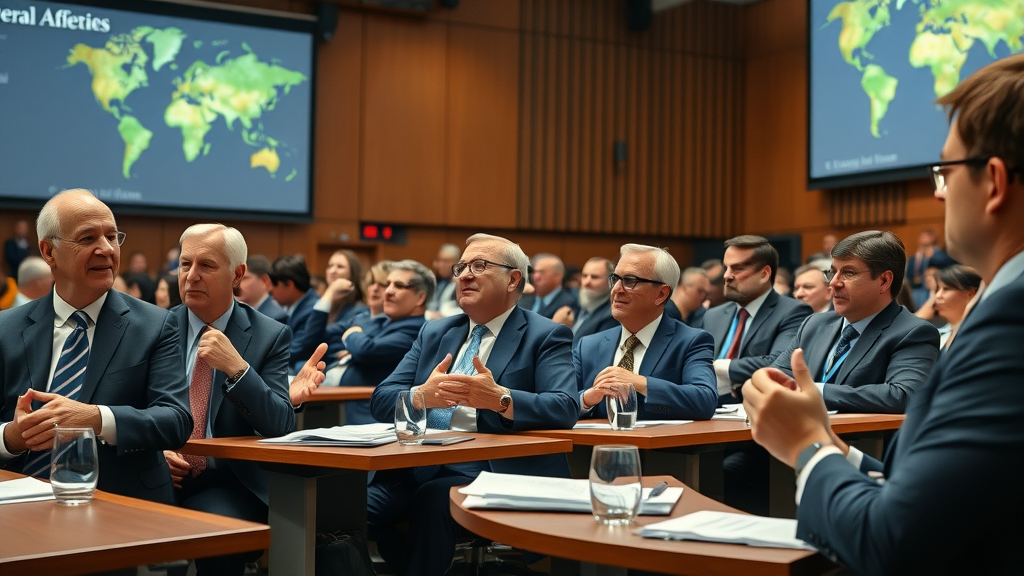
dramatic high-stakes policy panel, economists and policy makers debating mineral export duties

Essential Tips for Exporters: Avoiding Common Mineral Export Pitfalls

  • Monitor export duty rates and restrictions in real time.
  • Diversify supplier and buyer relationships to manage risk.
  • Negotiate flexible supply contracts accounting for policy volatility.
  • Join industry trade groups for alerts on regulatory updates.
  • Build strong networks with customs and compliance professionals globally.

Best Practices for Dealing with Export Restrictions on Metals and Minerals

Stay proactive by continuously monitoring the OECD inventory of export restrictions and keeping abreast of new policies on metals and minerals . Develop contingency plans in case of sudden export restricting measures, and work collaboratively with logistics partners to adjust shipments and routes as needed. Maintain clear and transparent communication with both suppliers and buyers to quickly resolve disruptions.

Invest in digital tools to track changes in duty rates and automate compliance documentation where possible. Attend international trade conferences to gain firsthand updates on evolving regulatory frameworks and participate in advocacy efforts for trade-friendly export duty policy.

How to Stay Compliant with Export Duty Laws and Policy Updates

To avoid costly penalties or export delays, stay updated on export duty laws by subscribing to industry bulletins, government notifications, and customs regulatory updates. Assign dedicated compliance officers or consultants to interpret new export taxes and ensure all shipments are documented to regulatory standards. Collaborate with local legal experts in each export market to swiftly address and adapt to shifting compliance environments.

FAQs About Mineral Export Duties and Supply Chain Impacts

  • How do mineral export duties affect global supply chains and product pricing?
  • What risks do exporters and manufacturers face with new export regimes?
  • Are there proven strategies for avoiding penalties on misreported shipments?
  • How can policy makers balance resource protection with global trade competitiveness?
  • What trends should industry watch for as export duty rates change worldwide?

Key Insights for Policy Makers, Traders, and Industry Stakeholders

  • Understanding export restriction mechanisms is fundamental for modern trade strategy.
  • Regulatory updates on industrial raw material exports are rapid and impactful—be prepared.
  • Success depends on proactive risk management and continuous supply chain monitoring.

Share Your Perspective and Influence the Conversation on Mineral Export Duties

"Have insights to share on global trade? Let's talk—call us at 203-271-7991 to explore contributing an article."

Staying Ahead: Adapting to the Evolving Landscape of Mineral Export Duties

The Future of Raw Material Export Restrictions: What to Watch

Expect further tightening of export restrictions on critical minerals as governments respond to shifting geopolitical priorities and technological demands. Staying alert to global export duty trends will be critical to remaining competitive and compliant in the years ahead. Watch for increasing digitalization of customs enforcement and more multilateral negotiations shaping new norms for industrial raw materials exports.

Why Industry Voices Are Critical in Shaping Export Duty Policy

No policy journey is complete without ground-level feedback. Industry stakeholders should engage regularly with policy makers, trade associations, and multilateral bodies to share practical impacts and propose revisions to export duty regimes. These consultations can bridge the gap between policy intent and real-world outcomes, fostering a trade environment that supports economic growth, resource security, and global competitiveness.

Take action, build resilience, and shape the global conversation on mineral export duties—your voice shapes tomorrow’s supply chains!

Understanding mineral export duties is crucial for navigating the complexities of international trade. For instance, the article “South African miners say proposed chrome export tax threatens jobs” discusses how South Africa’s proposed tax on chrome ore exports could significantly impact profitability and lead to job losses in the mining sector. ( reuters.com ) Similarly, “Gemfields asks Zambia to reverse emerald export tax” highlights the challenges faced by gemstone producers due to Zambia’s reintroduction of a 15% export tax on emeralds, which the company argues negatively affects the sector’s sustainability and attractiveness for investment. ( reuters.com ) These resources provide valuable insights into the real-world implications of export duties on the mineral industry.

Export Essentials

44 Views

0 Comments

Write A Comment

*
*
Related Posts All Posts
01.17.2026

How Digital Public Infrastructure is Revolutionizing Trade Finance for Import-Export Companies

Update The Rise of Digital Public Infrastructure in Trade FinanceIn an era where global trade is continually evolving, a significant transformation is taking place in the realm of trade finance: the emergence of Digital Public Infrastructure (DPI) as a foundational element for banks across borders. As international transactions exceed $32 trillion annually, the demand for a reliable infrastructure that enables swift and secure capital movement is paramount. DPI serves as this much-needed infrastructure, allowing banks to move capital faster with enhanced certainty and regulatory confidence while improving access for Small and Medium Enterprises (SMEs). This article explores how DPI is reshaping the industry landscape, the benefits it offers to import-export companies, and the potential challenges that lie ahead.Why DPI Matters for Import-Export CompaniesFor import-export manufacturers, the significance of DPI cannot be understated. Trade finance has been traditionally hampered by inaccurate data, intensive documentation requirements, and manual verification processes that often lead to delays and high rejection rates in trade finance applications. Statistics reveal that a staggering 74% of rejected applications are attributed to perceived credit risks or insufficient information.DPI mitigates these challenges through a shared digital foundation that promotes interoperability. By transitioning from fragmented data systems to reliable digital rails, banks can verify transactions in real time and reduce the chances of fraud. This change not only accelerates credit decisions but also facilitates greater inclusion for SMEs that previously faced barriers to accessing necessary funding.Case Studies: Countries Leading with DPI ImplementationAs of now, more than 110 jurisdictions worldwide are implementing components of DPI, with over 50 having adopted all three crucial layers: identity, payments, and data sharing. A notable example is India's Aadhaar-based e-KYC system, which has executed over 24 billion authentications. The cost of per-verification has plummeted from $23 to an astonishing $0.50, showcasing how DPI can serve as a low-cost financial infrastructure.This model can serve as a blueprint for other countries, where improving financial accessibility can significantly enhance trade operations. E-invoicing, particularly India's GST-linked framework, illustrates this trend as it transforms standard tax compliance into a dynamic financial tool that facilitates credit. This adaptation demonstrates how invoice authenticity and transaction validation create smoother pathways for businesses, enhancing their participation in global trade.Challenges and Future PredictionsDespite the promising prospects that DPI presents, several hurdles remain. The transition to digitized public infrastructure requires changes to existing regulatory frameworks and operational practices by banks and businesses alike. Additionally, issues of cybersecurity, data privacy, and platform interoperability must be addressed to ensure the integrity and smooth functioning of DPI systems.Looking ahead, the future of DPI is optimistic. Analysts predict that as more nations adopt this infrastructure, we may witness a notable decline in the barriers to entry for SMEs, resulting in a more vibrant and competitive global trade landscape. The transition toward a more integrated system can potentially reduce tariffs and enhance cooperation across borders, fostering a collaborative global market.Conclusion: The Call to Embrace Digital TransformationAs import-export companies navigate the complexities of global commerce, adopting new technologies like DPI could spell the difference between stagnation and growth. As such, stakeholders in the trade finance ecosystem—including financial institutions, policymakers, and business leaders—must prioritize dialogue and collaboration to harness the full potential of this emergent digital infrastructure.For businesses looking to stay ahead, investing in understanding and implementing DPI solutions will be crucial. This proactive approach not only facilitates compliance with evolving regulations but also opens the door to innovative financing opportunities, ensuring long-term sustainability and success in the global marketplace.

01.16.2026

What Import-Export Companies Must Know About Payment Fraud in the UK

Update Understanding the Growing Threat of Fraud in UK PaymentsThe UK is facing an alarming increase in fraud incidents, with reported cases rising by 14% in the year leading up to June 2025. This represents over four million fraudulent events, creating a significant threat to the trust so essential to the payments system. For import-export companies, this not only jeopardizes financial security but can also disrupt operational efficiency, leading to potential losses. Despite the industry's efforts to prevent £1.45 billion in unauthorized fraud in 2024, the onus is on businesses to remain vigilant and proactive in safeguarding against these fraudulent activities.The Importance of Consumer Protection and ComplianceFor businesses that rely heavily on digital payment systems, safeguarding customer funds must be a priority. Regulatory bodies, such as the Financial Conduct Authority (FCA), have heightened expectations for payment firms, illustrating a commitment to consumer protection—one that underscores the need for robust anti-fraud measures. The recent fine levied against Monzo reflects a growing trend among regulators to hold financial institutions accountable for their fraud prevention efforts. This shift not only serves to reinforce customer confidence but also encourages a culture of compliance among payment service providers (PSPs).Navigating the Balance Between Regulation and InnovationThe challenge lies in striking an indispensable balance between effective regulation and fostering innovation within the payments sector. Too much regulation can increase operational constraints, potentially stifling the innovative spirit that drives the fintech industry. Since 2019, mandatory reimbursement rules for Authorised Push Payment (APP) fraud have exacerbated these tensions, with many smaller businesses particularly feeling the strain of increased verification requirements and potential delays in processing funds.Collective Efforts to Combat FraudWhile the statistics on fraud may paint a bleak picture, the industry must not overlook the positive outcomes of collective efforts. The significant amount of unauthorized fraud prevented in recent years speaks to the capability of technology and increased collaboration within the financial sector. Companies like Cardaq are at the forefront of this movement, implementing advanced detection systems to spot suspicious activities before they escalate into significant losses.Recognizing Vulnerabilities and Expanding AwarenessIt’s imperative for businesses, particularly within the export and import fields, to understand not just the tangible impacts of fraud but also the vulnerabilities that exist amongst their customer base. Effective measures include rigorous customer education campaigns that empower consumers to identify potential threats. Furthermore, educating all stakeholders on the conditions under which payments can be safeguarded will help root out malicious actors before they inflict financial harm.Conclusion: Prioritizing Security for a Sustainable FutureThe rising tide of fraud in the UK’s payment systems highlights the need for unwavering industry commitment towards consumer protection. As the landscape evolves, maintaining regulatory adherence while encouraging technological progress will be crucial in preserving trust in payment networks. For import-export companies, navigating these challenges will require not only technological investments but also an adaptive strategy that places consumer protection at its core. Vigilance, compliance, and innovation must go hand-in-hand to ensure a fair and secure financial future.

08.29.2025

Bilateral trade agreement Secrets Every Exporter Must Know

Did you know that over 60% of global exports are now funneled through bilateral trade agreements rather than multilateral deals? This tidal shift is reshaping the competitive landscape for manufacturers worldwide. Exporters who fail to keep up with this trend could miss out on simpler compliance, reduced costs, and unprecedented opportunities to expand into lucrative new markets. This guide uncovers everything every exporter — from seasoned veterans to new entrants — must understand about bilateral trade agreements to stay ahead in today’s rapidly evolving trade arena. Unlocking Bilateral Trade Agreements: A Shocking Fact for Exporters "Did you know that over 60% of global exports are now funneled through bilateral trade agreements rather than multilateral deals? This tidal shift is reshaping the competitive landscape for manufacturers worldwide." Bilateral trade agreements have moved from a side topic in international negotiations to the mainstream engine of global trade. More exporters than ever are benefiting from reduced tariffs, streamlined customs procedures, and stronger market protections that bilateral agreements deliver — often outpacing the outcomes of multilateral frameworks like those overseen by the World Trade Organization. For manufacturers, understanding these agreements is not just useful, it’s now essential to surviving and thriving in the face of fierce global competition. By leveraging the unique advantages that a bilateral trade agreement offers, exporters can optimize their business operations, access new consumer bases, and secure a key advantage over less agile competitors. Whether you manufacture electronics, machinery, or consumer goods, bilateral agreements shape every aspect of cross-border commerce. Learning the details behind them — from legal clauses to successful case studies involving the United States, Costa Rica, and the European Union — empowers exporters to negotiate smarter contracts, minimize red tape, and reduce export costs. This article is your gateway to understanding the practical and strategic power of bilateral trade agreements in today’s complex, interconnected world. What You’ll Learn About Bilateral Trade Agreements The core mechanics of a bilateral trade agreement and how it impacts exporters The differences between bilateral and multilateral trade agreements Key clauses and legal frameworks in bilateral agreements Case studies: Bilateral trade successes between the United States and Costa Rica, and the European Union Practical strategies for leveraging bilateral trade to optimize business operations Bilateral Trade Agreement Explained: Definition & Fundamentals What is a bilateral trading agreement? "A bilateral trade agreement is a deal between two nations that defines rules to govern their trade, typically reducing tariffs and trade barriers to spur economic growth." – International Trade Bureau At its core, a bilateral trade agreement is a formal arrangement between two countries that outlines the specific rules, obligations, and benefits for exchanging goods and services across their borders. Unlike multilateral agreements—which involve multiple countries and often result in broader, slower-moving policies—a bilateral trade agreement is precise and tailored. These agreements aim to reduce or eliminate tariffs, lower import quotas, and minimize non-tariff barriers that slow down trade. As a result, businesses on both sides gain easier and more predictable access to each other’s markets. Such targeted agreements grow increasingly popular as governments recognize their potential for delivering fast, concrete economic growth while catering to specific national or sectoral interests. Bilateral agreement versus multilateral frameworks Why governments favor bilateral agreements for targeted trade benefits Comparison Table: Bilateral Trade Agreement vs Multilateral Agreement Feature Bilateral Trade Agreement Multilateral Agreement Number of Parties Two countries Three or more countries/blocs Negotiation Speed Generally faster and more efficient Often slow and complex due to many interests Scope Narrow, specific, tailored agreements Broad, covers various sectors/countries Examples US–Costa Rica, EU–Japan World Trade Organization (WTO), NAFTA/USMCA Policy Focus Market access, specific industries, targeted benefits Global standards, comprehensive frameworks Staying informed about the latest developments in export regulations and trade agreements is crucial for exporters aiming to maximize their global reach. For timely updates and actionable insights on export news that could impact your business, explore today’s essential export news updates to stay ahead of industry changes. Types of Bilateral Trade Agreements: Key Variations Exporters Must Know Bilateral trade agreements vs Free trade agreements: Core distinctions While the terms bilateral trade agreement and free trade agreement (FTA) are often used interchangeably, they encapsulate different nuances. All FTAs are forms of trade agreements, but not all bilateral agreements eliminate tariffs entirely as FTAs do. FTAs like those between the United States and Australia remove almost all tariffs and trade barriers, while a standard bilateral agreement may only focus on select sectors, allowing for partial liberalization. Understanding these subtle distinctions helps exporters interpret which products are included, how import quotas are handled, and what compliance measures come into play. Bilateral trade agreements can manifest as: Standard bilateral trade agreements Free trade agreements (FTAs) Sector-specific bilateral pacts Free trade agreements, in particular, can significantly impact countries with strong manufacturing bases by providing a competitive edge in global markets, especially when it comes to reducing trade deficits. Meanwhile, sector-specific bilateral agreements—like those covering technology or agricultural goods—can address the needs of specialized industries. Knowing the exact type of agreement in place allows exporters to tailor their business strategies, identify new growth niches, and remain compliant with both local and foreign regulations. How Bilateral Trade Agreements Impact Business Operations and Market Access Business operations under a bilateral agreement The strategic significance of bilateral trade agreements isn’t limited to government officials and negotiators—these deals have an immediate and far-reaching impact on how businesses operate daily. For exporters, business operations become more agile and responsive with lower tariffs, simplified import/export documentation, and more predictable regulatory requirements. This agility is particularly beneficial for small and medium-sized exporters keen to break into competitive foreign markets but lacking resources to navigate complex multilateral frameworks. By removing trade barriers and standardizing procedures, bilateral agreements reduce the hidden costs and uncertainty traditionally associated with international transactions. Exporters can plan production, manage supply chains, and negotiate contracts with greater confidence, knowing that trade agreements will protect their interests abroad. Furthermore, these agreements foster closer government-industry cooperation, encouraging exporters to participate in policy consultations and advocate for terms that benefit their sector. Trade agreement benefits for manufacturers The impact of a bilateral trade agreement on manufacturers is especially pronounced. By eliminating or lowering tariffs, these agreements can reduce overall production costs, enabling manufacturers to invest in research, development, and expansion into new regions. Reduced compliance burdens mean faster customs clearance and decreased risk of shipment delays, both crucial for just-in-time production and international competitiveness. Another key benefit is access to government procurement markets and advanced dispute resolution systems secured by bilateral agreements, which serves to further protect manufacturer interests. The results? Enhanced profitability, more resilient supply chains, and opportunities to expand business operations into new export markets. In today’s global trade environment, exporters who leverage bilateral trade agreements are more likely to innovate, adapt, and outperform rivals constrained by outdated trade policies. Notable Examples: United States and Costa Rica Bilateral Trade Success What is an example of a bilateral agreement? One compelling real-world illustration of a bilateral trade agreement at work is the United States–Costa Rica FTA. This agreement dismantled most trade barriers between the two nations and established clear procedures for customs, intellectual property, and technical standards. The result? Enhanced exports of electronics, medical equipment, and agricultural products, coupled with robust protections for manufacturers and exporters. Case Study: United States–Costa Rica bilateral trade agreement The bilateral free trade agreement between the United States and Costa Rica, part of the larger Central America-Dominican Republic Free Trade Agreement (CAFTA-DR), serves as an exceptional case study for exporters. Since its implementation, Costa Rica’s exports to the United States have grown substantially, particularly in sectors like medical devices and electronics. American exporters, in turn, have benefited from the elimination of import quotas and streamlined market access, making it easier and more profitable to reach Central American markets. This bilateral success story showcases how export-focused policies—negotiated in bilateral or regional frameworks—can lift entire economies. The agreement spurred job creation, lowered trade deficits, and incentivized companies on both sides of the trade corridor to develop new products and services. Its impact reverberates as a model for future bilateral negotiations, emphasizing the importance of sector-specific considerations and proactive government involvement for lasting trade success. European Union: Bilateral agreements shaping policy The European Union (EU) stands as a prime example of how bilateral trade agreements can transform economic relationships far beyond continental borders. The EU’s keen focus on negotiating sophisticated bilateral agreements with major economies like Japan, Canada, and South Korea has catapulted its member countries into new markets, creating clearer regulations for digital trade, data flows, and investment protection. With these targeted agreements, EU-based exporters gain preferential market access and avoid many of the trade barriers imposed by global rivals. In addition, the EU’s commitment to transparent standards and environmental protections in its bilateral deals underscores the role of trade policy in supporting not only economic growth, but also sustainability and international collaboration. These partnerships allow manufacturers and exporters within the European Union to pivot quickly, adapt to market shifts, and remain at the forefront of global trade innovation—a compelling case for why other countries and blocs look to the EU as a template for future bilateral negotiations. Understanding the Legal Language of Bilateral Agreements Key clauses: What exporters must watch for The legal texts of bilateral trade agreements can be daunting, but exporters who familiarize themselves with key clauses gain a vital edge. These clauses typically cover tariff reduction schedules, rules of origin, safeguards, intellectual property rights, and dispute resolution mechanisms. Pay particular attention to provisions that set standards for labeling, health and safety, and technical regulations, as these can impact your ability to enter or expand within a foreign market. It’s crucial to conduct a thorough legal review — or work with trade lawyers — to ensure your products comply with each agreement’s standards and that you capitalize on every available benefit. Some agreements may include specific stipulations for certain sectors or require additional certifications. Overlooking these details can lead to costly delays, penalties, or missed opportunities to benefit from lower tariffs. Savvy exporters regularly review changes to their industries’ trade agreements and leverage official websites and government bulletins to stay updated. Compliance and dispute resolution in trade agreements Maintaining compliance with a bilateral trade agreement is not a one-time task, but an ongoing process. Exporters must keep abreast of modifications—not just to tariff schedules, but also to rules of origin, customs documentation, and reporting standards. Compliance teams should establish internal controls and regular training to ensure that shipments consistently meet partner country requirements. Should disputes arise—whether over customs procedures, market access barriers, or tariff classifications—bilateral agreements often include robust dispute settlement mechanisms designed to provide fair and timely resolutions. Exporters benefit from mediation panels, direct consultation options, and, if necessary, binding arbitration. By understanding the legal backstops in play, companies can enter international contracts with more confidence, minimizing risk and focusing on business growth. People Also Ask: Essential Bilateral Trade Agreement Questions Answered What is a bilateral trading agreement? A bilateral trading agreement is a pact between two countries to facilitate trade by reducing barriers and establishing agreed-upon standards, commonly leading to lower tariffs and simplified customs procedures. These agreements help exporters by providing predictable trade rules, removing import quotas, and making market access smoother and more cost-effective. What is an example of a bilateral trade policy? An example of a bilateral trade policy is the U.S.–Australia Free Trade Agreement. This deal eliminates tariffs on a wide array of goods, enabling greater market access, faster customs clearance, and stronger intellectual property protections. Exporters in both countries have gained from legal clarity, lower compliance costs, and the ability to expand beyond traditional markets with minimal red tape. What is an example of a bilateral agreement? Beyond trade, bilateral agreements can cover a broad spectrum, such as investment, intellectual property, and technology transfer. For example, the Bilateral Investment Treaty (BIT) between Germany and China ensures safe, fair, and transparent conditions for investors from both countries, offering dispute resolution mechanisms and clear rules to stimulate trade and investment flows. What is the difference between bilateral and multilateral trade agreements? The core difference between a bilateral and a multilateral trade agreement is the number of participating countries. A bilateral agreement, involving just two nations, provides more precise control and generally quicker negotiations. Conversely, multilateral agreements span three or more countries (or entire blocs), offering broader but often slower-moving policy frameworks due to the complexities of aligning multiple interests. Exporters typically find bilateral agreements are better tailored to their specific needs. Practical Steps: How Exporters Can Leverage Bilateral Agreements Stay updated: Monitor new and revised bilateral trade agreement announcements Analyze tariff schedules for key export products Participate in industry consultation forums for trade deals Seek guidance from trade policy experts and business councils To make the most of every bilateral trade agreement, exporters should build a routine review of official websites and trusted gov websites into their business operations. Keeping an eye on government announcements, new trade negotiation launches, and policy revisions ensures that opportunities aren’t missed. Analyzing current tariff schedules and legal texts helps exporters forecast pricing and margin opportunities for their primary export products. Participation in industry forums, trade consultative meetings, and workshops offered by the trade representative offices provides timely updates and actionable insights, while connecting directly with business councils and trade lawyers helps clarify compliance concerns and unlock new avenues for growth. Ultimately, proactive adaptation is the hallmark of exporters who thrive in a world increasingly shaped by bilateral trade agreements and broader free trade strategies. Key Takeaways for Exporters Navigating Bilateral Trade Agreements Bilateral trade agreements can dramatically reduce export costs and simplify compliance Not all agreements are equal; details in legal texts matter Proactive adaptation to new trade policies is essential for manufacturers seeking success in global markets Conclusion: Seize the Bilateral Advantage "In today's fast-evolving trade landscape, exporters who master bilateral trade agreements open the door to new markets, streamlined operations, and a major competitive edge." Ready to share your own insights? Got Something to Say About Global Trade? RP Design Web Services can put your insights on Global Trade Notes in front of the right audience. Call 203-271-7991 today and get your word out. If you’re looking to deepen your understanding of how global trade dynamics might evolve in the near future, especially with potential shifts in U.S. policy, consider exploring the broader implications of upcoming trade negotiations. Discover what a potential second term for Trump could mean for global trade talks and how these changes may open new opportunities or challenges for exporters worldwide by visiting this in-depth analysis on future global trade talks. Gaining insight into these strategic developments can help you anticipate market trends, adapt your export strategies, and position your business for long-term success in an ever-changing international landscape. Bilateral trade agreements are pivotal in shaping global commerce by facilitating trade and investment between two nations. These agreements aim to reduce or eliminate trade barriers such as tariffs and import quotas, thereby promoting economic growth and strengthening political relationships. (investopedia.com) For instance, the Canada–United States Free Trade Agreement (CUSFTA), implemented in 1989, significantly liberalized trade between the two countries by removing most trade restrictions over a ten-year period. This agreement laid the groundwork for increased cross-border trade and economic integration. (en.wikipedia.org) Similarly, the Indonesia–Korea Comprehensive Economic Partnership Agreement, which came into effect on January 1, 2023, eliminated trade tariffs on most goods between Indonesia and South Korea. This agreement also encompasses investment, human resource development, and technology transfers, showcasing the multifaceted benefits of bilateral trade agreements. (en.wikipedia.org) Understanding the nuances of bilateral trade agreements is essential for exporters aiming to optimize their business operations and access new markets. By leveraging the advantages offered by these agreements, businesses can achieve cost reductions, streamlined compliance, and enhanced market access.

Terms of Service

Privacy Policy

Core Modal Title

Sorry, no results found

You Might Find These Articles Interesting

T
Please Check Your Email
We Will Be Following Up Shortly
*
*
*



